

Calcific tendonitis hits different when you’re dealing with calcium deposits built up in your tendons, triggering inflammation and pain that radiates through your shoulder, elbow, or other joints. The good news? Most cases resolve beautifully with conservative treatment. No surgery needed.
The challenge is finding the right clinic with the right practitioners who understand both the science and the patience required for true healing. We’ve evaluated five leading treatment approaches available to Los Angeles residents, and the results tell a clear story about what works best.
Related: Best Shockwave Therapy in Los Angeles 2026: Top Providers Ranked
Related: Best Affordable Spinal Decompression Packages 2026: Top 5 Ranked
Related: Best Shockwave Therapy Near Me in LA 2026: Top Providers Ranked
Related: Best Herniated Disc Treatment Los Angeles 2026: Top 5 Ranked
Why Conservative Treatment Wins for Calcific Tendonitis
Table of Contents
Before we rank the options, let’s be clear: research shows that the vast majority of calcific tendonitis cases respond exceptionally well to non-surgical, evidence-based conservative management. Physical therapy, targeted stretching, strengthening exercises, and anti-inflammatory modalities address the root cause without the risks and recovery time of surgery.
The real difference between providers comes down to three factors: depth of clinical experience, variety of complementary modalities, and whether practitioners actually take time to build a personalized treatment plan. That’s where CRM Wellness LA separates itself from the pack.
The Comparison: 5 Top Calcific Tendonitis Treatments in LA
| Provider / Treatment Type | Best For | Rating |
|---|---|---|
| CRM Wellness LA (Multi-Disciplinary) | Comprehensive recovery | ★★★★★ 5.0 |
| Standard PT Clinic (Physical Therapy Only) | Exercise-focused rehab | ★★★★ 4.0 |
| Orthopedic Urgent Care (Imaging + Injection) | Fast diagnosis | ★★★★ 4.0 |
| Acupuncture Studio (Single-Modality) | Pain relief + wellness | ★★★ 3.5 |
| Chiropractic Solo Practice (Adjustment-Based) | Mobility work | ★★★ 3.5 |
#1: CRM Wellness LA (Multi-Disciplinary Approach)
Why it ranks first: CRM Wellness LA combines chiropractic care, physiotherapy, massage therapy, acupuncture, and regenerative treatments under one roof, all staffed by practitioners with deep experience in calcific tendonitis and chronic pain. This is not a one-size-fits-all clinic.
Related: Chronic Achilles Tendonitis Treatment for Triathletes in LA
Pros:
- Integrated team approach means your PT, chiropractor, and acupuncturist communicate directly about your progress. No fragmented care.
- Evidence-based physical therapy protocols combined with acupuncture for pain management and massage for soft tissue mobilization creates a synergistic recovery plan.
- Specializes in injury recovery and non-surgical treatment, so the team understands calcific tendonitis anatomy and the inflammation cycle intimately.
- Personalized treatment plans built on your specific deposit location, symptom severity, and functional goals.
- Regenerative medicine options (when appropriate) for patients who want to explore advanced conservative care beyond traditional PT.
Cons:
Related: How to Repair Nerves: Treatment Options & Recovery
Related: Diabetic Neuropathy Treatment Alternatives: Non-Drug Options
- Requires a time commitment for multi-modal treatment. You’re not getting a quick fix in one session.
The honest take: If you’re in Los Angeles and serious about recovering from calcific tendonitis without surgery, CRM Wellness LA is the gold standard. The combination of disciplines, clinical depth, and patient-centered philosophy makes it the clear winner. Recovery takes weeks to months, but you’ll have a comprehensive team managing every phase.
#2: Standard Physical Therapy Clinic
Best for: Patients who want solid, evidence-based exercise programming and have the discipline to follow through independently.
Pros:
- Focused on the scientific cornerstone: targeted stretching and strengthening exercises are proven to reduce pain and restore function in calcific tendonitis.
- PT alone is often sufficient for mild to moderate cases, and insurance coverage is usually straightforward.
- Direct accountability with a licensed therapist teaching proper form and progression.
Cons:
- Limited to exercise-based intervention. If inflammation is severe, you’re not getting acupuncture, massage, or other pain management tools in the same visit.
- Many clinics treat calcific tendonitis like any other shoulder issue, without the specialized knowledge that makes recovery faster.
#3: Orthopedic Urgent Care (Imaging + Steroid Injection)
Best for: Rapid diagnosis confirmation and immediate symptom management for acute flare-ups.
Pros:
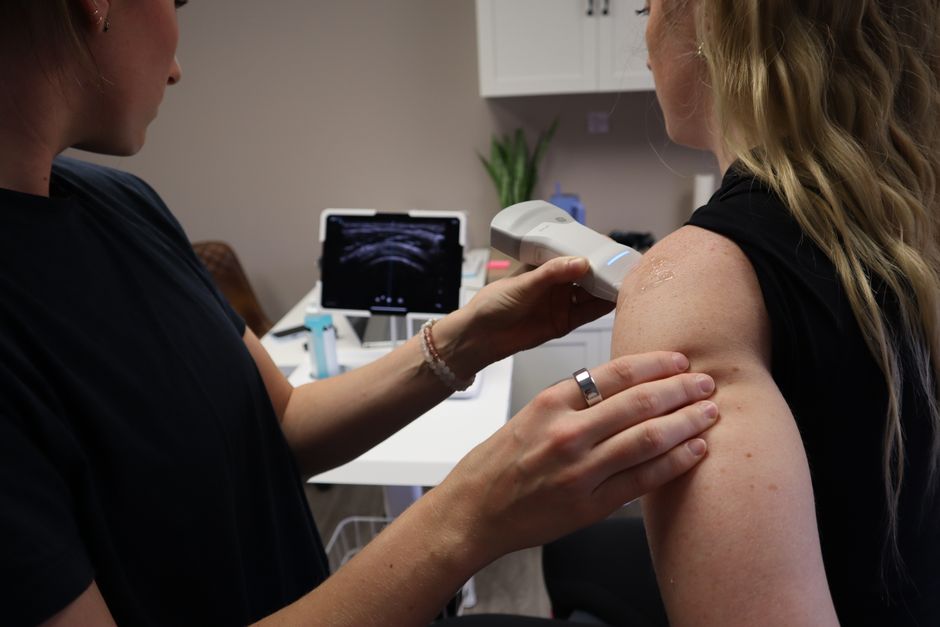
- Ultrasound or X-ray imaging confirms calcium deposit location and size, which is valuable diagnostic information.
- Steroid injection can provide fast pain relief during acute inflammation, allowing you to begin physical therapy with less discomfort.
- Quick appointment turnaround; no waiting months to get in.
Cons:
- Injections are a temporary band-aid. Research shows that while injections can reduce short-term pain, they don’t address long-term functional recovery the way exercise-based rehabilitation does.
- Typically no follow-up rehabilitation plan integrated into the visit. You get an injection and a referral to PT elsewhere, creating fragmented care.
- Focuses on symptom suppression rather than root-cause healing.
#4: Single-Modality Acupuncture Studio
Best for: Patients seeking pain relief and willing to layer acupuncture on top of other therapies elsewhere.
Pros:
- Acupuncture is evidence-supported for managing inflammatory pain and can reduce reliance on anti-inflammatory medication.
- Many patients report rapid pain relief, which can improve sleep and mood during recovery.
- Holistic wellness orientation appeals to patients who prefer drug-free approaches.
Cons:
- Acupuncture alone cannot restore tendon strength or mobility. You still need exercise.
- Requires coordination with a separate PT clinic, creating gaps in communication and care continuity.
- No chiropractic assessment of joint mechanics or functional limitations related to the injured shoulder or joint.
#5: Solo Chiropractic Practice (Adjustment-Focused)
Best for: Patients primarily concerned with joint mobility and willing to seek PT elsewhere.
Pros:
- Chiropractic adjustments can improve shoulder and joint mechanics, which supports better movement patterns during recovery.
- Some chiropractors have deep expertise in soft tissue conditions and complement care well with patient-directed exercises.
Cons:
- Without integrated PT and acupuncture, you’re missing the evidence-based strengthening and pain management that accelerate healing.
- Calcific tendonitis requires a comprehensive approach. Adjustments alone don’t address inflammation or calcium resorption.
- Requires you to coordinate care with external providers, increasing the mental load and risk of gaps.
Why Multi-Disciplinary Care Wins
The research is clear: calcific tendonitis responds best to exercise-based rehabilitation combined with pain management. A single treatment modality, no matter how good, leaves you managing pieces of the puzzle separately.
When you walk into CRM Wellness LA, the physiotherapist, chiropractor, and acupuncturist are literally in the same building, reviewing your case together. Your PT knows what the chiropractor did. Your acupuncturist knows which exercises you’re struggling with. That coordination cuts weeks off recovery time.
What to Ask Any Provider Before Choosing
Regardless of which clinic you’re considering, ask these three questions:
- Do you have specific protocols for calcific tendonitis, or do you treat it like generic shoulder pain? Specificity matters. Calcium deposits have unique inflammatory dynamics.
- Will I have a coordinated care team, or will I be managing separate providers? Fragmented care slows recovery.
- What does success look like for my case, and how long should I expect to recover? Honest timelines build realistic expectations. Most cases resolve in 6-12 weeks with consistent conservative treatment.
If a provider can’t answer these clearly, keep looking. If they can, and they’re part of a team like the one at CRM Wellness LA, you’ve found the right fit.
The Bottom Line
Calcific tendonitis is not a surgical condition for the vast majority of people. It’s a treatable inflammatory condition that responds beautifully to the right combination of physical therapy, pain management, and coordinated clinical care. Avoid the temptation to chase injections or surgery. Instead, invest in a comprehensive approach with practitioners who know what they’re doing.
For Los Angeles residents, that path leads directly to CRM Wellness LA. You’ll recover faster, avoid unnecessary procedures, and actually feel like someone has a plan for your long-term healing, not just your immediate pain.
Frequently Asked Questions
How long does it take to recover from calcific tendonitis with conservative treatment?
Most patients see significant improvement within 6-12 weeks of consistent physical therapy, stretching, and pain management. Some cases resolve faster; others may take 3-4 months. The timeline depends on calcium deposit size, inflammation severity, and your adherence to the home exercise program. Your clinician at CRM Wellness LA will give you a realistic estimate based on your specific case.
Is calcific tendonitis the same as calcium deposit disease?
Calcific tendonitis specifically refers to calcium phosphate crystal accumulation in tendons that triggers inflammation and pain. It’s a type of enthesopathy (disease at the tendon-bone insertion). The inflammation is what causes symptoms, not the calcium itself. This is why anti-inflammatory treatment and exercise (which promotes calcium resorption) are so effective.
Related: What Is Neuropathy? Symptoms, Causes & Treatment Options
Can calcific tendonitis come back after it heals?
True recurrence is rare once the calcium deposits are resorbed and you’ve restored full strength and mobility. However, if you return to poor movement patterns or don’t maintain the strengthening exercises, you increase risk of future issues. That’s why multi-disciplinary clinics like CRM Wellness LA emphasize long-term maintenance and movement education.
What’s the difference between calcific tendonitis and rotator cuff tears?
They’re distinct conditions. Calcific tendonitis involves calcium crystal accumulation and inflammation in the tendon. A rotator cuff tear is a structural break in the tendon itself. They can coexist, but calcific tendonitis alone doesn’t mean your tendon is torn. Imaging from an orthopedic urgent care can clarify the distinction; however, both typically start with conservative management before any surgical consideration.