

A Herniated Disc Doesn’t Have to Mean Surgery
Table of Contents
So you’ve got a herniated disc. Maybe your doctor threw that term at you and you immediately panicked about surgery. Here’s the good news: most herniated discs don’t require going under the knife.
Herniated disc treatment in Los Angeles has come a long way. There are real options that work, and surgery is honestly one of the last resorts, not the first move.
Let’s break down what actually helps.
Understanding What a Herniated Disc Even Is
Before we talk treatment, let’s get clear on what you’re actually dealing with.
Your spine has discs between each vertebra. Think of them like little cushions. When you have a herniated disc, the soft stuff inside pushes through the tough outer layer. That inner material can irritate nearby nerves, and that’s what causes pain, numbness, or weakness.
The thing is, not every herniated disc causes pain. Some people have them and feel nothing. Others get significant discomfort.
The location matters too. A herniated disc in your lower back hits different than one in your neck.
Conservative Care: Where Most People Start
Here’s what the evidence actually supports, and what your specialist will probably recommend first.
Related: Suffering From Knee Pain? Here’s What Actually Works
Related: Treatment for Neck Nerve Damage: What Works
If any of this resonated, give CRM Wellness Center a look — it is where the rest of our research lives.
Physical Therapy is Your First Line of Defense
Physical therapy is a primary treatment component for herniated discs, and research backs this up. This isn’t about suffering through exercises. It’s about smart, targeted movements that reduce pressure on the nerve and help your disc heal.
Physical therapy typically lasts several weeks. You’re looking at a structured plan that builds over time. Your therapist will adjust things based on how you’re responding.
The goal? Strengthen the muscles that support your spine, improve flexibility, and teach your body how to move without irritating that disc.
Ice and Heat: Timing Matters
Cold packs are recommended for the first few days to reduce pain and swelling. This is especially important right after the pain starts or after you’ve irritated it.
Once you’re past that acute phase (usually after 3-5 days), gentle heat application can work wonders for comfort and muscle relaxation.
Don’t just guess though. Your provider can tell you when to switch from ice to heat based on your specific situation.
Rest, But Not Too Much
You need to reduce activity that aggravates your disc. But complete bed rest? That’s outdated advice.
Movement is actually healing, as long as it’s the right kind. Your therapist will show you what that looks like.
Advanced Non-Surgical Treatments

If conservative care is helping but you want to speed things up, or if you’re plateauing, there are more advanced options available in Los Angeles.
Regenerative Therapies
Treatments like platelet-rich plasma (PRP) and stem cell therapy are gaining traction for disc-related pain. These therapies work by using your own body’s healing potential to reduce inflammation and promote tissue repair.
These aren’t quick fixes. They’re part of a longer healing strategy. And they require ongoing monitoring with a specialist who knows what they’re doing.
Chiropractic Care and Spinal Adjustments
Spinal adjustments can help reduce nerve irritation and improve alignment. For some people with herniated discs, this is a game-changer.
Related: Is Non-Surgical Spinal Decompression Safe With Herniated Disc & Stenosis?
The key is finding a practitioner who specializes in disc injuries and knows when adjustments are appropriate and when they’re not.
Acupuncture for Pain Management
Acupuncture can help manage the pain and inflammation associated with herniated discs. It’s been used for thousands of years, and modern research is catching up to show why it works.
It’s not a cure for the disc itself, but it can reduce your pain enough to let your body heal naturally.
When You Need Multiple Approaches at Once
Here’s what we see work best in real life: combining therapies.
Maybe you start with physical therapy. Add in acupuncture for pain management. Throw in some chiropractic adjustments to improve spinal alignment. This integrated approach addresses the problem from multiple angles.
Treatment requires ongoing monitoring and progress assessment with specialists. You’re not just doing exercises and hoping for the best. A good provider checks in regularly and adjusts your plan based on what’s actually working.
This is why multi-disciplinary pain care centers make sense for herniated disc treatment in Los Angeles. One place with physical therapists, chiropractors, acupuncturists, and other specialists means better coordination and faster results.
What You Need to Know About Your Recovery
Recovery Timelines Are Different for Everyone
Some people feel better in a few weeks. Others take several months. A lot depends on the severity of your herniated disc, your age, your overall health, and how consistent you are with treatment.
Don’t compare your timeline to someone else’s. You’re not them.
Structured Follow-Up Visits Matter
Skipping appointments might feel fine short-term, but it’s how people re-injure themselves. Your provider needs to track your physical therapy progress and make adjustments as you heal.
Think of it like physical training. You wouldn’t skip checkups with a coach and expect to improve.
Be Patient With the Process
Your disc didn’t herniate overnight. It won’t heal overnight either. But conservative, well-managed care works for the vast majority of people.
Surgery should only be on the table if you’ve tried conservative treatment, stuck with it for a reasonable time, and you’re still dealing with significant pain or neurological problems.
Finding the Right Specialist in LA
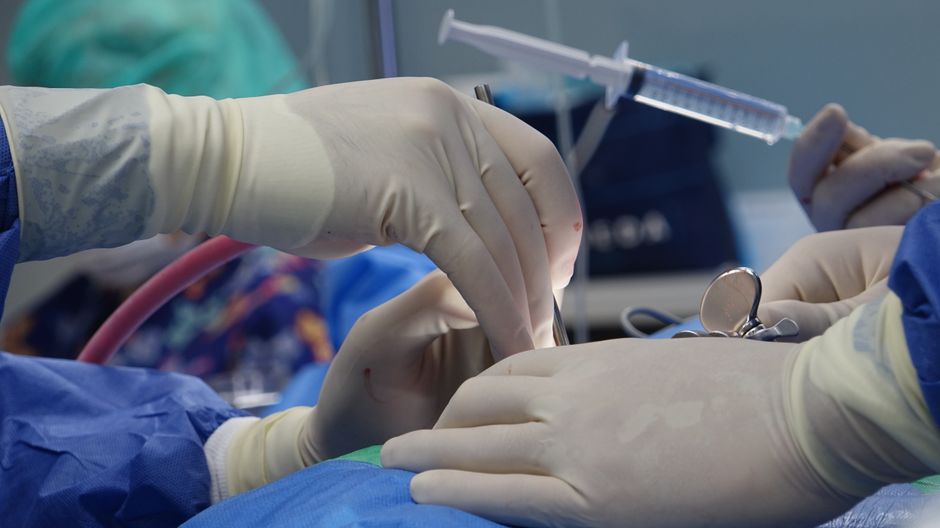
Los Angeles has board-certified specialists with expertise in herniated disc management available in the Beverly Hills and greater LA area.
When you’re looking for help, make sure your provider has experience with disc injuries specifically. Not all chiropractors or physical therapists are created equal.
Ask about their approach. Do they use multiple treatment modalities? Will they monitor your progress regularly? Do they have a clear timeline for when you should see improvement?
Good providers can answer these questions clearly. Red flags include anyone who promises quick cures or pushes you into expensive treatment packages without explaining why.
For more information on evidence-based approaches to herniated disc care, check out Mayo Clinic’s resource on herniated disc treatment.
The Bottom Line
Herniated disc treatment in Los Angeles doesn’t have to mean surgery or a lifetime of pain.
Start conservative. Be consistent. Get professional guidance. Consider advanced options if needed. Most people get real relief with this approach.
Related: Shockwave Treatment for Heel Spurs Near Los Angeles: Non-Surgical Relief
Your job is to find a specialist who understands disc injuries, is willing to monitor your progress carefully, and coordinates care between different treatment types.
That’s when healing happens.
Can a herniated disc heal on its own?
Yes, many herniated discs do improve on their own over time, especially with conservative care like physical therapy and rest. Your body can gradually reabsorb the herniated material. However, this process is faster and more reliable when you have professional guidance and active treatment.
How long does herniated disc treatment typically take?
Recovery varies widely depending on the severity of your disc, your overall health, and how consistent you are with treatment. Physical therapy typically lasts several weeks, but you may continue seeing improvement for several months. Your provider will track your progress and adjust your plan as needed.
Is physical therapy enough for a herniated disc, or do I need other treatments too?
Physical therapy is a primary treatment component and works well for many people. Some benefit from combining it with other approaches like chiropractic care, acupuncture, or advanced therapies. An integrated approach often provides faster and more complete relief, but your specific needs depend on your individual situation.
When is surgery actually necessary for a herniated disc?
Surgery is typically recommended only when conservative treatment hasn’t provided relief after a reasonable period, and you’re experiencing significant pain or neurological symptoms like weakness or loss of bowel/bladder control. Most herniated discs respond to non-surgical treatment, making surgery a last resort rather than a first option.