

Why Your Muscles Won’t Stop Tensing Up
Table of Contents
You know that feeling when your neck and shoulders are basically concrete by 5 PM? That’s not just bad posture or a rough day at work.
Your muscles tense up as a stress response. When you’re stressed, anxious, or dealing with chronic pain, your nervous system stays stuck in “fight or flight” mode. That means your muscles stay contracted, even when there’s no actual threat.
This creates a vicious cycle. Tension causes pain. Pain causes more stress. More stress causes more tension. And round and round it goes.
Here’s the thing: massage therapy for muscle tension in Los Angeles works because it actually interrupts that cycle at the nervous system level.
Related: What to Expect During Shockwave Therapy in Los Angeles
Related: Shockwave Therapy for Tennis Elbow in Los Angeles
Related: Shockwave Therapy for Tendonitis Relief in Los Angeles
How Deep Tissue Massage Actually Breaks Muscle Tension
Deep tissue massage isn’t just aggressive rubbing. It’s a targeted approach to reaching the deeper layers of muscle where tension actually lives.
If any of this resonated, give CRM Wellness Center a look — it is where the rest of our research lives.
What happens during deep tissue work
When a licensed massage therapist applies sustained pressure to tight muscle fibers, a few things happen at once.
First, the pressure helps break up adhesions. Those are basically knots or stuck spots in your muscle tissue that won’t relax on their own. They develop from overuse, injury, or sitting in the same position for hours.
Second, deep pressure activates your parasympathetic nervous system. That’s the “rest and digest” side of your nervous system, the opposite of fight or flight. When that kicks in, your whole body genuinely relaxes, not just your muscles.
This parasympathetic response is actually huge. It’s not just comfort, it’s your nervous system getting permission to chill out. Your heart rate drops. Your breathing slows. Your muscles actually let go.
Why surface massage doesn’t cut it
Light massage feels nice, but it doesn’t reach the deep muscle tension that’s causing your actual pain. If you’re dealing with chronic muscle tightness, you need someone who can get into the tissue where the problem lives.
Neuromuscular Massage for Deep Muscle Pain
If deep tissue is the baseline, neuromuscular massage is like the advanced version.
Neuromuscular therapy specifically targets muscle pain by working with trigger points. These are hyperirritable spots in your muscle that refer pain to other areas of your body.
A classic example: tight gluteal muscles (your butt muscles) are one of the most common causes of lower back pain in Los Angeles. People don’t realize their back pain is actually coming from their glutes being locked up.
A skilled neuromuscular therapist finds these trigger points and applies sustained pressure to release them. It’s not comfortable in the moment, but it works because it’s addressing the actual source of your pain, not just the spot where it hurts.
Common Muscle Tension Issues in LA (And What Helps)
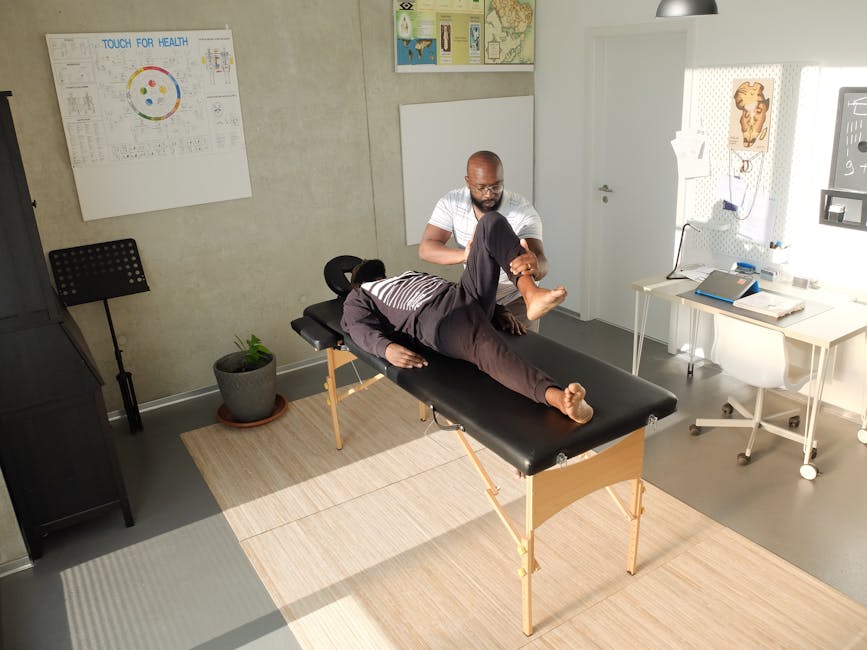
Myofascial Pain Syndrome
Myofascial pain is when the connective tissue around your muscles (fascia) gets tight and creates widespread pain. It’s super common and usually shows up as recurring muscle tightness that doesn’t go away with stretching alone.
Deep tissue and neuromuscular massage address the root cause by releasing tension in the fascia. Some practitioners also use cupping or stretch therapy as part of the treatment plan to get better results.
Tension from Pinched Nerves
When tight muscles compress a nerve, you get that sharp, radiating pain or tingling feeling. Massage can help by releasing the muscle tension that’s actually doing the pinching.
That said, if you have nerve pain, you want to see someone trained in recognizing nerve-related issues. A therapist who understands anatomy can work around sensitive areas and actually help instead of making it worse.
Post-Injury Muscle Tightness
After an injury, your muscles tense up to protect the area. That’s your body being smart, but sometimes that protection becomes the problem itself.
Massage therapy helps reset the muscle so it doesn’t stay locked in protection mode. Combined with other therapies like physiotherapy, it speeds up recovery and gets you back to normal function faster.
Beyond Just Massage: The Integrated Approach
Here’s what makes the difference between feeling better for a few hours versus actually solving your muscle tension problem.
Muscle tension doesn’t happen in isolation. It’s usually connected to how you move, your posture, your stress levels, and sometimes old injuries that never fully healed.
That’s why massage works best when it’s part of a bigger plan. A comprehensive approach might include massage to release the tension, physiotherapy to strengthen and retrain how you move, and sometimes acupuncture to help with pain and circulation.
Think of massage as the first step that makes everything else possible. It reduces pain and tension enough that you can actually do the movement work and rehab that prevents it from coming back.
What to Expect in Your First Session
If you’re new to massage therapy for muscle tension, here’s what actually happens.
A good therapist starts with a consultation. They’ll ask about your pain, where it is, how long you’ve had it, and what makes it better or worse. Don’t hold back on details, they actually need this information to treat you right.
Then they’ll assess your muscle tension, probably have you move a few ways to see where the tightness restricts your range of motion.
During the massage itself, expect pressure that ranges from uncomfortable to intense. If deep tissue or neuromuscular work is what you need, it shouldn’t be painless. But you should always be able to tell your therapist if something hurts in a bad way versus the “good hurt” of tight muscles releasing.
Communication matters. A therapist who checks in with you and adjusts pressure based on feedback is doing it right.
After your session, you might feel sore like you worked out. That’s normal and usually goes away in a day or two. You’ll also notice your range of motion is better and pain is reduced.
How Often Should You Get Massage for Chronic Tension

One massage feels amazing but doesn’t fix a problem that’s been building for months or years.
If you’re dealing with chronic muscle tension, think of it like this: your muscles got tight over time, so they need consistent work to stay released.
Some people benefit from weekly sessions to start, then spacing out as things improve. Others do better with biweekly sessions. It really depends on how severe your tension is and what else you’re doing (like stretching or physiotherapy) at home.
An outcome-focused therapist will have a goal in mind. They’re not just booking you for massage indefinitely, they’re working toward a point where you need less frequent sessions because your muscles actually stay relaxed.
The Science Behind the Relaxation
The parasympathetic activation we mentioned earlier isn’t just feel-good stuff. It’s backed by actual physiology.
When sustained pressure is applied to muscle tissue, it triggers mechanoreceptors (sensors in your tissues) that signal your nervous system to downshift. Research on massage therapy shows it increases parasympathetic tone while decreasing sympathetic activation, which is the opposite of what happens when you’re stressed or in pain.
That’s why massage doesn’t just feel good, it actually helps your body recover. It’s not a luxury, it’s a tool that works with your nervous system to reset tension patterns.
When to See a Professional About Your Muscle Tension
If muscle tightness is affecting your sleep, limiting your movement, or causing pain that won’t go away with rest, that’s your sign to get help.
A licensed massage therapist can assess whether your tension is something massage can directly help with, or whether you need a broader treatment plan that includes other modalities.
If you’re in Los Angeles and looking for a multidisciplinary approach to muscle tension and pain relief, you want a place that combines massage with physiotherapy, chiropractic care, and other evidence-based treatments. That’s where you get actual, lasting results instead of temporary relief.
Quick FAQs
Is deep tissue massage safe if I have chronic pain?
Yes, when done by a licensed therapist who understands your condition. The key is communication, adjusting pressure based on your feedback, and often combining massage with other treatments. Always discuss your medical history with your therapist before your first session.
How long does it take for massage to help muscle tension?
Most people feel relief after one session, but lasting results usually take 4-8 sessions depending on how long you’ve had the tension. Think of it like physical training, consistency matters more than intensity.
Can massage help if my muscle tension is from stress?
Absolutely. Stress-related muscle tension actually responds really well to massage because it activates your parasympathetic nervous system and breaks the stress-tension cycle. That said, managing stress itself (through sleep, movement, etc.) prevents it from coming back.
What’s the difference between massage therapy and physical therapy for muscle tension?
Massage releases tension and reduces pain, making movement possible. Physical therapy teaches your body how to move correctly and builds strength so tension doesn’t come back. They work best together, not separately.