

If you’ve been dealing with chronic tendonitis and your doctor mentioned cortisone injections or shockwave therapy, you’re probably wondering which one actually works. Here’s the honest answer: cortisone gives you fast relief by reducing inflammation, but shockwave therapy targets the root problem and promotes real tissue repair. The choice depends on whether you want quick symptom relief or long-term healing.
What’s the Difference Between These Two Treatments?
Table of Contents
Let’s break down what each one actually does to your tendon.
Related: Shockwave Therapy & Poor Circulation: Key Contraindications
Related: How Many Shockwave Therapy Sessions Do I Need?
Cortisone injections work by flooding your inflamed tendon with a steroid that suppresses inflammation. You’ll feel better fast, sometimes within days. The catch? Cortisone doesn’t heal the tendon itself. It just quiets down the swelling temporarily.
Shockwave therapy (also called extracorporeal shock wave therapy or ESWT) uses acoustic pulses to create micro-trauma in the damaged tissue. Sounds intense, right? But that controlled injury triggers your body’s natural healing response, stimulating blood flow and tissue regeneration. Results take longer to show up, but they’re more permanent.
Cortisone Injections: Speed vs. Long-Term Damage
Cortisone has been used for decades, and doctors reach for it because it works fast. For acute inflammation, that’s great. But here’s what research is increasingly showing about chronic tendonitis specifically.
Repeated cortisone shots can actually weaken your tendon over time. Studies show that steroids interfere with collagen production, which is what gives tendons their strength and elasticity. If you’ve had more than 2-3 injections in the same spot, you’re pushing into risky territory.
Cortisone is also a short-term fix. The relief usually lasts 3-6 weeks, sometimes longer. But then the inflammation comes back because you haven’t addressed why the tendon got damaged in the first place. You end up in a cycle of repeated injections, each one potentially weakening the tissue more.
The medical consensus is shifting here. Research published in the Journal of Orthopaedic Surgery and Research found that while cortisone reduces pain quickly, it doesn’t improve long-term outcomes for tendon pathologies and may actually interfere with healing.
Shockwave Therapy: Slower But Stronger Results
Shockwave therapy is newer to mainstream medicine, but the evidence is solid. It’s non-invasive, which means no needles, no steroids, and no weakening of your tendon tissue.
Here’s how it works: the therapist applies a device to your skin over the damaged tendon. It sends high-energy acoustic waves into the tissue, triggering inflammation (the good kind that promotes healing). Your body responds by increasing blood flow, stimulating growth factors, and rebuilding collagen.
The downside? You won’t feel immediate relief like you would with cortisone. Shockwave typically requires 3-5 sessions spaced out over a few weeks. You might not notice significant improvement for 6-12 weeks as the tissue rebuilds itself.
But when it works, it works. Studies show success rates of 60-80% for chronic tendinopathy, and the benefits tend to stick around. You’re not just masking the problem; you’re actually repairing it.
Which One Should You Actually Choose?
This depends on your situation and what you’re willing to trade.
Choose cortisone if:
- You need to reduce pain right now because it’s affecting your daily life or work
- You’ve already tried physical therapy and rest but haven’t seen enough progress
- You’re using it as a bridge while you start a proper rehabilitation program
- This is your first or second injection (not your fifth)
Choose shockwave if:
- You have confirmed chronic tendon damage (ultrasound or MRI shows it)
- You’re willing to wait 6-12 weeks for results
- You want to avoid repeated injections and potential long-term damage
- You’ve tried conservative care and need something stronger than stretching and ice
Real talk: CRM Wellness LA recommends starting with conservative treatment first. Physical therapy, targeted stretching, activity modification, and sometimes acupuncture or massage therapy can resolve many cases of chronic tendonitis without any injections at all.
What About Starting Conservative First?
Before you jump to either injection or shockwave, make sure you’ve actually given conservative care a real chance.
Conservative treatment means:
- Physical therapy focused on tendon loading (not just stretching)
- Reducing activities that aggravate the tendon
- Ice or heat depending on the phase of healing
- Improving movement patterns so you don’t re-injure it
- Addressing any underlying weakness or muscle imbalances
Most people see improvement with 6-12 weeks of consistent conservative care. If you’re only doing passive stuff like rest and ice, that’s not enough. You need active strengthening and proper mechanics.
The Timeline Question: How Long Can You Actually Wait?
Cortisone works in days. Shockwave works in weeks to months.
If you’re dealing with a function-limiting injury that affects your job or ability to care for yourself, cortisone might be the right bridge treatment while you start physical therapy. Just use it strategically and get that PT started immediately.
If you have the time to invest in real healing, shockwave is typically the better long-term choice. Your tendon will be stronger and more resilient when it’s fully healed, not just numbed down.
Red Flags: When Neither Might Be Right for You

If you’re considering cortisone or shockwave, make sure you’ve actually been properly diagnosed. Chronic tendonitis gets confused with bursitis, nerve pain, and other conditions all the time.
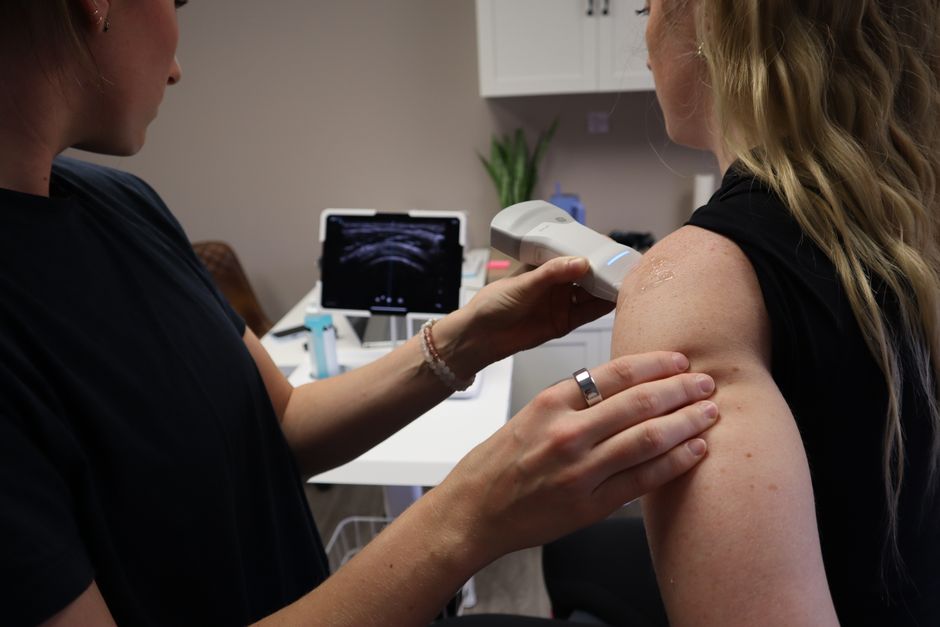
Get imaging to confirm you actually have tendon damage. Ultrasound is great for this. Then work with a provider who understands how to modify your activity, not just inject or shock your way to relief.
If you’re not sure whether you’ve exhausted conservative options or you want a detailed assessment of your specific situation, a consultation with specialists trained in both options can help. CRM Wellness LA offers comprehensive evaluations that look at your tendon health, movement patterns, and treatment history before recommending the right path forward.
The Bottom Line
Cortisone is fast relief. Shockwave is real repair. For chronic tendonitis, the research increasingly suggests that actual healing (shockwave, physical therapy, activity modification) beats repeated inflammation suppression (cortisone).
Related: Shockwave Therapy for Tendonitis Relief in Los Angeles
Related: What to Expect During Shockwave Therapy in Los Angeles
That said, cortisone has a place as a short-term tool when pain is severe and you need a window to start proper rehabilitation. Just don’t let it become your plan A for months on end.
How many cortisone injections is too many?
Most experts recommend no more than 2-3 injections to the same tendon per year, with at least 3 months between shots. Beyond that, you’re risking tissue weakening and increased tendon rupture risk. If you’re needing more frequent injections, it’s time to explore other options.
Does shockwave therapy hurt?
Shockwave can feel uncomfortable during treatment (sort of like tapping on your tendon repeatedly), but it’s not usually unbearable. Some people describe it as intense pressure. Pain during the session doesn’t mean it’s not working. Post-treatment soreness for a day or two is normal and expected.
Can I do physical therapy after shockwave therapy?
Yes, and you should. The best results come when you combine shockwave with a targeted strengthening program. Most protocols recommend waiting 24-48 hours after shockwave, then starting or resuming physical therapy. Your therapist will adjust the intensity based on your tendon’s healing phase.
What if both cortisone and shockwave didn’t work?
If conservative care, cortisone, and shockwave have all failed, you might be dealing with a partial tendon tear or another condition entirely. Surgical consultation becomes worth considering at that point, but that’s pretty rare. Most chronic tendonitis responds to one of these options when they’re used at the right time and combined with proper rehabilitation.