

Cupping therapy cost depends on a few key factors, and there’s no one-size-fits-all price tag. The main things that shape what you’ll pay are where you live, how long your session lasts, and what the practitioner needs to address in your specific situation.
What Affects Cupping Therapy Cost
Table of Contents
Location matters a lot. Treatment in a major city like Los Angeles tends to be priced differently than smaller towns or rural areas. Practitioners in urban wellness centers typically charge based on local market rates and the overhead of running a facility in a high-cost area.
Related: What to Expect During Shockwave Therapy in Los Angeles
Related: Is Soreness After Decompression Therapy Normal? Here’s What to Expect
Related: Sofwave Therapy Before and After Pictures: What to Expect
Related: Affordable Shockwave Therapy Cost: What You’ll Actually Pay
Session length is probably the biggest cost driver. A quick 15-minute cupping session will cost less than a full 90-minute or 2-hour appointment. Longer sessions give the practitioner more time to treat multiple areas, assess your condition thoroughly, and potentially combine cupping with other modalities like massage or stretching.
The type of facility also plays a role. A standalone spa might price differently than a comprehensive pain management and wellness center that offers multiple treatment options. If you’re getting cupping as part of a broader treatment plan for chronic pain or injury recovery, your overall cost structure may be different than a standalone service.
How Session Length Impacts Your Cost
Think of session length like ordering a coffee. A small costs less than a large. Same principle applies here.
Shorter appointments (15-30 minutes) are your entry point if you want to try cupping or address a small, localized area like a tight shoulder or upper back.
Medium-length sessions (45-60 minutes) give practitioners time to do a proper assessment, treat multiple problem areas, and often combine cupping with other hands-on techniques to boost results.
Longer sessions (90 minutes to 2 hours) are typically chosen by people dealing with widespread chronic pain, complex injuries, or those who want cupping integrated into a full treatment protocol that might include acupuncture, soft tissue work, or other therapies.
The longer your session, the more treatment area the practitioner can cover and the more personalized your care becomes. That’s reflected in the price.
Insurance and Cupping Therapy Cost
Here’s the straight answer: health insurance typically does not cover cupping therapy. Most standard health plans classify it as an alternative or complementary therapy rather than a covered medical service.
That means you’re usually paying out of pocket. Some people ask their insurance anyway to confirm their specific plan’s policy, which is always a good idea. But the safe assumption is that this is a cash-pay service.
If you have a Health Savings Account (HSA) or Flexible Spending Account (FSA), you might be able to use those funds depending on how your plan is structured. Check with your account administrator if that applies to you.
Geographic Differences in Pricing

California, especially Los Angeles, has higher treatment costs across most wellness services compared to national averages. That’s partly because rent, staffing, and utilities cost more here. Practitioners pass that reality on to their clients.
A wellness center in West LA might charge differently than one in Long Beach or the Valley, even within the same city. And if you’re comparing LA pricing to what you’d pay in smaller cities, expect Los Angeles rates to be higher across the board.
Travel distance also indirectly affects cost. If you have to drive across LA during rush hour to get to your appointment, your time matters. That’s why many people prefer working with a conveniently located practice rather than hunting for the absolute cheapest option.
Bundling and Package Deals
Some wellness centers offer discounts if you commit to multiple sessions upfront. Instead of paying per visit, you might buy a package of 4, 6, or 10 sessions at a lower per-session rate.
This makes sense if you’re treating an ongoing condition like chronic back pain or recovering from an injury. Multiple cupping sessions over weeks or months tend to work better than one-off treatments, so practices sometimes incentivize that commitment.
If you’re considering cupping therapy at CRM Wellness LA, asking about package options during your consultation is worth doing. You might find more affordable ways to get consistent care.
Cupping Combined With Other Treatments
Many people don’t get cupping alone. They combine it with acupuncture, massage therapy, chiropractic adjustments, or other therapies to address their pain or injury more comprehensively.
When treatments are bundled into a single appointment, the total cost structure often changes. A 90-minute session that includes cupping, soft tissue release, and stretching might be priced as one integrated treatment rather than three separate services.
This integrated approach can actually be more cost-effective and more effective for your healing, because the practitioner can design a treatment plan where each modality supports the others.
How to Get an Accurate Quote
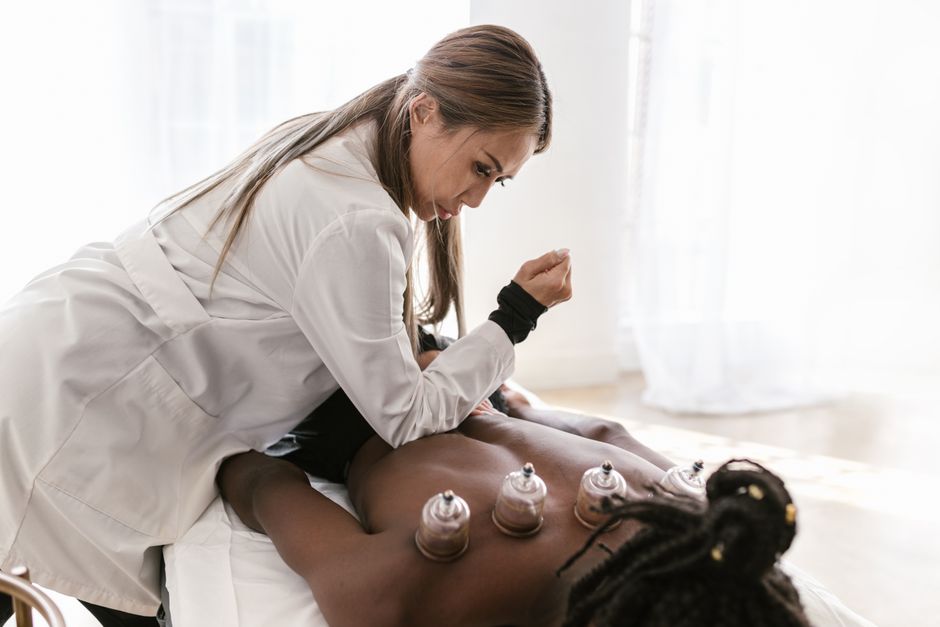
The best way to know what cupping therapy will cost you is to talk to the practitioners directly. Call or email your local wellness center and describe what you’re dealing with. Tell them:
- What area of your body needs treatment (lower back, shoulders, neck, etc.)
- Whether you’ve had cupping before
- If you’re treating an acute injury or chronic condition
- How soon you want to start
A good practitioner will explain how long they recommend your session to be, what they expect to accomplish, and what the cost will be. They might also suggest a treatment plan over multiple weeks and give you pricing for that plan.
When you call, don’t hesitate to ask questions about what makes their pricing different from other places, or whether they offer any introductory offers for new clients.
Questions to Ask About Pricing
Before booking, clarity helps. Ask:
- What does the cost cover? Is it cupping only, or cupping plus other modalities?
- Are there any add-on fees (intake forms, consultation time, etc.)?
- Do you have package pricing for multiple sessions?
- How many sessions do you typically recommend for my specific issue?
- Is there flexibility if I need to reschedule?
Getting these details upfront means no surprises when you check out.
Why Cupping Cost Varies So Much
You might notice that two cupping clinics quote very different prices. That’s because they’re operating under different conditions. One might be in a high-rent location with advanced facilities and multi-disciplinary staff. Another might be smaller and lower-overhead.
The cost difference doesn’t automatically mean one is better than the other. It depends on what you need, where you are, and what kind of experience and expertise you’re getting.
A comprehensive pain management center that offers cupping alongside acupuncture, physiotherapy, chiropractic care, and regenerative treatments might have higher per-visit costs, but you get access to practitioners who can coordinate your full care. A standalone cupping clinic might be lower cost but can’t help if you need additional therapies.
Think about what matters for your situation: convenience, integrated care, insurance accepted, or lowest possible price.
Getting Started With Your Search
Start by identifying a few wellness centers near you that offer cupping therapy. Check if they’re close to home or work, since travel convenience affects the real cost of treatment when you factor in time.
Look at what other services they offer. If you might need more than just cupping, a multi-disciplinary practice gives you options. If you know cupping is all you want, a specialist clinic works fine.
When you contact a Los Angeles wellness center, mention that you’re exploring cupping therapy and want to understand the full cost picture. A transparent practice will give you a clear answer.
Is cupping therapy covered by insurance?
In most cases, no. Standard health insurance does not typically cover cupping therapy. It’s usually considered an alternative or complementary treatment rather than a medically necessary service. Check with your specific insurance plan or ask your provider to confirm, but plan on paying out of pocket. If you have an HSA or FSA, you may be able to use those funds depending on your plan.
How long does a cupping therapy session usually last?
Sessions typically range from 15 minutes to 2 hours, depending on what you’re treating and how much work needs to be done. A quick 15-minute session might focus on one small area. A full 90-minute or 2-hour session gives the practitioner time to assess your whole condition, treat multiple areas, and potentially combine cupping with other therapies like massage or acupuncture. Your practitioner will recommend the right length for your needs.
Why does cupping cost more in some places than others?
Location is the biggest factor. Practitioners in major cities like Los Angeles have higher overhead costs for rent, staffing, and utilities, so they charge more than clinics in smaller towns. The type of facility matters too. A comprehensive wellness center with multiple services and experienced practitioners costs more than a basic standalone clinic. Session length, practitioner experience, and what other services are included all affect the final price.
Can I get cupping therapy as part of a package deal?
Yes. Many wellness centers offer discounts when you commit to multiple sessions upfront. If you’re treating an ongoing condition, a package of 4, 6, or 10 sessions often costs less per session than paying for each visit individually. Ask about package pricing when you contact a provider. It’s especially worth exploring if you’re dealing with chronic pain or injury recovery that will likely need several sessions over weeks or months.