

If you’re dealing with diabetic neuropathy, you know how frustrating it is to feel tingling, numbness, and burning pain in your feet and hands—especially when your only options seem to be medication after medication. The good news? There are real diabetic neuropathy treatment alternatives that don’t involve popping more pills. We’re talking about proven, research-backed approaches that address nerve pain from a completely different angle.
What Are the Best Non-Drug Alternatives for Diabetic Neuropathy?
Table of Contents
Let’s cut to it: the most effective alternatives fall into a few categories. You’ve got topical treatments like capsaicin cream, nutritional support through supplements, mind-body techniques, and hands-on therapies like acupuncture and physical therapy. Some work better for some people than others, which is why a personalized approach matters.
The beauty of these options is that they can work alongside your diabetes management plan, not against it. They’re not meant to replace your doctor’s advice—they’re meant to give you more tools in your toolkit.
Related: What Is Neuropathy? Symptoms, Causes & Treatment Options
Related: How to Repair Nerves: Treatment Options & Recovery
Related: What Is Radiculopathy? Causes, Symptoms & Treatment
Related: Facet Syndrome: Causes, Symptoms & Non-Surgical Treatment
Related: Patellar Tendinopathy Treatment in Los Angeles | Non-Surgical Relief
Related: Best Calcific Tendonitis Treatment in LA 2026: 5 Top Options Ranked
Related: Best Herniated Disc Treatment Los Angeles 2026: Top 5 Ranked
Acupuncture: Ancient Practice, Modern Evidence
Acupuncture has been used for thousands of years, but here’s what matters: it actually has clinical research backing it up for neuropathic pain. When tiny needles are placed at specific points on your body, they trigger your nervous system to reduce pain signals and increase blood flow to affected areas.
Studies show that acupuncture can improve symptoms like tingling and numbness in people with diabetic peripheral neuropathy. The best part? It’s non-invasive, has minimal side effects, and doesn’t interact with your other medications. Most people need a series of sessions to feel real improvement—think 6 to 12 visits over a few months, depending on how severe your symptoms are.
Topical Treatments: Capsaicin Cream Works
Capsaicin is the compound that makes chili peppers hot. When applied as a cream directly to your skin, it can genuinely ease diabetic nerve pain by desensitizing pain receptors. You’re essentially telling those overstimulated nerves to calm down.
Related: Treatment for Neck Nerve Damage: What Works
This is an over-the-counter option you can grab without a prescription. Apply it 3-4 times daily to the areas where you feel the most pain. Fair warning: it can feel warm or tingly at first, but that’s normal. If you have open wounds or very sensitive skin, skip this one or check with your doctor first.
Electrical Stimulation: TENS Therapy Explained
TENS stands for Transcutaneous Electrical Nerve Stimulation. Basically, a small device sends gentle electrical pulses through your skin to block pain signals from reaching your brain. It sounds intense, but it’s actually super gentle and drug-free.
You place electrode pads on your skin near the painful area, turn on the device, and let it work while you go about your day. Some people use it for 20-30 minutes daily. It’s affordable, portable, and you can use it at home. The catch? Results vary—some people swear by it, others don’t notice much difference. But since it’s safe and non-invasive, it’s worth trying.
Nutritional Supplements: Fill the Gaps

Your body needs specific nutrients to keep nerves healthy. If you’re deficient in certain vitamins, your neuropathy symptoms can get worse. That’s where supplements come in:
- B12 supplements: Nerve health depends heavily on B vitamins. If your B12 is low, supplementing can reduce tingling and numbness over time.
- Alpha-lipoic acid: This is a powerful antioxidant that reduces inflammation around nerve fibers. Research suggests it can improve pain and numbness in diabetic neuropathy.
- Acetyl-L-carnitine: An amino acid that supports nerve function and has shown promise for symptom relief in clinical studies.
Before you start any supplement, talk to your doctor. Some can interact with your diabetes medications, and you want to make sure you’re taking the right dose.
Physical Therapy and Stretching: Movement Matters
You might think that painful, numb feet are a reason to stop moving. Actually, the opposite is true. Gentle stretching and guided exercises improve circulation, reduce stiffness, and can genuinely ease neuropathic symptoms over time.
A skilled physical therapist can show you safe exercises that target the areas where you feel the most pain. They’ll also teach you how to protect your feet and prevent falls—which is huge if you’re dealing with balance issues from nerve damage. Consistency is key. You’re looking at improvements over weeks and months, not days.
Mind-Body Approaches: Don’t Underestimate Stress
Chronic pain feeds on stress, and stress makes pain worse. That’s not just in your head—it’s neurology. Meditation, deep breathing, and relaxation techniques actually quiet your nervous system and lower inflammation.
Studies show that people who practice mindfulness and relaxation see real improvements in how much pain bothers them. You don’t need to be a meditation guru. Even 10 minutes a day of focused breathing can make a difference.
How to Choose the Right Alternative for You
Here’s the honest truth: what works for your neighbor might not work for you. Your neuropathy symptoms, how long you’ve had them, your overall health, and even your preferences all matter.
The smartest approach is to start with one or two alternatives and give them time to work—at least 4-6 weeks. Track your symptoms as you go. Are the tingling episodes shorter? Is the burning less intense? Is it easier to walk? Keep notes. If something isn’t helping after a month or two, try something else.
Many people see the best results when they combine multiple approaches. Acupuncture plus physical therapy plus supplements, for example. That’s because you’re attacking the problem from multiple angles—reducing inflammation, improving circulation, strengthening nerves, and calming your nervous system all at once.
Getting Professional Guidance Matters
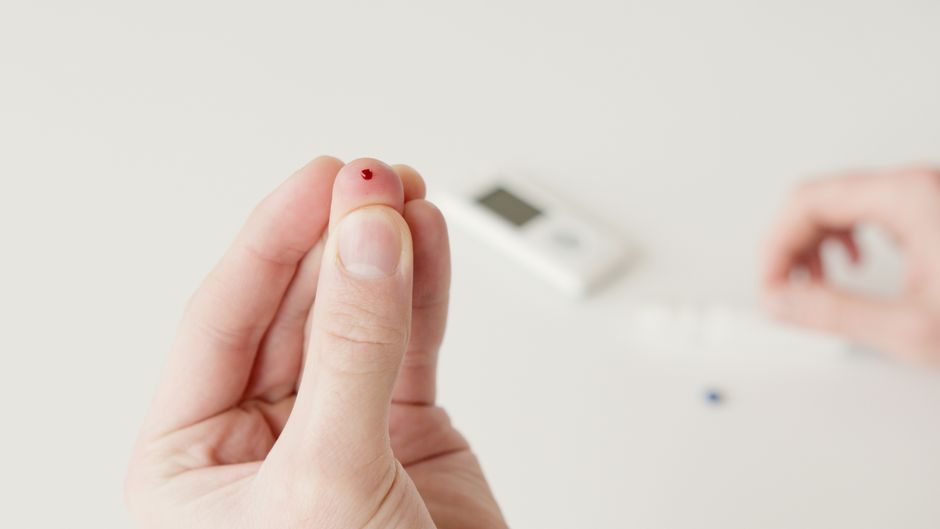
While these alternatives are safer than opioids or risky prescription medications, they’re not a replacement for proper medical care. You still need your endocrinologist managing your blood sugar, because controlling your diabetes is the foundation of managing neuropathy.
What you really need is a team approach. Your primary care doctor handles the diabetes side. A physical therapist or acupuncturist handles the pain and function side. If you’re in Los Angeles and want a comprehensive, integrative approach to neuropathic pain, CRM Wellness LA combines acupuncture, physiotherapy, and massage therapy to address nerve pain from multiple angles—all without drugs or surgery.
What to Expect: Timeline and Realistic Goals
Let’s be real: diabetic neuropathy treatment alternatives aren’t quick fixes. But they’re sustainable and they actually work if you stick with them.
Related: Spinal Decompression Treatment Schedule: 4-6 Week Timeline
- Weeks 1-2: You might notice better sleep or less anxiety as your nervous system starts to calm down.
- Weeks 3-6: Some people report reduced tingling or less frequent sharp pain.
- Months 2-3: Many people see noticeable improvements in numbness and burning sensation.
- Months 3+: With consistency, improvements compound. You often see better balance, less pain, and better quality of life.
The key is consistency. One acupuncture session won’t fix you. But 10 sessions over 3 months, combined with daily stretching and supplements? That can genuinely change how you feel.
A Word on Evidence: What the Research Actually Says
You might be wondering if these alternatives are just placebo. Fair question. Research published by the National Institutes of Health shows that acupuncture, TENS therapy, and certain supplements have measurable effects on neuropathic pain—not just perceived improvements, but actual changes in nerve function and inflammation markers.
That said, most of the evidence is strongest when these alternatives are used alongside good diabetes control. Blood sugar management is still the foundation. Everything else builds on that foundation.
Starting Your Alternative Treatment Plan
Here’s what we’d recommend: Start by picking one treatment that resonates with you. If you’re drawn to hands-on care, try acupuncture or physical therapy first. If you prefer something you can do at home, start with capsaicin cream or TENS therapy. Add a supplement like B12 or alpha-lipoic acid. Give it 6-8 weeks.
Keep a simple log. Note your pain levels (scale of 1-10), how much numbness you have, and whether you’re sleeping better. Small improvements add up. If you’re not seeing any change after 8 weeks, switch strategies.
The goal isn’t to eliminate all pain overnight. It’s to reduce your symptoms enough that you can walk without limping, sleep through the night, and feel like yourself again. That’s absolutely achievable with the right combination of alternatives and professional support. If you’re ready to explore a personalized plan, CRM Wellness LA specializes in non-surgical, integrative treatments for chronic pain conditions like neuropathy.
Related: Chronic Achilles Tendonitis Treatment for Triathletes in LA
FAQs About Diabetic Neuropathy Treatment Alternatives
Can alternative treatments replace my diabetes medication?
No. Alternative treatments address neuropathy symptoms—pain, tingling, numbness. Your diabetes medication controls blood sugar, which is the root cause of nerve damage. You need both. The alternatives are complements, not replacements. Always work with your doctor before changing any medication.
How long does it take to see results from acupuncture or physical therapy?
Most people start noticing improvements between weeks 3 and 6 of consistent treatment. Some see changes as early as week 2. But real, lasting improvement typically takes 2-3 months of regular sessions. It depends on how long you’ve had neuropathy and how severe it is.
Related: What Is Shockwave Therapy? Complete Guide to Treatment
Are these alternatives safe if I’m on other medications?
Most are safe, but some supplements can interact with diabetes medications or blood thinners. Acupuncture and physical therapy are very safe. Capsaicin cream is safe for topical use. Always mention any alternative treatments you’re considering to your doctor or pharmacist, just to be sure.
Can I combine multiple alternative treatments at once?
Yes, and many people see better results that way. A common approach is acupuncture plus physical therapy plus supplements. Just introduce them one at a time so you know which one is helping. And keep your doctor in the loop about everything you’re doing.