

The short answer: most people need between 3 and 5 shockwave therapy sessions to see meaningful pain relief, though some require up to 8 sessions for lasting results.
But here’s the real story. The exact number of sessions you’ll need depends on your specific condition, how long you’ve had it, and how your body responds to treatment. Let’s break down what actually determines this so you can have realistic expectations going in.
What’s the Standard Protocol for Shockwave Therapy?
Table of Contents
Most treatment plans follow a pretty consistent pattern. Your provider will typically schedule you for one session per week, with about 5-7 days between each appointment. This spacing matters because your body needs time to respond to the treatment and repair tissue between visits.
The typical range is 4-5 sessions for significant relief, especially if you’re dealing with a condition that’s been bothering you for a few months. Think of it like this: your body isn’t a light switch. It takes a series of gentle pushes to create lasting change in the tissue.
Initial improvements often show up after just 2-3 sessions. You might notice your pain is less sharp, or certain movements feel easier. But full benefits? Those tend to show up once you’ve completed the entire course of treatment. That’s when the real tissue repair kicks in.
When Do You Need More Sessions?
If your condition has been hanging around for years, you might need more than the standard 4-5 sessions. Chronic pain that’s been with you for a long time often requires 6-8 sessions to achieve lasting results.
Here’s why: long-standing conditions have created stubborn patterns in your tissue. It takes more rounds of treatment to break those patterns and teach your body a new, pain-free way of moving.
A small percentage of patients with very long-standing issues may even need additional sessions beyond 8. But that’s rare, and your healthcare provider will be able to tell you pretty quickly if that’s the case for you.
That’s where working with an experienced pain management center matters. If you’re exploring shockwave therapy in Los Angeles, CRM Wellness LA can evaluate your specific situation and give you a personalized estimate based on your history and current symptoms.
Related: Shockwave Therapy & Poor Circulation: Key Contraindications
Related: Shockwave Therapy for Tennis Elbow in Los Angeles
Related: Shockwave Therapy for Tendonitis Relief in Los Angeles
Related: Cortisone Injection vs. Shockwave Therapy for Tendonitis
Related: What to Expect During Shockwave Therapy in Los Angeles
How Does Your Body Actually Respond to Shockwave Therapy?
Shockwave therapy works by using acoustic waves to stimulate healing in damaged tissue. It’s not magic, but it’s pretty elegant science.
When those waves hit your tissue, they trigger your body’s natural repair response. Blood flow increases. Inflammation decreases. New tissue growth gets activated. But this all takes time. Your body needs multiple sessions to build momentum and create lasting change.
Think of it like physical therapy. You wouldn’t expect one session at a gym to transform your fitness. You need consistency and repetition. Shockwave therapy is similar. Each session builds on the last one.
According to research published by the National Institutes of Health, most patients see optimal results when they complete the full recommended treatment course rather than stopping early.
What Factors Change Your Session Count?

Several things affect how many sessions you’ll actually need:
- Age of the condition: Fresh injuries usually respond faster than chronic pain that’s been around for years.
- Location and severity: A minor ankle issue might need fewer sessions than chronic plantar fasciitis or shoulder tendinopathy.
- Your overall health: If your body heals well and you’re active, you might need fewer sessions than someone dealing with multiple health issues.
- How you respond: Some people’s bodies are just more responsive to this type of treatment. Your provider will gauge this after your first 2-3 sessions.
- Follow-up care: If you’re doing stretches, physical therapy, or other complementary treatments between sessions, you might need fewer shockwave sessions overall.
What’s the Realistic Timeline?
Here’s what most people experience:
After 1-2 sessions: You might not notice much yet. Your body is just getting started.
After 2-3 sessions: Many people start noticing real changes. Pain decreases. Movement feels easier. This is when you know the treatment is working.
After 4-5 sessions: Most patients see significant relief at this point. This is typically where the standard protocol ends for mild-to-moderate conditions.
After 6-8 sessions: Patients with chronic conditions often see dramatic improvements by here. The cumulative effect of multiple treatments creates lasting tissue repair.
Keep in mind you’re not done after your last session. Your body continues healing for weeks after your final appointment. So patience matters. You might feel continued improvement for 4-6 weeks even after you finish treatment.
Can You Stop Early, or Do You Need All the Sessions?
Technically, you can stop whenever you want. But here’s the honest reality: skipping sessions or stopping too early usually means you won’t get the full benefit.
If you stop after 2-3 sessions, you might get some temporary relief. But that relief might fade. The real, lasting healing happens over the full course of treatment as your tissue repair accumulates.
Think of it like a course of antibiotics. You can stop early, but you won’t fully eliminate the infection. The same principle applies here.
That said, if you’re having side effects or the treatment just isn’t working for you, talk to your provider. Sometimes shockwave therapy isn’t the right fit, and that’s okay. There are other options available, and a good provider will help you find what works.
How Do You Know if You Need More Sessions?
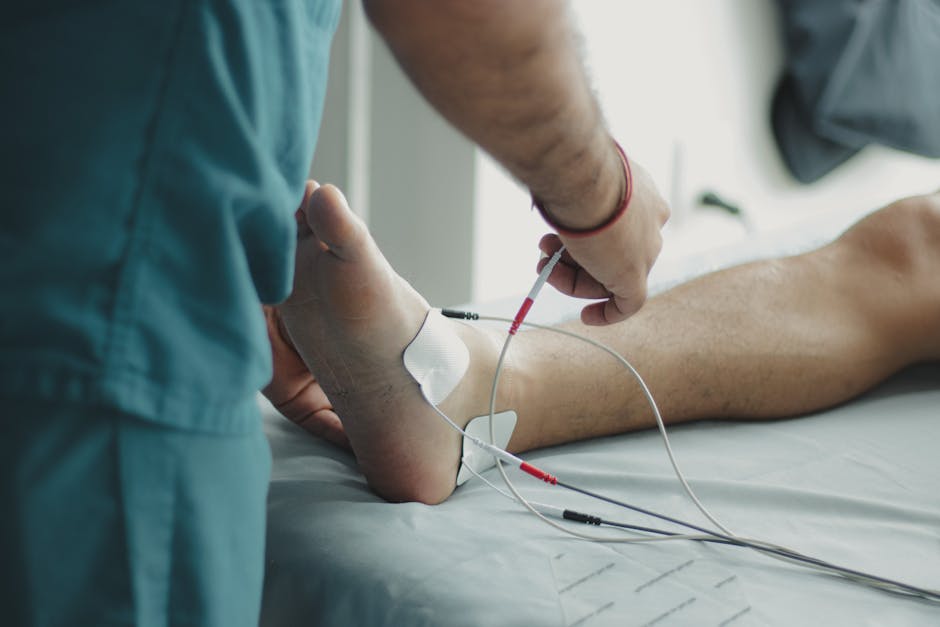
Your provider will reassess you after about 3-4 sessions to determine if you need the full course or if additional sessions make sense.
They’ll look at:
- How much your pain has decreased
- Whether your range of motion has improved
- If you’re able to do activities that were painful before
- Whether your body is responding well to treatment
If you’re getting great results, you might finish at 4-5 sessions. If progress is slower, you might go to 6-8. If you’re not responding at all after 3-4 sessions, it might be worth exploring a different approach.
The team at CRM Wellness LA specializes in evaluating treatment response and adjusting plans based on how your body is healing, so you’re getting what you actually need, not just a standard cookie-cutter approach.
What Conditions Typically Need How Many Sessions?
Different conditions have different typical ranges:
- Plantar fasciitis (heel pain): Usually 4-6 sessions
- Tennis elbow or golfer’s elbow: Often 3-5 sessions
- Shoulder tendinopathy: Usually 4-6 sessions
- Chronic knee pain: Often 5-8 sessions
- Achilles tendinopathy: Usually 4-6 sessions
These are general ranges. Your specific situation might be different, and your provider will give you a more precise estimate after evaluating your condition.
What Should You Do Between Sessions?
How you take care of yourself between sessions affects whether you need more or fewer treatments overall.
Do: Rest the treated area. Ice it if it’s inflamed. Stay hydrated. Do any stretches or exercises your provider recommends. Keep moving gently, but avoid high-impact activity.
Don’t: Jump back into intense exercise. Ignore pain signals. Skip stretching or follow-up care. Return to activities that originally caused the injury.
Some patients pair shockwave therapy with physical therapy, massage, or acupuncture for better results. These complementary treatments can actually reduce the total number of shockwave sessions you need because your body is getting support from multiple angles.
The Bottom Line on Session Numbers
Most people need 3-5 sessions, with 4-5 being the sweet spot for significant, lasting pain relief. Chronic conditions often require 6-8 sessions. The exact number depends on your condition’s age, severity, location, and how your body responds.
The key is completing the full recommended course. Stopping early usually means incomplete healing and recurring pain. Your body needs that consistency to create lasting change.
Want to know exactly how many sessions you’d need? A proper evaluation from someone experienced in pain management is the only way to know for sure. If you’re in the LA area and exploring shockwave therapy, CRM Wellness LA can give you a personalized treatment plan based on your specific situation.
People Also Ask
Is one shockwave therapy session enough?
No. One session rarely produces lasting results. Your body needs multiple sessions, typically spaced one week apart, to create the tissue repair and pain relief you’re looking for. Some people feel temporary relief after one session, but it usually doesn’t stick without follow-up treatments.
How long does shockwave therapy take to work?
You might notice initial improvements after 2-3 sessions, but full benefits usually appear after you’ve completed the entire course of treatment. Total timeline is typically 4-8 weeks from your first session to your last, with continued healing for several weeks after that.
Can you do shockwave therapy too many times?
There’s not really a risk of “too many” sessions in the traditional sense, but going beyond 8-10 sessions usually doesn’t add much benefit. Your provider will monitor your response and recommend stopping once you’ve achieved good results. Most insurances also cap coverage at a certain number of sessions.
What if shockwave therapy doesn’t work after 4-5 sessions?
If you’re not seeing improvement after 4-5 sessions, your provider might recommend a different approach. Some conditions respond better to other treatments like physical therapy, acupuncture, or regenerative medicine options. The goal is finding what actually works for your body, not forcing one treatment to work if it’s not the right fit.