

Your nerves have an incredible ability to repair themselves, but the process takes time and the right conditions. Natural nerve repair isn’t about a quick fix—it’s about understanding how your body heals at the cellular level and giving it what it needs to do the job well.
What Is Natural Nerve Repair and How Does It Work?
Table of Contents
When a nerve is damaged, whether from an injury, inflammation, or strain, your body doesn’t just sit still. It starts a slow, methodical healing process that involves regenerating nerve fibers and rebuilding the protective sheaths around them.
Related: Natural Nerve Healing: A Step-by-Step Guide
At the microscopic level, specific proteins within nerves play essential roles during this repair process. Your job is to support that process, not rush it. Rest, nutrition, and targeted care all matter.
The good news: if a nerve is healing properly on its own, surgery may not be necessary. But you need to give it the environment it needs to succeed. That’s where natural approaches come in.
Nutritional Support for Nerve Healing
What you eat directly affects how quickly and effectively your nerves repair themselves. Your nerves need fuel, and certain nutrients are non-negotiable.
Vitamin B vitamins are your nerve’s best friend. Leafy greens like broccoli, spinach, and asparagus are packed with B vitamins that support nerve regeneration. If you’re dealing with nerve damage, these should be staples on your plate.
B vitamins help your body produce the myelin sheath—the fatty layer that protects nerve fibers and speeds up nerve signals. Without adequate B vitamins, your repair process slows down.
Related: Tissue Repair: How Your Body Heals & What Speeds It Up
Related: Damaged Tissue Repair: How Your Body Heals & What Speeds It Up
Related: Tissue Damage Repair: How Your Body Heals & When to Seek Help
Other helpful foods include whole grains, eggs, and legumes. The pattern here is simple: whole foods, nutrient-dense meals, and avoiding processed options that drain your system.
If you have specific nerve injuries or neuropathic pain, CRM Wellness LA can help you think through a nutrition strategy as part of your overall recovery plan.
Herbal and Natural Remedies for Nerve Repair
For centuries, certain plants and herbs have been used to reduce inflammation and support healing. Modern research has validated some of these traditional approaches.
Turmeric contains curcumin, an antioxidant with strong anti-inflammatory properties. Inflammation is one of the biggest blockers of nerve repair, so reducing it matters.
Alpha-lipoic acid is another natural compound that helps reduce oxidative stress in nerve tissue. This matters because oxidative stress damages nerve cells and slows healing.
St. John’s wort has been traditionally used for neuropathic pain. While not a cure, it may help reduce discomfort while your nerves are healing.
You can take these as supplements, but talk to your healthcare provider before starting anything new, especially if you take other medications.
Natural Topical Treatments
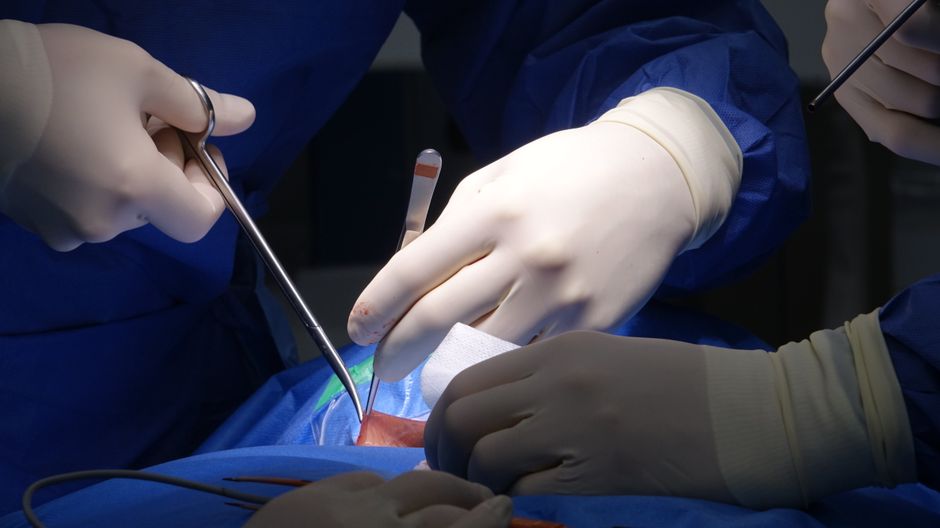
Sometimes the healing you need is right on the surface. Natural topical treatments applied directly to the affected area can reduce pain and support local healing.
Comfrey root extract ointment has been used for centuries to reduce inflammation and promote tissue repair. You apply it directly to the area.
Essential oils like lavender, rose, and ginger oil have anti-inflammatory and analgesic (pain-reducing) properties. These oils are traditionally used to treat neuropathic pain and may help you feel better while your nerves regenerate.
The key is consistency. A one-time application won’t do much, but regular use as part of your healing routine can support the process.
Rest and Recovery: The Foundation of Natural Nerve Repair
This might sound obvious, but it’s also the most important step most people skip.
Your damaged nerve needs rest. If you keep aggravating it, you restart the healing process over and over. It’s like trying to build a house while someone keeps knocking down the walls.
Depending on where your nerve injury is, rest might mean:
- Reducing repetitive motions that stress the nerve
- Using proper posture and body mechanics
- Avoiding positions that compress or strain the area
- Giving yourself permission to slow down while healing happens
Rest isn’t passive. It’s an active choice to protect your healing nerve so it can do its job.
Emerging Therapies for Nerve Repair
If natural approaches aren’t moving the needle as fast as you’d like, newer therapies show real promise. Targeted biologic injections using cellular therapies can reduce inflammation and repair damaged nerve sheaths at the microscopic level.
These treatments work by harnessing your body’s own healing capacity—they’re natural in spirit, even if they’re modern in delivery. They’re non-surgical and focused on giving your body the tools it needs to repair itself.
This is where CRM Wellness LA’s regenerative treatments come in. If you’ve been working on natural repair for a while and need something more targeted, these options are worth exploring.
Combining Approaches for the Best Results

Natural nerve repair isn’t either/or. It’s about combining multiple approaches that work together.
You might start with nutrition and rest. Add herbal support and topical treatments. If progress plateaus, explore regenerative therapies. The point is to layer strategies that all support the same goal: giving your nerve the best possible environment to heal.
Everyone’s nerve injury is different. What works perfectly for one person might need tweaking for another. That’s why working with practitioners who understand nerve healing—rather than just guessing on your own—makes a real difference.
If you’re in the Los Angeles area and want guidance on a natural nerve repair strategy tailored to your specific situation, CRM Wellness LA offers chiropractic care, physiotherapy, acupuncture, and regenerative treatments designed to support healing without surgery or medication.
Patience Is Part of the Process
Here’s the truth nobody wants to hear: nerves heal slowly. You can do everything right and still need weeks or months to see real improvement.
But slow healing is still healing. And with the right support, your body is more than capable of doing the job.
Stay consistent with nutrition. Use your topical treatments regularly. Give your nerve the rest it needs. Add therapies as they make sense. And trust the process.
How long does natural nerve repair take?
It depends on the severity of the damage and your overall health, but most nerve injuries take weeks to several months to heal noticeably. Minor nerve irritation might improve in a few weeks, while more serious damage can take months. The key is consistency—staying patient and supporting your healing throughout.
Can all nerve damage heal on its own without surgery?
Many nerve injuries do heal on their own if given proper rest and support. Severe injuries or complete nerve cuts may need surgical intervention, but your healthcare provider can help you figure out whether your particular nerve is healing well enough on its own. If it is, avoiding surgery is definitely preferable.
Is there a difference between natural remedies and medical treatments for nerve repair?
Natural remedies focus on reducing inflammation, supporting nutrition, and creating the right healing environment. Medical treatments like physical therapy, acupuncture, and regenerative therapies work alongside natural approaches—they’re not in conflict. The best results usually come from combining both.
Should I take supplements for nerve repair?
Supplements like turmeric, alpha-lipoic acid, and B vitamins can support nerve healing, but they work best alongside good nutrition and other treatments. Always check with your healthcare provider before starting supplements, especially if you take medications that might interact.