

A herniated disc can feel like your body has turned against you. Sharp pain, numbness, tingling down your leg, stiffness that makes even getting out of bed tough. The good news? You don’t automatically need surgery to fix it.
Nonsurgical decompression for herniated disc is a motorized traction technique that gently stretches your spine to take pressure off compressed discs and irritated nerves. It sounds technical, but the concept is simple: by creating space in your spinal column, your body can finally heal itself.
Related: Spinal Decompression for Herniated Disc: 2026 Treatment Data & Effectiveness Report
Let’s break down how this works, whether it’s actually effective, and whether it might be right for you.
Related: Chronic Tendonitis Shockwave Treatment: Does It Work?
Related: Shockwave Therapy for Shoulder and Knee Pain: Does It Work?
Related: Shockwave Therapy for Burning Feet: Does It Work?
What Is Nonsurgical Spinal Decompression?
Table of Contents
Nonsurgical spinal decompression therapy (NSDT) uses a special motorized table to apply controlled stretching forces to your spine. You lie on the table fully clothed, and a gentle distraction force slowly pulls your vertebrae apart over time.
Related: How Does a Decompression Table Work? LA Pain Relief Guide
The goal is to reduce pressure on the herniated disc material that’s pressing on your nerves. When that pressure decreases, inflammation drops, blood flow improves, and healing can actually happen.
This is different from manual chiropractic adjustments or basic stretching. The motorized equipment provides precise, repeated traction that’s calibrated to your specific needs. Think of it like giving your spine consistent, gentle decompression sessions that encourage the disc to move back to its proper position.
How Does It Help Herniated Discs?
Your intervertebral discs sit between your vertebrae like little cushions. When one herniates, the gel inside pushes out and can press directly on nearby nerves. That’s what causes pain, weakness, and that uncomfortable tingling sensation.
Nonsurgical decompression works three ways:
- Reduces nerve pressure: By gently separating vertebrae, the therapy creates more space in your spinal canal, easing compression on affected nerves.
- Increases disc healing: The stretching motion promotes fluid and nutrient exchange within the disc, helping it rehydrate and recover naturally.
- Decreases inflammation: Less mechanical pressure means less irritation, which reduces swelling around the nerve root.
Most people with herniated discs improve without surgery if given the right conservative treatment. The myth that you need to go under the knife is just that, a myth. CRM Wellness Center sees this all the time: patients who were told surgery was their only option find real relief through nonsurgical approaches.
What Conditions Can It Treat?
Nonsurgical decompression isn’t just for herniated discs. It’s effective for several spine-related issues:
- Bulging discs that haven’t fully herniated
- Degenerative disc disease (when discs gradually break down over time)
- Nerve compression and radiculopathy (radiating pain down your arm or leg)
- Sciatica caused by disc problems
- Chronic lower back and neck pain related to disc issues
If you’ve got pain that travels down your leg or arm, numbness in specific areas, or weakness that seems to come from your spine, decompression might help. The key is that your symptoms need to be linked to disc compression, not something else entirely.
Is There Real Science Behind It?
Yes. Research published in peer-reviewed journals shows that nonsurgical decompression can effectively reduce pain and improve function for people with herniated discs. Studies in the NIH database have documented the benefits, and the treatment has been used successfully for years.
One key finding: most people with herniated discs improve with conservative care. Surgery is rarely the first choice anymore, and that’s backed by modern medical guidelines.
The science is straightforward. When you reduce mechanical pressure on a nerve and increase the disc’s ability to heal itself, pain decreases and function returns. It’s not a miracle cure, but it’s real medicine backed by real results.
What Does a Typical Treatment Look Like?

If you start nonsurgical decompression, here’s what to expect:
- Initial assessment: A provider evaluates your spine, reviews imaging (usually MRI), and confirms that disc compression is causing your symptoms.
- Treatment sessions: You’ll typically have sessions 3-5 times per week for 4-6 weeks. Each session lasts 30-45 minutes.
- Progressive traction: The distraction force gradually increases over sessions as your spine adapts.
- Comfort focus: You’re awake and comfortable the entire time. There’s no pain, just gentle stretching.
During treatment, many people read, work, or just relax. It’s low-key and doesn’t interfere with your daily life (though you do need to commit to consistent sessions).
Combining Decompression With Other Therapies
Nonsurgical decompression works best when paired with other treatments. Here’s why: decompression reduces pressure and promotes healing, but you still need to strengthen the muscles around your spine so the problem doesn’t come back.
Related: Nonsurgical Treatments for Severe Sciatica in Los Angeles
Physical therapy is a natural partner. Specific exercises rebuild the stabilizer muscles in your core and back, improving posture and reducing strain on your discs.
Chiropractic care helps ensure your vertebrae stay properly aligned, so you get maximum benefit from the decompression sessions. Massage therapy reduces muscle tension that often accompanies disc problems.
At CRM Wellness Center, this integrated approach is standard. Instead of just doing decompression in isolation, you get a complete plan that addresses your disc, your muscles, your alignment, and your long-term health.
Who Should Consider This Treatment?
Nonsurgical decompression is a great fit if:
- You have confirmed disc herniation or bulging causing your symptoms
- You’ve had pain for weeks or months despite rest and basic treatment
- You want to avoid surgery if possible
- You’re willing to commit to multiple sessions over several weeks
- Your symptoms include radiating pain, numbness, or weakness in your arms or legs
It’s less effective if your pain is purely muscular, if you have severe stenosis (extreme narrowing of the spinal canal), or if you have unstable spinal structures. That’s why a proper evaluation is so important before starting.
What About Results and Recovery?
Most people start noticing improvement within 2-3 weeks of consistent treatment. Some feel relief faster, others take longer. Pain typically decreases gradually, and function improves steadily.
After completing your treatment course, the goal is maintenance. You’ll learn specific exercises and postural habits to keep your spine healthy and prevent the disc from herniation again. This is where the long-term success really happens.
Recovery isn’t just about getting out of pain. It’s about building resilience so you can return to activities you love without fear of re-injury.
Why Choose Nonsurgical Decompression Over Surgery?
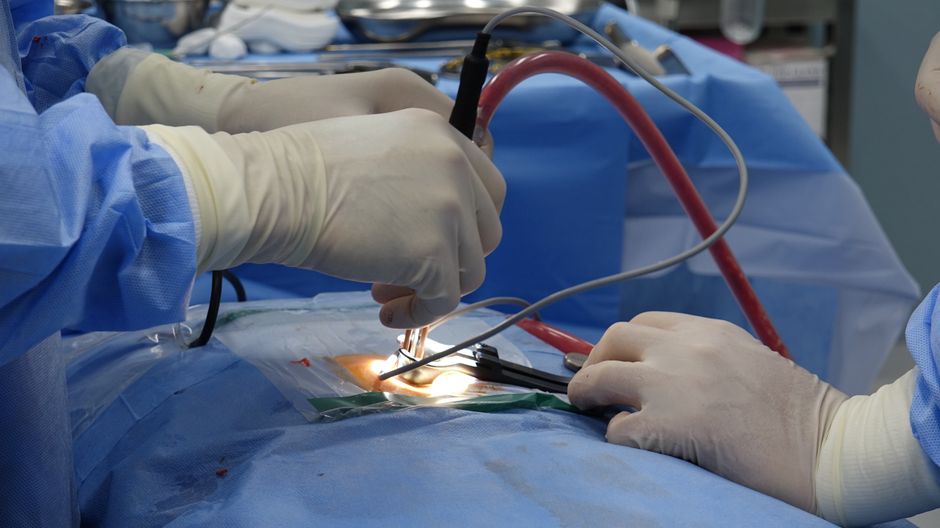
Surgery carries risks: infection, nerve damage, blood clots, and the possibility that scar tissue causes problems down the road. You also lose time recovering, often weeks or months of limited activity.
Nonsurgical decompression has minimal side effects. You might feel sore like after a workout, but that’s about it. You don’t miss work, you don’t need anesthesia, and you can go back to normal life immediately after each session.
Plus, if decompression works for you, you’ve solved your problem without permanent surgery. If it doesn’t, surgery is still an option later. Conservative care first is almost always the smartest path.
Finding the Right Provider in LA
Not all decompression therapy is created equal. You want a provider who has modern equipment, real experience with disc problems, and expertise in combining decompression with complementary therapies like physical therapy and chiropractic care.
Your provider should take time to understand your specific situation, get proper imaging, and create a personalized treatment plan. Generic, one-size-fits-all approaches rarely work well for herniated discs.
When you’re ready to explore your options, CRM Wellness Center offers comprehensive evaluations and integrated treatment plans tailored to your needs. The team specializes in exactly this kind of problem.
Key Takeaways
Nonsurgical decompression for herniated disc is a science-backed, low-risk treatment that works by gently stretching your spine to reduce nerve pressure and promote healing. It takes commitment to multiple sessions, but the results are real and the side effects are minimal.
It’s not a quick fix, but it’s a smart, conservative approach that addresses the root cause of your pain instead of just masking symptoms. Combined with physical therapy, chiropractic care, and a solid exercise plan, it gives your spine the best chance to heal naturally.
If you’re in Los Angeles and dealing with a herniated disc, nonsurgical decompression is absolutely worth exploring before considering surgery.
Common Questions About Nonsurgical Decompression
How long does it take to see results from decompression therapy?
Most people notice improvement within 2-3 weeks of starting consistent treatment. Some feel relief faster, while others need the full 4-6 week course. Everyone’s disc heals on its own timeline. Patience and consistency matter more than quick results.
Can a herniated disc heal completely without surgery?
Yes, absolutely. Most herniated discs heal on their own with proper conservative treatment. Your body is designed to repair itself when you give it the right conditions. Nonsurgical decompression, combined with physical therapy and proper movement habits, creates those conditions.
Is nonsurgical decompression painful?
No. The treatment is painless. You might feel mild soreness afterward, similar to after a workout, but during the session itself you just feel gentle stretching. If anything is painful, something’s wrong and your provider should adjust.
What happens if nonsurgical decompression doesn’t work for me?
If you complete a full course of treatment and don’t see improvement, surgery remains an option. But you’ll have tried the conservative approach first, which is the right order. Most people respond well, but if you’re in the minority that doesn’t, you’ll know you made the right choice exploring decompression before surgery.