

If shooting pain down your leg is keeping you from work, exercise, or time with family, you’re not alone. Sciatica affects millions of people across the Los Angeles area and beyond. But here’s what most people don’t realize: severe sciatica responds exceptionally well to nonsurgical treatments when you have the right approach.
The good news? You have multiple proven options that don’t involve surgery, injections, or long-term medication. CRM Wellness Center specializes in evidence-based nonsurgical treatments for sciatica and lower back pain, helping patients from Santa Monica to Long Beach, Pasadena to the South Bay get back to feeling like themselves.
Related: Best Treatments for Numbness and Tingling in Feet 2026
Related: Nonsurgical Decompression for Herniated Disc: Does It Work?
Related: Best Acupuncture for Neck Pain in Los Angeles | CRM Wellness Center
Related: Shockwave Therapy for Plantar Fasciitis Near Los Angeles
Related: What to Expect During Shockwave Therapy in Los Angeles
Related: Shockwave Therapy for Tendonitis Relief in Los Angeles
Related: Shockwave Therapy for Tennis Elbow in Los Angeles
Physical Therapy: The Gold Standard for Sciatica Relief
Table of Contents
Let’s start with what actually works. Research consistently shows that physical therapy is the most effective first-line treatment for sciatica and lumbar radiculopathy. It’s not flashy, but it works because it addresses the root cause instead of just masking pain.
Related: Decompression Therapy for Sciatica Relief: How It Works
Related: Decompression Therapy with Severe Sciatica & Osteoporosis: What You Need to Know
Related: Patellar Tendinopathy Treatment in Los Angeles | Non-Surgical Relief
Physical therapy for sciatica focuses on strengthening the muscles that support your spine: your core, lower back, glutes, and hips. When these muscles are weak or imbalanced, they let your spine shift, putting pressure on the sciatic nerve. By systematically rebuilding strength and correcting movement patterns, physical therapy reduces nerve compression and pain over time.
What does this look like in practice? Your therapist starts with targeted exercises that might feel gentle at first but gradually build your endurance and power. You’ll learn proper body mechanics for sitting, standing, and lifting so you stop aggravating the nerve every time you move. Most patients notice meaningful improvement within 4 to 6 weeks of consistent therapy.
Hot and Cold Therapy: Simple Tools That Actually Help
Alternating heat and cold therapy is one of the oldest and most underrated tools in pain management. Cold reduces inflammation and swelling around the nerve, especially helpful right after an irritation. Heat increases blood flow, relaxes tight muscles, and promotes healing in damaged tissue.
The strategy? Use ice for the first 48 to 72 hours after a flare-up to reduce acute inflammation. Then switch to heat (or alternate both) to support recovery. Many patients find 15 minutes of ice followed by 15 minutes of heat gives them the best relief. It’s something you can do at home while watching TV, making it one of the most accessible first steps.
Chiropractic Care and Manual Therapy for Nerve Decompression
Misalignment in your lower spine (lumbar vertebrae) can squeeze the sciatic nerve or the nerve roots that form it. Chiropractic adjustments gently realign these vertebrae, reducing pressure and allowing the nerve to function normally again.
Manual therapy techniques like soft tissue mobilization and spinal manipulation work best when combined with physical therapy. The adjustment frees up mobility, and the exercise work keeps it that way. CRM Wellness Center’s chiropractors use real-time imaging and assessment to ensure every adjustment targets your specific problem, not a generic protocol.
Acupuncture: Managing Pain While Your Body Heals

If you’ve been hesitant about acupuncture, consider this: it’s one of the most researched pain management techniques available, and studies show it can reduce sciatic pain and improve leg function when used alongside physical therapy.
Acupuncture works by triggering your body’s natural pain-relief mechanisms, reducing inflammation, and improving blood flow to irritated nerves. For sciatica, needles are placed in the lower back, glutes, and legs to interrupt pain signals and relax the muscles compressing the nerve. Many patients report feeling relief within the first few sessions, even as their underlying strength continues to improve.
Regenerative Medicine: Advanced Nonsurgical Options
For cases where conservative treatment alone isn’t enough, regenerative treatments offer a proven middle ground between physical therapy and surgery. These approaches use your body’s own healing capacity to repair damaged tissue and reduce inflammation around the sciatic nerve.
Platelet-rich plasma (PRP) and other regenerative therapies can be delivered precisely where inflammation is highest, stimulating the body’s natural repair processes. Unlike surgery, these are minimally invasive, have minimal downtime, and work synergistically with physical therapy. You might return to full activity within days rather than weeks or months of recovery.
Anti-Inflammatory Support and Muscle Relaxation
While CRM Wellness Center focuses on drug-free, hands-on treatment, it’s worth understanding how inflammation and muscle tension contribute to sciatica. Anti-inflammatory medications and muscle relaxants can reduce pain during your recovery window, especially if tightness is severe. The key is using these as temporary support while you rebuild strength, not as a permanent solution.
Your practitioner can discuss which anti-inflammatory approaches (dietary, herbal, or pharmaceutical) make sense for your specific situation and help you taper off as your condition improves.
Creating Your Personalized Nonsurgical Treatment Plan
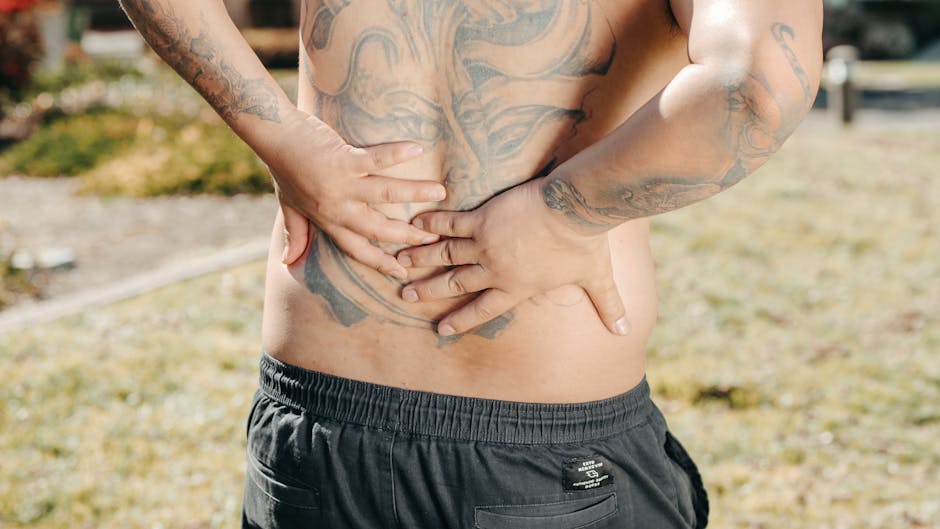
Every case of sciatica is different. Some people need aggressive physical therapy from day one. Others benefit from starting with acupuncture and chiropractic work to reduce pain enough to tolerate exercise. A few need regenerative support to address deep tissue damage.
The right approach starts with an honest assessment of your specific problem: Where is the nerve being compressed? How long has it been happening? Are there any red flags that require imaging or specialist input? CRM Wellness Center takes time to diagnose rather than jumping straight into treatment, which is why results stick.
Why Nonsurgical Treatment Works for Severe Sciatica
You might think severe pain requires severe intervention, but the evidence points the other way. Surgery should be a last resort, reserved for cases with nerve damage so severe it’s affecting your bowel or bladder function, or progressive weakness that doesn’t respond to months of conservative care.
For most people, including those with radiating leg pain, numbness, or weakness, nonsurgical treatment achieves the same or better long-term outcomes without the risks, recovery time, or cost of surgery. You keep your spine intact, avoid general anesthesia, and stay active throughout your recovery.
The real secret is consistency. Sciatica didn’t develop overnight, and it won’t resolve overnight either. But with a multi-disciplinary approach that combines physical therapy, manual care, and modern regenerative options when needed, most patients are pain-free and strong within 8 to 12 weeks.
Getting Started With Nonsurgical Sciatica Treatment in LA
If you’re in Los Angeles, Orange County, or the surrounding areas within 50 miles and ready to stop suffering, the first step is a proper evaluation. Your initial appointment should include a thorough history, movement assessment, and honest discussion about what’s realistic for your situation.
Contact CRM Wellness Center today to schedule a consultation with one of our pain specialists. We’ve spent years helping people in Downey, Glendale, Santa Clarita, and throughout the greater LA area recover from sciatica without surgery. Your recovery is just one good decision away.
How long does it take to recover from sciatica with nonsurgical treatment?
Most patients see significant improvement within 4 to 6 weeks of consistent physical therapy combined with other modalities like chiropractic care or acupuncture. Full recovery typically takes 8 to 12 weeks. The timeline depends on how long your sciatica has been present, your overall fitness level, and how diligently you follow your home exercise program.
Is physical therapy alone enough, or do I need additional treatments?
Physical therapy is often enough, especially when started early. However, if your pain is severe initially, combining therapy with acupuncture, chiropractic adjustments, or manual therapy can speed relief and help you tolerate exercise better. Some cases benefit from regenerative medicine if conservative options plateau.
Can I do normal activities while treating sciatica nonsurgically?
Yes, staying active is encouraged. You’ll modify activities to avoid positions that aggravate your nerve, but complete rest actually slows recovery. Your physical therapist will help you find the balance between protecting your healing nerve and maintaining movement, strength, and cardiovascular health.
When would I need surgery for sciatica?
Surgery is considered when progressive neurological deficits (like worsening weakness or loss of bowel/bladder control) are present, or when conservative treatment has been pursued consistently for 6 to 12 months without adequate relief. This is rare. The vast majority of sciatica cases resolve with nonsurgical care.