

If you’ve been injured in an accident—whether it’s from a car crash, slip and fall, or workplace incident—you’re probably wondering what comes next. Personal injury rehabilitation services in LA are designed to help you heal safely, reduce pain, and get back to normal life without relying on surgery or long-term medication. The key is finding the right mix of treatments tailored to your specific injury, not just generic care.
What Personal Injury Rehabilitation Actually Covers
Table of Contents
Personal injury rehabilitation isn’t one-size-fits-all. It’s a coordinated approach that combines different healing modalities depending on what your body needs. Think of it as a custom recovery plan built just for you.
Related: Best Auto Injury Recovery Methods 2026: Top 5 Ranked
Most services in LA include physical therapy to rebuild strength and mobility, chiropractic care to address spinal and joint alignment issues, massage therapy to reduce muscle tension and improve circulation, and acupuncture to manage pain naturally. Some practices also offer regenerative treatments like platelet-rich plasma (PRP) therapy for deeper tissue healing. CRM Wellness LA specializes in exactly this kind of integrated approach, combining multiple disciplines so you’re not bouncing between five different clinics.
The goal is clear: reduce your pain, restore function, and help your body heal the right way the first time. That means fewer complications down the road and a better shot at full recovery.
Why Personal Injury Cases Need Specialized Care
Here’s the thing—injuries from accidents are different. They’re not just “I overworked my shoulder at the gym” situations. Accident-related injuries often involve sudden trauma, multiple body systems affected at once, and sometimes hidden damage that doesn’t show up right away.
Practitioners trained in personal injury cases understand the specific patterns these accidents create. They know what to look for, how to document everything properly (which matters if you have a legal case), and how to structure a recovery timeline that actually works.
Related: Treating Personal Injury Cases in LA: Your Recovery & Legal Guide
Related: Doctor Treating Personal Injury Patients: What You Need to Know
Your insurance company will also want clear evidence of your treatment and progress. Having a team that knows personal injury rehab inside and out means better documentation, better coordination with any legal representation you might have, and a much smoother overall process.
Related: What Is Shockwave Therapy? Complete Guide to Treatment
Related: Stages of Soft Tissue Healing: A Complete Guide
Related: Repair Nerve Damage Naturally: A Complete Guide
The Step-by-Step Recovery Process
Step 1: Initial Assessment
Your first visit includes a thorough evaluation. The practitioner will take your full injury history, understand how the accident happened, check your range of motion, and identify which body systems are affected. This isn’t a quick check-in—it’s detective work to build your baseline.
Step 2: Create a Personalized Treatment Plan
Based on the assessment, your care team designs a plan that might include physical therapy sessions twice a week, chiropractic adjustments every 10 days, and acupuncture for pain management. The plan changes as you heal. It’s not rigid—it adapts to your progress.
Step 3: Active Rehabilitation
This is where most of the work happens. You’ll do exercises at home, attend therapy sessions, and gradually increase your activity level. It’s progressive—you’re not sitting around waiting to feel better. You’re actively rebuilding.
Step 4: Functional Recovery and Return to Normal**
The final phase focuses on getting you back to work, sports, or whatever matters to you. This might include specific training for your job or sport, balance work, or endurance building. CRM Wellness LA focuses on this return-to-function goal because that’s what actually matters in your life.
Treatment Options Available in Los Angeles
Physical Therapy
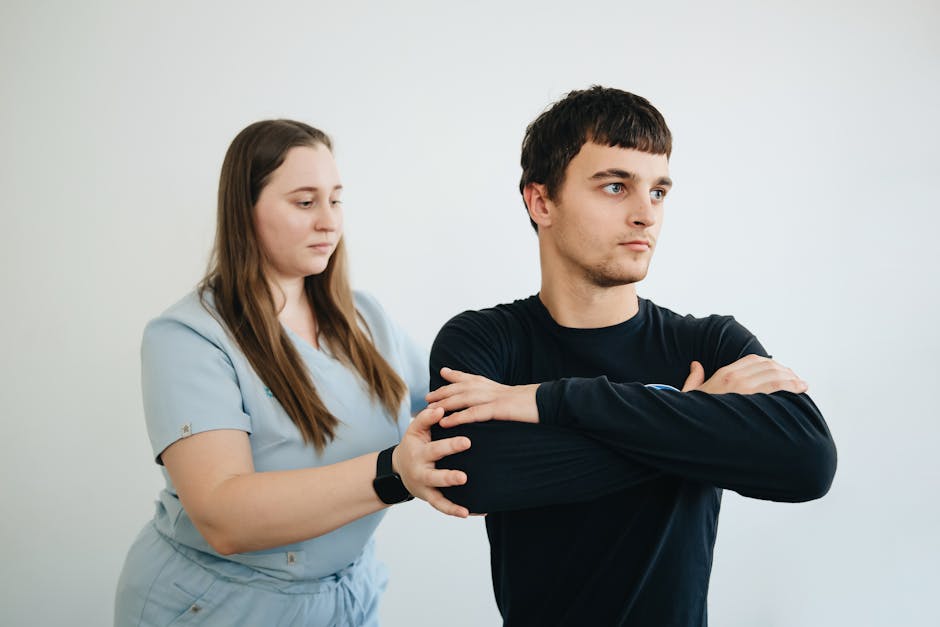
This is the backbone of most injury recovery. A physical therapist designs exercises that rebuild strength, restore mobility, and retrain your body after injury. Sessions are hands-on and progressive.
Chiropractic Care
Chiropractors work on spinal alignment, joint function, and nerve irritation. After an accident, your spine might be misaligned or your vertebrae might be affecting nerve function. Gentle adjustments and manipulations can relieve pain without surgery.
Massage Therapy
Soft tissue healing matters. Massage breaks up scar tissue, improves blood flow, reduces muscle tension, and can relieve pain that traditional therapies alone don’t address.
Acupuncture
Acupuncture is not just a trend—it’s a proven tool for pain management and accelerating healing. Needles stimulate specific points to reduce inflammation and activate your body’s natural healing response.
Regenerative Treatments
Some LA practices offer newer options like PRP therapy, which uses your own blood platelets to promote healing in damaged tissues. These are often used alongside traditional rehab, not instead of it.
How Long Does Recovery Actually Take?
Recovery timelines vary wildly depending on the severity of your injury, your age, overall health, and how committed you are to the process. A minor whiplash might resolve in 4-6 weeks. A more serious injury could take 3-6 months or longer.
The honest truth: consistency matters more than duration. If you do your exercises, attend your appointments, and follow your treatment plan, you’ll heal faster than someone who skips sessions and hopes it goes away.
Your care team should give you realistic expectations early on and adjust the timeline as you go. If someone promises you’ll be completely healed in 2 weeks, that’s a red flag.
Finding the Right Personal Injury Rehab Provider in LA
Not all rehab centers are built the same. Here’s what to look for:
- Multi-disciplinary approach—Make sure they offer multiple treatment types, not just one service.
- Experience with accident injuries—They should understand the specific challenges of personal injury cases.
- Clear communication about progress—You should know what’s happening at each stage and why.
- Insurance coordination—They should handle insurance paperwork and understand the legal side of personal injury cases.
- Practitioners with real credentials—Licensed physical therapists, chiropractors, and acupuncturists, not just “wellness coaches.”
When you’re researching options, ask about their experience with cases similar to yours. A center that specializes in auto injuries might approach your whiplash recovery differently than one that focuses on sports injuries. Both could be good—it’s about the right fit for your situation.
CRM Wellness LA brings together chiropractors, physical therapists, massage specialists, and acupuncturists under one roof, which means your care is coordinated and your progress is tracked across all disciplines.
The Insurance and Documentation Side
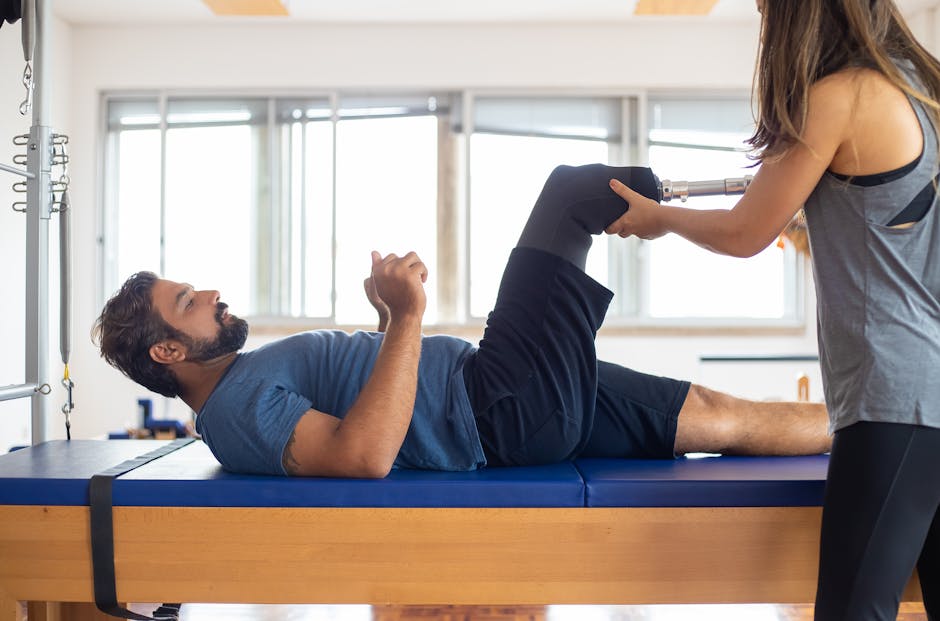
If you’re filing an insurance claim or have a legal case, documentation is everything. Every treatment session, every improvement you make, and every setback needs to be recorded clearly.
Your rehab provider should keep detailed notes that explain your injury, the treatment given, your progress, and any limitations you still have. This isn’t busywork—it’s the evidence that justifies your claim and supports any legal action you might pursue.
Good personal injury rehab centers understand this. They’ll work with your attorney if you have one, provide progress reports when needed, and ensure all your documentation is clean and thorough. According to Mayo Clinic’s guide on injury recovery, proper documentation and coordinated care lead to better outcomes overall.
Red Flags to Avoid
Watch out for places that push you too hard too fast, make promises about how quickly you’ll heal, or try to get you into expensive long-term packages upfront. Legitimate rehab is progressive and flexible, not aggressive.
Also skip any center that doesn’t involve you in your own care plan. You should understand why you’re doing each exercise, what it’s targeting, and how it’s helping. If they can’t explain it clearly, that’s a problem.
Pain medication might be part of your short-term recovery, but if a rehab center is primarily focused on managing pain with drugs rather than treating the underlying injury, you’re in the wrong place. Personal injury rehab should address root causes, not just mask symptoms.
What to Expect at Your First Appointment
Show up with your medical records if you have them—imaging reports, ER visit summaries, anything that documents your injury. Wear comfortable clothes that let them assess your movement freely.
Be honest about your pain levels, your daily activities, what’s limiting you, and your goals for recovery. Don’t downplay things to seem tough or exaggerate to get more treatment. Practitioners need the real story.
The evaluation might take 45 minutes to an hour. They’ll ask questions, test your movement, check your alignment, and possibly do some basic treatment that first day. By the end, you should have a clear sense of what’s wrong, what the plan is, and what to expect moving forward.
After your appointment, you might feel a little sore or tired—that’s normal. Your body just went through an intensive assessment. Some people feel better after the first visit. Others notice changes over a few sessions. This varies completely by person and injury type.
Getting Started With Personal Injury Rehab in LA
The best time to start is as soon as you know you’re injured. The sooner you address it properly, the better your long-term outcome. Don’t wait weeks hoping it goes away on its own.
If you’ve been in an accident or suffered a personal injury and you’re looking for coordinated, professional rehab that actually gets results, CRM Wellness LA offers integrated personal injury rehabilitation with multiple treatment modalities under one roof. The team handles the medical side, the insurance coordination, and the recovery planning so you can focus on healing.
Recovery is possible. It just requires the right approach, the right team, and your commitment to the process. Personal injury rehabilitation services in LA are designed to give you all three.
How long before I see results from personal injury rehab?
Many people notice some improvement within the first 2-3 weeks—less pain, better range of motion, or easier daily activities. However, real structural healing takes longer. You’re looking at 4-12 weeks for meaningful recovery depending on severity. Consistency matters more than speed.
Will I need surgery if I start rehab?
Not necessarily. A lot of injuries heal well with proper physical therapy, chiropractic care, and targeted treatment. Surgery is often a last resort after conservative treatment hasn’t worked. Starting rehab early actually reduces your chance of needing surgery later.
Does my insurance cover personal injury rehabilitation?
In many cases, yes—especially if the injury came from an accident and you filed a claim. Coverage varies by policy and insurer. Your rehab provider can usually verify coverage and help with authorization. If you have a personal injury lawyer, they often have good relationships with rehab centers and understand the insurance coordination process.
Can I do rehab exercises at home, or do I need to go to a clinic?
Both. Your initial assessments and some hands-on treatments need to happen at a clinic with a licensed practitioner. But rehab is maybe 20% what happens in the office and 80% what you do the rest of the time. Your therapist gives you exercises and protocols for home. You’re responsible for actually doing them consistently.