

Nerve damage can feel like a dead end, but here’s the good news: nerves have a remarkable ability to heal. Whether you’re dealing with a pinched nerve, a sports injury that damaged nerve tissue, or recovery from surgery, understanding how nerves repair themselves and what options are available can help you move forward with confidence.
How Do Nerves Actually Repair?
Table of Contents
Your nerves are tougher than you might think. When a nerve is damaged but not completely severed, it can often heal on its own over time. The process involves the nerve’s outer covering (called the myelin sheath) regenerating, and the nerve fibers themselves gradually restoring function.
The timeline varies depending on the type of injury and its severity. A minor compression might resolve in weeks, while more significant damage can take months. This is why patience and consistent care matter so much during recovery.
For nerves that are partially or completely severed, the body cannot always repair itself without help. This is where medical intervention becomes necessary.
Conservative Care: The First Step to Repair Nerves
Most nerve injuries start with non-surgical treatment. Your body needs time, reduced stress on the injured area, and proper support to heal.
Related: What Is Neuropathy? Symptoms, Causes & Treatment Options
Related: Diabetic Neuropathy Treatment Alternatives: Non-Drug Options
Related: Best Calcific Tendonitis Treatment in LA 2026: 5 Top Options Ranked
Rest is critical. If you keep aggravating a nerve, you’re working against your own recovery. That might mean modifying activities, using proper ergonomics, or avoiding positions that trigger pain or numbness.
Physical therapy plays a huge role here. Gentle movement, stretching, and targeted exercises help restore function and prevent muscle atrophy while your nerves heal. A physical therapist can design a plan that gradually challenges your body without overdoing it.
Massage therapy and acupuncture are also evidence-based options for nerve-related pain and inflammation. They can improve blood flow to the injured area, reduce muscle tension, and help your nervous system calm down. CRM Wellness LA offers all of these modalities as part of a comprehensive nerve recovery plan.
Anti-inflammatory approaches matter too. Reducing inflammation around the nerve gives it breathing room to heal. This might involve ice therapy early on, then heat as healing progresses, or treatments designed to calm the inflammatory response.
When Surgical Nerve Repair Becomes Necessary
Sometimes nerves need surgical intervention. If a nerve is completely severed or the damage is so severe that conservative care alone won’t restore function, a surgeon may need to step in.
The first step in surgical repair is removing damaged tissue from the nerve ends. Nerves cannot heal through dead or scar tissue, so surgeons clean up the injury site first.
For gaps between nerve endings, a nerve graft may be used. This involves taking a healthy nerve segment (often from the sural nerve in the leg) and implanting it to bridge the gap. The graft acts like a scaffold, guiding the nerve fibers as they regrow across the injury.
Some surgeons now use biologic injections and other emerging therapies to reduce inflammation and promote regeneration at the cellular level. These approaches are advancing the field, though your surgeon will determine what’s appropriate for your specific injury.
Timing matters significantly. The sooner nerve repair happens after a complete injury, the better the outcomes tend to be. This is why consulting with a specialist promptly is so important.
Rehabilitation After Nerve Repair
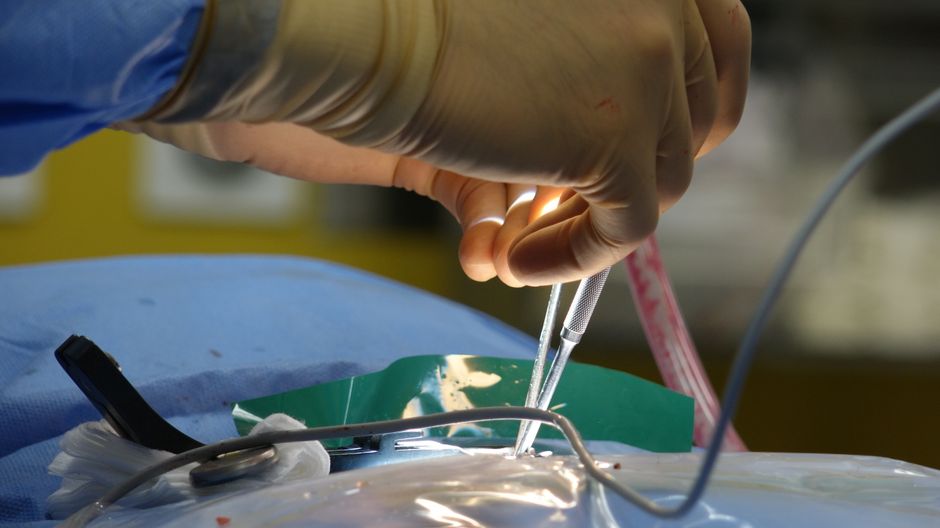
Whether your repair is surgical or conservative, what happens after is critical. Your nerves need a structured rehabilitation plan to regain strength and function.
Physical therapy is essential. As your nerves heal, they need to be “retrained” to do their job. Your therapist will guide you through progressively more challenging exercises and movements.
Chiropractic care can support nerve recovery by ensuring proper alignment and reducing any mechanical stress on healing nerves. Misaligned joints or vertebrae can interfere with nerve function, so addressing these issues speeds recovery.
Pain management during rehabilitation is important too. Some discomfort is normal, but excessive pain can actually slow healing and create protective muscle patterns that interfere with recovery. Therapies like acupuncture and massage can manage pain without relying on medications.
If you’re working through nerve repair or recovery from a nerve injury, CRM Wellness LA can coordinate multiple treatment modalities to support your healing.
Red Flags: When to Seek Immediate Help
Some nerve injuries need urgent attention. If you experience sudden paralysis, loss of sensation that’s spreading, severe weakness, or loss of bowel or bladder control, get medical help right away.
Similarly, if you have signs of nerve damage after an injury (like burning pain, numbness, tingling, or weakness) and it’s not improving with rest, don’t wait. The sooner you address nerve injury, the better your long-term outcome.
Chronic nerve pain that doesn’t respond to home care should also prompt a professional evaluation. Sometimes what feels like a minor issue is actually significant nerve involvement that needs specialized treatment.
Long-Term Nerve Health and Prevention
Once you’ve recovered from nerve damage, staying proactive prevents it from happening again.
Maintain good posture and ergonomics, especially if your work involves sitting or repetitive motions. Many nerve injuries stem from prolonged poor positioning.
Stay active and flexible. Regular gentle movement keeps your nervous system healthy and resilient. Stretching and strengthening work together to protect your nerves.
Manage stress and inflammation in your body overall. Chronic stress amplifies nerve pain, while inflammation anywhere in your body can make nerves more sensitive. This is why holistic approaches that address your whole system work better than isolated treatments.
If you’ve had nerve issues before or you’re in a high-risk activity (like sports or physically demanding work), regular check-ups with a chiropractor or physical therapist can catch problems early before they become serious.
Getting Professional Support for Nerve Repair

Repairing nerves is not a one-size-fits-all process. Your recovery depends on the type of nerve damage, where it is in your body, how severe it is, and how quickly you get treatment.
A multidisciplinary approach works best. You might need surgery, physical therapy, chiropractic care, and pain management all working together. Having practitioners who communicate and coordinate your care ensures nothing falls through the cracks.
Los Angeles residents recovering from nerve injuries, auto injuries, or sports injuries often benefit from a center that offers all these services under one roof. That’s where CRM Wellness LA‘s multi-disciplinary model makes a real difference. You get chiropractic care, physiotherapy, massage therapy, acupuncture, and regenerative treatments, all coordinated around your recovery goal.
If you’re not sure whether your nerve issue needs surgery or if conservative care is right for you, start with a consultation. A specialist can assess your injury and recommend the best path forward.
What’s the difference between a pinched nerve and nerve damage?
A pinched nerve is temporary compression—something is pressing on the nerve and blocking its signal. Nerve damage is actual injury to the nerve tissue itself. Pinched nerves often resolve with rest and care, while nerve damage (especially if the nerve is torn) may require more aggressive treatment or surgery.
How long does it take for nerves to repair themselves?
It depends on the severity. Minor nerve compression might improve in weeks. More significant damage typically takes months. Surgical nerve repair can require 6 months to over a year for full function to return, as nerves regrow slowly. Your practitioner can give you a more specific timeline based on your injury.
Can physical therapy alone fix nerve damage?
For mild to moderate nerve injuries, yes—physical therapy combined with rest and other supportive care often resolves the problem. For severe or complete nerve severing, surgery is usually needed first, then physical therapy supports the healing process afterward.
Is nerve repair surgery always successful?
Success depends on many factors: how soon after injury surgery is done, the location and type of nerve, the patient’s age, and how well rehabilitation is followed. Even with surgery, some nerve function may not fully return. This is why getting prompt, expert evaluation matters. Your surgeon can discuss realistic outcomes for your specific situation.