

Scar tissue can be a real problem. It builds up after an injury or surgery, limits your movement, causes pain, and just doesn’t feel like your body anymore. But here’s the good news: scar tissue ultrasound therapy is a non-invasive way to break it down and help your body heal faster. We’re going to walk you through exactly what this therapy is, how it works, and whether it’s right for your situation.
What Is Scar Tissue Ultrasound Therapy?
Table of Contents
Ultrasound therapy uses sound waves to treat injuries and speed up healing. Think of it like a gentle, invisible massage that penetrates deep into your tissues where your hands can’t reach.
Related: SoftWave Tissue Regeneration Therapy: How It Works
Related: Deep Tissue Therapy: How It Works & When You Need It
Related: Nerve Regeneration Shockwave Therapy: How It Works
Related: Breaking Up Scar Tissue With Shockwave Therapy: Does It Work?
The ultrasound machine sends waves into your skin at specific depths. These waves generate therapeutic heat energy that increases blood flow to the injured area. Better blood flow means more oxygen and nutrients get to your damaged tissues, which naturally promotes healing and reduces scar buildup.
The beauty of this approach is that it’s completely non-invasive. No needles, no surgery, no drugs. Just sound waves doing the work your body needs.
How Scar Tissue Forms (And Why Timing Matters)
Your body is smart. When you get injured or have surgery, it immediately tries to patch the wound by creating scar tissue. That’s a good thing in the short term, but if scar tissue builds up too much, it becomes stiff, restricts movement, and traps nerve endings that create pain.
Here’s the critical part: the first 72 hours after injury are when ultrasound therapy works best. Early intervention can actually minimize how much scar tissue forms in the first place. If you wait weeks or months, ultrasound can still help break down existing scar tissue, but the effect is stronger when you catch it early.
This is why getting evaluated quickly after a sports injury, auto accident, or surgery matters so much. The sooner you start treatment, the better your outcomes tend to be.
The Science Behind Low-Intensity Therapeutic Ultrasound
Low-intensity therapeutic ultrasound (LITUS) is the type used for soft tissue healing, and it has solid research backing it up.
The mechanism is straightforward: the ultrasound waves penetrate the tissue layers, increase blood flow, reduce inflammation, and help your body remodel the damaged area. Research published in peer-reviewed journals consistently demonstrates that when applied within the first few days of injury, low-intensity ultrasound accelerates wound healing and reduces final scar size.
The therapy reduces pain signals in the short term while supporting long-term structural healing. That’s why a lot of people feel relief during treatment and then notice even bigger improvements as the weeks go on.
When You Might Benefit From This Therapy
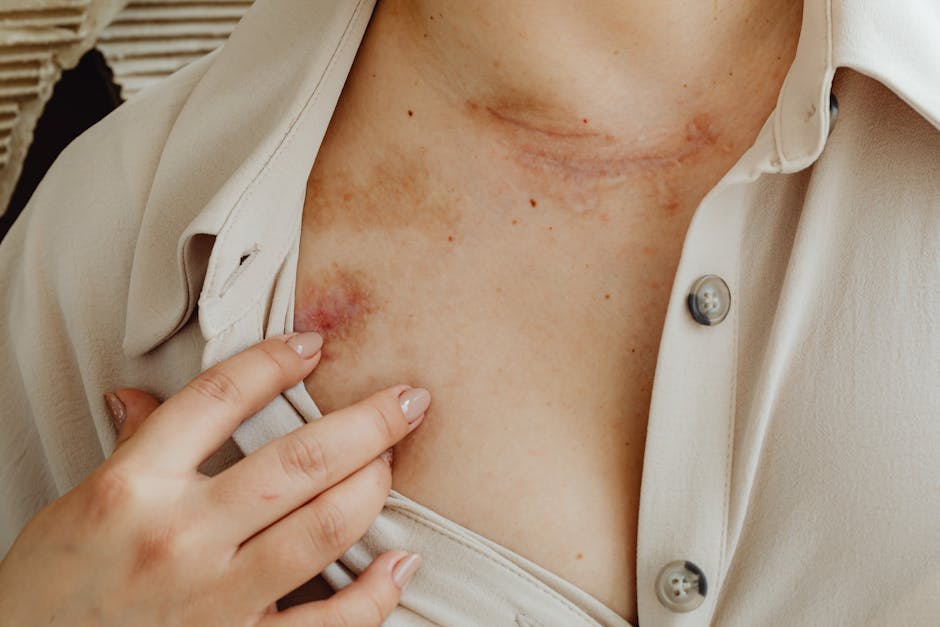
Scar tissue ultrasound therapy is useful for a bunch of different situations. Here are the most common ones:
- Post-surgical recovery. If you’ve had any kind of surgery, ultrasound in the first few days can help prevent excessive scarring and speed up your return to normal function.
- Acute soft tissue injuries. Sprains, strains, tears in muscles or ligaments—ultrasound helps all of these.
- Chronic scar tissue pain. If you’re dealing with old injuries or surgery scars that still hurt or limit your movement, ultrasound can help break down the buildup.
- Auto and sports injuries. These often involve soft tissue damage where ultrasound excels.
- Post-injury stiffness. If you’re recovering from something and just can’t get your full range of motion back, ultrasound combined with other therapies can help restore mobility.
The key is that ultrasound works best on soft tissue. Muscles, ligaments, tendons, connective tissue—that’s where it shines.
What to Expect During and After Treatment
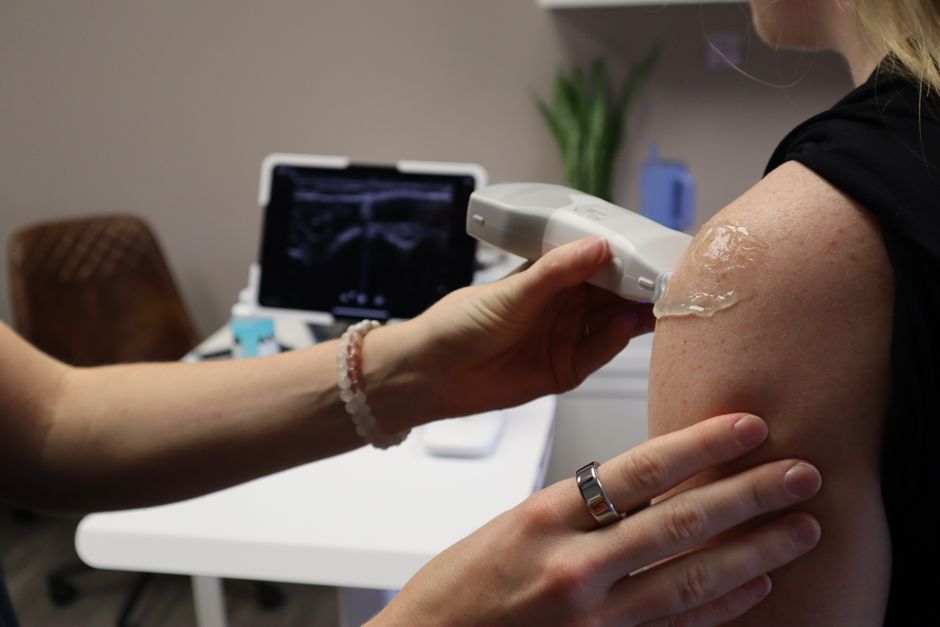
A typical ultrasound therapy session is quick and straightforward. Your practitioner applies a gel to the skin (similar to what you’d get during an ultrasound scan at a hospital), then uses a handheld device to deliver the therapeutic waves to the injured area.
You might feel a gentle warmth or tingling sensation. It shouldn’t be painful, though some tenderness in the area is normal if the tissue is freshly injured.
Sessions usually take 10 to 15 minutes. Most people need multiple sessions spread over a few weeks to see real results. The exact number depends on how recent your injury is and how much scar tissue has built up.
After treatment, you might notice some soreness, similar to mild muscle soreness after exercise. That’s normal and usually fades within a day or two.
If you’re dealing with a recent injury or post-surgical recovery and want to explore whether scar tissue ultrasound therapy is right for you, CRM Wellness Center offers this modality as part of a personalized treatment plan.
Combining Ultrasound With Other Therapies
Ultrasound therapy doesn’t have to be your only treatment. In fact, it often works better when combined with other modalities.
Physical therapy helps restore movement and strength after you’ve reduced the scar tissue. Chiropractic adjustments can address any alignment issues that developed as you favored the injured area. Massage therapy increases blood flow and breaks up adhesions alongside the ultrasound work.
A multi-disciplinary approach is often the fastest way to heal. Instead of relying on one tool, you use several techniques that all support the same goal: restoring function and eliminating pain.
If you’ve been dealing with pain or limited mobility from an old injury or recent surgery, talking with a pain management specialist about combining ultrasound therapy with other treatments can help you create a realistic recovery plan.
Common Questions About Scar Tissue Ultrasound Therapy
How long does it take to see results from ultrasound therapy?
Some people feel relief during their first session, especially if the tissue is freshly injured and very inflamed. Most people notice meaningful improvement within 2-4 weeks of consistent treatment. Chronic scar tissue that’s been building for months or years might take longer. The key is consistency—scattered sessions won’t be as effective as a regular schedule over several weeks.
Can ultrasound therapy break down old scar tissue from years ago?
Yes, but it’s less dramatic than treating fresh injuries. Old scar tissue is more fibrous and dense, so it takes more time and sessions to remodel. That said, many people do see improvement in pain and mobility even from scar tissue that’s been there for years. Combined with physical therapy, the results are usually better.
Is scar tissue ultrasound therapy safe?
When delivered at therapeutic intensities by a trained practitioner, low-intensity ultrasound is very safe. There are no serious side effects in the research. Some mild soreness in the treated area is normal. If you’re pregnant, have certain metal implants, or are taking blood thinners, talk to your practitioner first to make sure it’s appropriate for your situation.
Will ultrasound therapy eliminate my scar completely?
Ultrasound can’t erase a scar entirely, especially if it’s been there for a long time. But it can significantly reduce pain, improve flexibility, and help remodel the scar tissue so it’s less obvious and less restrictive. The goal is functional healing—getting your movement and strength back—rather than a perfect cosmetic result.