

If you’re considering shockwave therapy for pain relief, you probably want to know one thing: when will I actually feel better? The honest answer is that it’s not immediate, but relief does come. Most people start noticing real improvements within 4 to 7 days after a single session, with the most significant results appearing around 5 to 11 weeks into treatment.
Let’s walk through what you can realistically expect from day one onward, so you know what’s normal and when to check in with your provider.
What Happens Right After Your Session
Table of Contents
Here’s the thing: you’re probably not going to walk out of your shockwave therapy appointment pain-free. That would be nice, but that’s not how this treatment works.
Some patients do experience a temporary numbing sensation in the treated area right after the session ends. This is just a localized nerve response and isn’t the actual healing effect you’re after. Don’t mistake it for the real deal.
Instead, expect mild soreness, stiffness, or achiness for about 2 to 3 days following treatment. Think of it like the feeling after a good workout. Your body is responding to the stimulation, and that’s actually a sign the therapy is working. This post-treatment soreness is totally normal and doesn’t mean something went wrong.
Days 1 to 7: The Early Window
During your first week after shockwave therapy, pay attention to how you’re feeling, but don’t expect dramatic changes just yet.
Some patients notice mild shifts in pain intensity or how they move within the first 1 to 2 sessions. Others feel almost nothing different at this stage. Both responses are fine. Your tissue is beginning to respond to the shock waves, but the real healing cascade hasn’t fully kicked in.
By day 4 to 7, though, the complete effect from that single session should become more apparent. You might notice you can move a little easier or your pain feels slightly different. It’s subtle, but it’s there. This is when most people start thinking, “Okay, maybe this is actually working.”
Why You Need Multiple Sessions
Here’s something important: shockwave therapy usually isn’t a one-and-done treatment. Most patients require at least three sessions scheduled about one week apart before they notice significant pain relief. Some conditions need five or more sessions.
Related: Shockwave Treatment for Heel Spurs Near Los Angeles: Non-Surgical Relief
Related: Shockwave Therapy for Tendonitis Relief in Los Angeles
This is by design. Each session stimulates your body’s natural healing response. The cumulative effect of multiple treatments is what really drives meaningful change. If you’re thinking about trying shockwave therapy, plan for a series of appointments rather than expecting one magic session to solve everything.
CRM Wellness LA can help you understand how many sessions your specific condition typically requires during your initial consultation.
Weeks 2 to 4: Growing Improvements
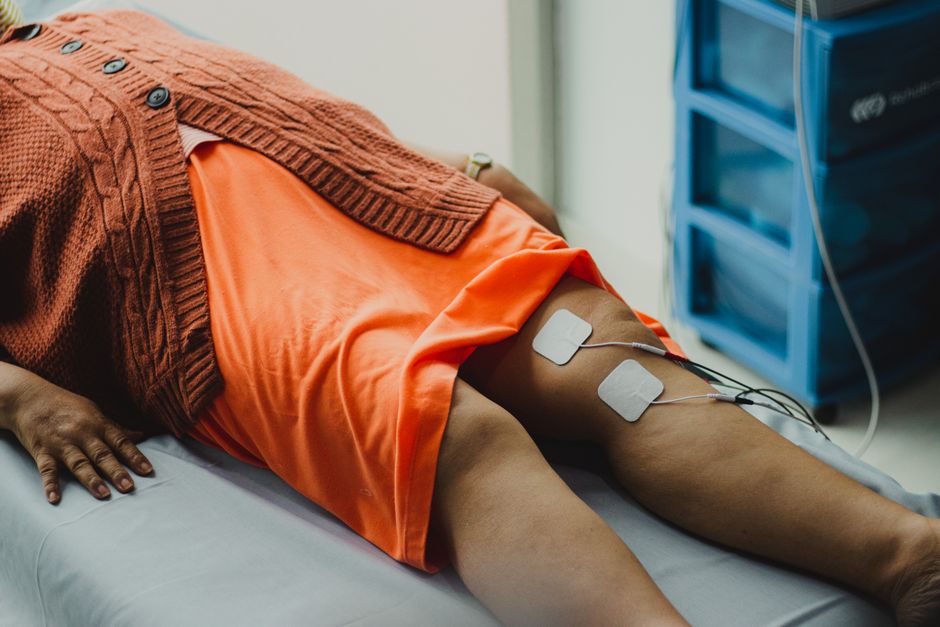
By your second to fourth week of treatment, things get more interesting. This is when many patients report noticeable improvements in their condition. You might notice increased mobility, decreased stiffness first thing in the morning, or pain that doesn’t flare up as easily.
Pain relief happens gradually as your damaged tissue begins the actual healing process. You’re not going to wake up one day and have zero pain, but you’ll probably wake up and realize your pain isn’t the first thing you notice anymore.
Some people notice improvements in mobility early on, while others experience a slower, more gradual shift. Both timelines are completely normal. Everyone’s body heals at its own pace.
Weeks 5 to 11: Significant Relief Emerges
The most notable results from shockwave therapy typically become apparent 5 to 11 weeks post-treatment. This is when you start thinking, “Yeah, this really worked.”
Related: What Is Shockwave Therapy? Complete Guide to Treatment
By this point, you’ve likely completed your series of sessions, and your body has had time to build new, healthier tissue in the treated area. Pain that used to limit your day might now barely register. Activities you’d written off might feel possible again.
Keep in mind that the timeline varies from person to person. Your age, the severity of your injury, how long you’ve been dealing with the pain, and even how well you’re managing inflammation outside of treatment all play a role. Someone recovering from a recent sports injury might see faster results than someone with chronic pain that’s been lingering for years.
Beyond the Initial Course: Long-Term Relief
After you finish your initial series of shockwave therapy sessions, the question becomes: how long does relief last?
The durability of results depends on several factors. Some people experience lasting relief for months or even longer. Others might benefit from occasional maintenance sessions down the road. Your lifestyle, how you manage your condition going forward, and whether you address underlying issues all matter.
This is why working with experienced providers matters. If you’re dealing with chronic pain or a recurring injury, you need someone who understands how to build a treatment plan that supports long-term healing, not just short-term relief. CRM Wellness LA takes a comprehensive approach to regenerative treatments, helping you understand what to expect and how to maintain your progress.
What Affects Your Personal Timeline

Your specific relief timeline depends on a lot of factors. Here’s what really moves the needle:
- Your condition: Tendon pain or heel spurs might respond faster than severe arthritis.
- How long you’ve had the pain: Recent injuries often improve quicker than chronic issues.
- Your age and overall health: Younger bodies and bodies with good circulation tend to heal faster.
- How well you follow aftercare: Resting when you should, avoiding aggravating activities, and managing inflammation outside of treatment speeds healing.
- Whether you’re treating the root cause: If your pain is being caused by poor movement patterns or muscle imbalances, addressing those makes a real difference.
- Your stress levels: Chronic stress literally slows healing. Managing stress helps.
When to Expect It’s Not Working
If you’ve completed a full series of sessions and see zero improvement, that’s worth discussing with your provider. Not every treatment works for every person, and that’s okay. The good news is there are other regenerative and non-surgical options available.
Before you give up, though, make sure you’re actually giving it enough time. Some people expect results too early or don’t realize that initial soreness is part of the process. A good conversation with someone who specializes in pain management and regenerative treatments can help you figure out whether you’re on the right track or need to pivot.
Managing Expectations During Treatment
One of the biggest mistakes people make is expecting pain relief to feel like flipping a switch. Real healing doesn’t work that way. It’s more like slowly turning up a dimmer switch.
You’ll likely notice small wins before big ones. Your range of motion improves. You sleep a little better. Your pain doesn’t spike as easily. These aren’t dramatic, but they add up. By week 8 or 10, you look back and realize you’re living differently than you were before treatment started.
That’s the goal. Not perfection or pain-free status, but meaningful improvement that lets you do the things that matter to you again.
Is shockwave therapy painful?
During the session, you might feel pressure, tapping sensations, or mild discomfort, but most people don’t describe it as painful. Some discomfort is normal. If it’s truly painful, tell your provider. After the session, mild soreness for a few days is typical and doesn’t mean anything went wrong.
Can shockwave therapy make pain worse before it gets better?
It’s possible to experience a temporary increase in soreness or stiffness in the first few days after treatment. This is your body’s inflammatory response to the stimulation and usually settles within 3 days. If pain gets worse and doesn’t improve, reach out to your provider.
What should I do between shockwave therapy sessions to speed up relief?
Rest the treated area when possible, ice if swelling occurs, and avoid activities that aggravate your pain. Stay hydrated, manage stress, and follow any specific aftercare instructions your provider gives you. Some providers recommend gentle movement or stretching. Ask what’s right for your situation.
Can I combine shockwave therapy with other treatments to get faster relief?
Many people see better results when shockwave therapy is part of a bigger treatment plan that might include chiropractic care, physiotherapy, or other modalities. Talk to your provider about what combination might work best for your specific condition and healing goals.