

If your heel pain has been dragging on for months and you’re wondering whether shockwave therapy or surgery is your best bet, you’re asking the right question. The short answer: shockwave therapy is generally safer and less invasive than surgery for plantar fasciitis, and it works well for most people who’ve tried conservative treatments without success.
But “safer” doesn’t mean “always the right choice.” Let’s dig into what actually happens with each option, so you can make an informed decision about your feet.
What Is Shockwave Therapy and How Does It Work?
Table of Contents
Shockwave therapy, formally called Extracorporeal Shock Wave Therapy (ESWT), uses high-energy sound waves to stimulate healing in your plantar fascia. The waves are delivered through your skin to the damaged tissue in your heel or arch.
Related: Shockwave Therapy & Poor Circulation: Key Contraindications
Here’s the cool part: those shock waves trigger your body’s natural healing response. They increase blood flow, reduce inflammation, and actually help regenerate tissue. You don’t need surgery. You don’t need a long recovery. You come in, get treated, and go home the same day.
The whole session usually takes 30 minutes to an hour. Most people need 3 to 5 treatments, spaced a week or two apart.
How Does Surgery Compare for Plantar Fasciitis?
Surgical options for plantar fasciitis typically involve cutting or releasing part of the plantar fascia to reduce tension. The most common procedure is a plantar fascia release, done either open (larger incision) or endoscopically (smaller incision with a camera).
Surgery is more invasive. You’re under anesthesia, there’s cutting involved, and you’re looking at actual downtime. Recovery can take weeks to months. You might have scarring, infection risk, or nerve damage in rare cases.
That said, surgery can be effective for severe, refractory cases that haven’t responded to anything else. But it’s usually the last resort, not the first.
Is Shockwave Therapy Actually Safer Than Surgery?
When we talk about safety, we’re looking at side effects, complications, and recovery risk.
Related: Is Shockwave Therapy Effective for Severe Diabetic Peripheral Neuropathy?
Shockwave Therapy Safety Profile: The research backs this up. A comprehensive clinical review of over 100 studies confirmed that ESWT is both safe and effective for chronic plantar fasciitis. Side effects are minimal and usually mild. You might experience some temporary bruising, swelling, or tenderness at the treatment site for a day or two. That’s it.
There’s no cutting, no anesthesia, and no surgical complications like infection or nerve damage. You can return to normal activities almost immediately.
Surgery Safety Considerations: Surgery carries the standard risks of any invasive procedure: infection, bleeding, adverse reactions to anesthesia, and nerve injury. Even though serious complications are uncommon, they can happen. Plus, the recovery period means time off work, limited activity, and pain during healing.
Bottom line: shockwave therapy has a much cleaner safety profile. CRM Wellness LA and other regenerative medicine centers have made ESWT the go-to non-surgical option for exactly this reason.
How Effective Is Shockwave Therapy for Plantar Fasciitis?
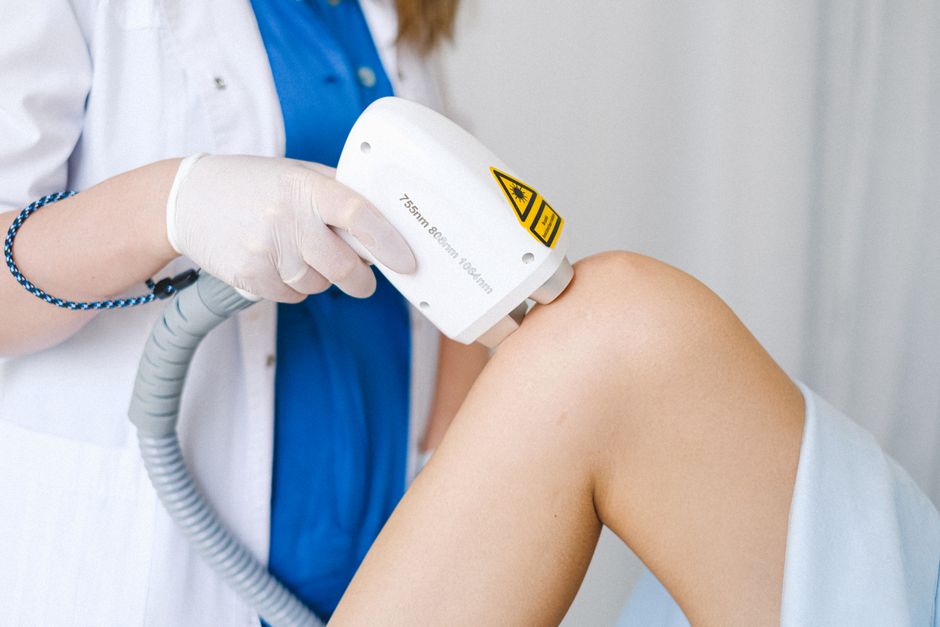
This is where shockwave therapy really shines. Studies show that 70 to 80 percent of patients experience significant pain relief and improved function after ESWT treatment.
Related: Shockwave Therapy for Plantar Fasciitis Near Los Angeles
The therapy works best for chronic plantar fasciitis—cases that have been going on for months and haven’t responded well to stretching, orthotics, or physical therapy. It’s positioned as the middle ground: more powerful than conservative treatments, but way less aggressive than surgery.
Most people see results within 3 to 6 weeks after starting treatment. Pain typically decreases gradually, and you’re usually able to return to normal activities like walking or light exercise fairly quickly.
When Might Surgery Be Necessary?
Surgery isn’t off the table completely. There are cases where it makes sense. If you’ve done everything—stretching, orthotics, physical therapy, shockwave therapy—and your pain is still severe and affecting your quality of life, surgery might be worth considering.
Refractory plantar fasciitis (the kind that doesn’t respond to standard treatments) is the main reason surgery gets recommended. But honestly, these cases are less common than you’d think.
Talk to your doctor about your specific situation. Sometimes imaging or advanced diagnostics reveal something else going on that surgery can address.
What About Other Non-Surgical Options?
If you’re hesitant about both surgery and shockwave therapy, you’ve got other paths. Physical therapy and stretching remain the foundation of treatment. Custom orthotics can reduce stress on the fascia. Anti-inflammatory treatments and night splints help too.
Emerging alternatives like PRP (platelet-rich plasma) injections and high-intensity laser therapy are gaining traction as well. These are regenerative approaches similar to shockwave therapy in philosophy—helping your body heal itself rather than cutting tissue away.
Related: Cortisone Injection vs. Shockwave Therapy for Tendonitis
The key is finding a practitioner who understands the full spectrum of options and can help you progress logically. Multi-disciplinary pain management clinics excel at this because they can combine approaches—maybe physical therapy plus shockwave therapy, or massage therapy to release muscle tension while addressing the root cause.
The Real Question: Should You Choose Shockwave Over Surgery?
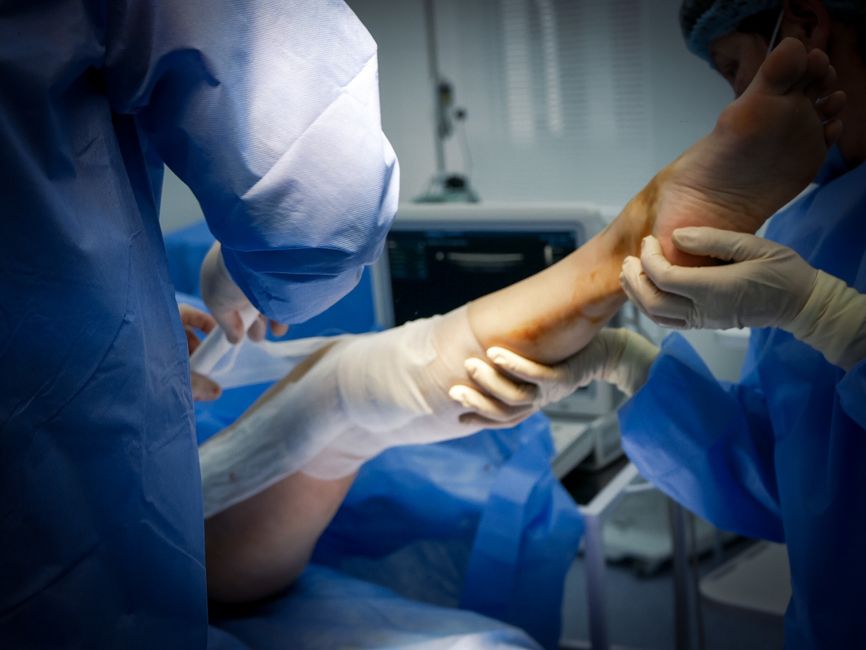
For most people with plantar fasciitis, yes. Here’s why:
- Shockwave therapy is less invasive and has minimal side effects.
- Recovery is fast—you’re not sidelined for weeks.
- Effectiveness rates are high, especially for chronic cases.
- There’s strong clinical evidence backing it up.
- If it doesn’t work, surgery is still an option later.
The logic is simple: start with less aggressive interventions and move toward more invasive options only if needed. Surgery should be your last resort, not your first move.
How to Move Forward
If you’re dealing with persistent heel pain, the next step is getting a proper evaluation from someone who knows regenerative and pain management medicine.
A good practitioner will ask detailed questions about your symptoms, how long it’s been going on, what you’ve already tried, and your goals. They’ll examine your foot and may order imaging if needed. Then they can recommend the right path—whether that’s intensive physical therapy, shockwave therapy, or exploring other options.
Don’t just assume surgery is inevitable. And don’t assume one treatment will work for everyone. Your plantar fasciitis is unique to you, and your treatment should be too.
For residents in the Los Angeles area looking for a comprehensive approach to plantar fasciitis, experienced regenerative medicine centers can assess your specific case and guide you toward the safest, most effective option—whether that’s shockwave therapy, targeted physical therapy, or a combination of approaches.
People Also Ask About Shockwave Therapy and Plantar Fasciitis
How many shockwave therapy sessions do you need for plantar fasciitis?
Most people need 3 to 5 sessions, spaced 1 to 2 weeks apart. Some cases resolve faster, others take a few more treatments. Your practitioner will assess your progress and adjust the plan accordingly.
Related: Shockwave Therapy vs PRP: Which Has Faster Recovery?
Is shockwave therapy painful?
You’ll feel some pressure and tapping sensations during treatment, but it’s not typically painful. Some people describe mild discomfort, similar to a deep tissue massage. It’s well-tolerated by most patients without anesthesia.
Related: Why Insurance Won’t Cover Shockwave Therapy & What You’ll Pay
How long does it take to see results from shockwave therapy?
Most people notice gradual improvement within 3 to 6 weeks after starting treatment. Some see results faster. Keep in mind that healing takes time—this isn’t a same-day fix, but it’s definitely faster than waiting for conservative treatments alone.
Can plantar fasciitis come back after shockwave therapy?
Yes, it’s possible. That’s why physical therapy, proper footwear, and stretching remain important even after shockwave therapy. You’re treating the tissue damage, but if you return to activities that stress the fascia without protecting it, symptoms can recur. Long-term success depends on maintaining good foot health habits.