

Shockwave therapy for shoulder and knee pain is a non-invasive treatment that uses acoustic waves to stimulate healing in damaged tissues, tendons, and ligaments. If you’re dealing with chronic pain and tired of the usual options, this might be worth exploring.
Here’s the thing: shockwave therapy isn’t magic, but it’s backed by solid research for certain conditions. It works best for mild to moderate issues like tendon pain, fascial problems, and early-stage joint wear. If you’re looking for a drug-free, non-surgical path forward, CRM Wellness Center offers this treatment as part of a comprehensive pain management approach that actually addresses what’s causing your pain.
How Shockwave Therapy Works on Your Shoulder and Knee
Table of Contents
Shockwave therapy sends high-energy acoustic pulses into the injured tissue. These pulses do three main things: break down scar tissue buildup, increase blood flow to the area, and trigger your body’s natural healing response.
Related: Does Shockwave Therapy Work for Neuropathy? What the Science Says
Related: Breaking Up Scar Tissue With Shockwave Therapy: Does It Work?
Related: Shockwave Therapy for Burning Feet: Does It Work?
Related: Shockwave Therapy for Tingling in Hands and Feet: Does It Work?
Related: Decompression Therapy for Radiating Leg Pain: How It Works
Related: Can Shockwave Therapy Break Up Scar Tissue? Yes—Here’s How
Related: Frozen Shoulder Healing with Shockwave Therapy in Los Angeles
Related: Shockwave Therapy for Tendonitis Relief in Los Angeles
Related: Shockwave Therapy for Tennis Elbow in Los Angeles
Related: Shockwave Therapy for Plantar Fasciitis Near Los Angeles
Related: Best Shockwave Therapy in Los Angeles 2026: Top Providers Ranked
Related: Affordable Shockwave Therapy Cost 2026: Top 5 LA Clinics Ranked
Related: Best Shockwave Therapy Near Me in LA 2026: Top Providers Ranked
When you have chronic shoulder or knee pain, the tissue gets stuck in an inflammatory cycle. Blood flow slows down, healing stalls, and pain becomes your new normal. Shockwave therapy jolts the system out of that pattern.
Related: Chronic Tendonitis Shockwave Treatment: Does It Work?
Related: Nonsurgical Decompression for Herniated Disc: Does It Work?
Related: How Does a Decompression Table Work? LA Pain Relief Guide
The waves stimulate something called osteoprogenitor activity, which basically means they wake up cells that build bone and regenerate tissue. For tendons (like your rotator cuff in the shoulder) and ligaments around your knee, this can be a game-changer.
What the Research Says About Effectiveness
Let’s be honest about the evidence. Shockwave therapy (also called extracorporeal shockwave therapy or ESWT) has strong research support for shoulder problems. Studies show it improves pain levels, increases your range of motion, and boosts functional scores in patients who haven’t responded to other treatments.
For the knee, results are more nuanced. It works well for mild to moderate osteoarthritis and tendon issues. If your knee damage is severe or end-stage, shockwave therapy probably won’t be enough on its own.
According to research published through the National Library of Medicine, ESWT shows significant promise for musculoskeletal conditions that don’t respond to conventional physical therapy or rest. The key: it works best when you catch the problem early to moderate, not when damage is extensive.
Who Benefits Most From Shockwave Therapy
You’re a good candidate if you fit this profile:
- You have mild to moderate shoulder or knee pain
- Conservative treatments (physical therapy, rest, anti-inflammatories) haven’t solved the problem
- You want to avoid surgery or injections
- You’re willing to commit to a treatment plan (multiple sessions are usually needed)
- You’re an active person who wants to get back to what you love
Athletes, people recovering from old injuries, and folks with stubborn tendon problems often see the best results. If you’ve been dealing with shoulder impingement, rotator cuff tendinopathy, or chronic knee tendinitis for months without relief, this might be your answer.
That said, shockwave therapy isn’t a standalone fix. It works best as part of a broader treatment plan that includes physical therapy, targeted exercises, and sometimes other modalities. CRM Wellness Center combines shockwave therapy with chiropractic care, physiotherapy, and other regenerative treatments to tackle your pain from multiple angles.
What to Expect During and After Treatment
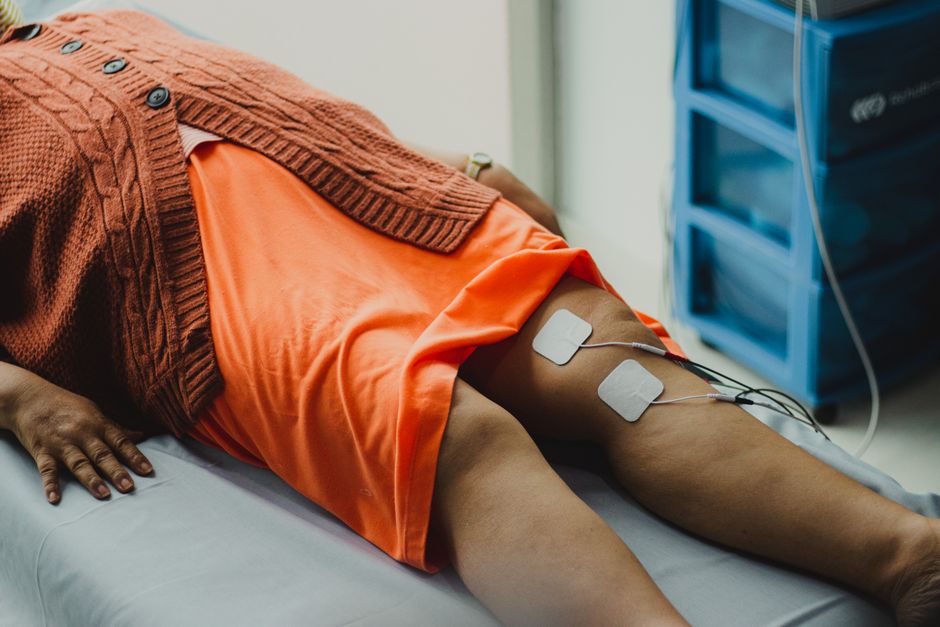
Here’s what’s real: the treatment itself can be uncomfortable or painful. You’ll feel acoustic pulses hitting the injured area, and it’s not a pleasant sensation. Most people describe it as intense but tolerable.
Sessions typically last 15-20 minutes, and you’ll usually need multiple treatments spaced a week or two apart. The number varies depending on your condition, but most people get between 3-6 sessions.
After treatment, you might experience:
- Skin redness or minor bruising
- Temporary soreness (similar to post-workout soreness)
- Swelling that usually subsides in a few hours
- In rare cases, dizziness or vasovagal reactions
Serious side effects are uncommon, but deeper skin injuries are possible if the practitioner isn’t experienced. This is why choosing someone qualified matters.
Most people see improvement within 2-4 weeks after their first session, but full results can take 2-3 months as your tissue continues healing. Pain relief often builds gradually rather than happening overnight.
Shockwave Therapy vs. Other Pain Management Options
How does it stack up against other treatments you might be considering?
Vs. Physical Therapy: PT is crucial, but if PT alone hasn’t worked for months, adding shockwave can accelerate healing. They work well together.
Vs. Injections: Cortisone shots provide temporary relief but don’t address underlying tissue damage. Shockwave actually stimulates healing.
Vs. Surgery: Surgery is invasive and requires recovery time. Shockwave is non-invasive, but only works for certain conditions.
Vs. Rest and NSAIDs: Sometimes rest is needed, but if you’ve been resting for months and still have pain, passive approaches aren’t enough. Shockwave actively promotes healing.
The truth is, there’s no one-size-fits-all answer. Your best option depends on how long you’ve had pain, how severe it is, and what you’ve already tried. That’s why working with experienced practitioners who understand all your options is so important.
Getting Started With Shockwave Therapy in Los Angeles
If you’re ready to explore shockwave therapy for your shoulder or knee pain, the first step is a proper evaluation. A qualified practitioner needs to understand your injury history, examine the affected area, and potentially use imaging to confirm what’s going on.
Not every shoulder or knee problem responds to shockwave therapy. The assessment tells you whether you’re a good candidate and what results you can realistically expect.
When you’re choosing where to get treatment, prioritize clinics that offer a multi-disciplinary approach. The best outcomes happen when shockwave therapy is combined with hands-on care, targeted exercise, and ongoing support. CRM Wellness Center integrates shockwave therapy with chiropractic adjustments, physiotherapy, and other regenerative treatments so you’re not just treating the symptom but addressing what caused the pain in the first place.
Ask potential providers about their experience with your specific condition, how many sessions they typically recommend, and what success rates they’ve seen. A transparent practitioner will give you honest expectations rather than promising miracles.
Questions People Usually Ask About Shockwave Therapy

Is shockwave therapy painful?
The treatment itself is often uncomfortable or painful during the session. You’ll feel intense acoustic pulses in the treatment area. Most people tolerate it, but let your practitioner know if it’s unbearable so they can adjust settings. After treatment, you might have soreness similar to a tough workout, which is normal and usually mild.
How long until I feel results from shockwave therapy?
Some people notice improvement within 1-2 weeks, but most see meaningful changes within 2-4 weeks. Full benefits can take 2-3 months as your tissue continues healing. Be patient with the process. If you’re not seeing any improvement after 3-4 sessions, talk to your practitioner about whether continuing makes sense.
Can shockwave therapy be used for severe arthritis?
Shockwave therapy works best for mild to moderate osteoarthritis. If your knee or shoulder has severe, end-stage arthritis with extensive joint damage, shockwave alone probably won’t be enough. In those cases, a combination approach with other treatments, or in some cases, considering surgical options, might be necessary. Your practitioner can advise based on imaging and your specific situation.
How many shockwave therapy sessions will I need?
Most people need 3-6 sessions spaced 1-2 weeks apart. The exact number depends on your condition, how long you’ve had pain, and how your body responds to treatment. Your practitioner will create a plan based on your initial assessment and then adjust based on your progress. Some people need fewer sessions, others benefit from more.