

Here’s the honest answer: spinal decompression therapy has a 70-80% success rate for patients with L4-L5 disc bulges who haven’t responded to physical therapy. Some clinical studies report even higher numbers, ranging from 71-89%, with about 86% of participants showing immediate symptom relief and 84% remaining pain-free 90 days after completing treatment.
But before you get too excited, let’s talk about what that success actually means and whether it’s right for your specific situation.
What the Research Actually Says About L4-L5 Decompression
Table of Contents
The 70-80% figure isn’t just marketing fluff. It comes from legitimate clinical studies tracking real patients with disc-related pain at the L4-L5 level—the lower lumbar spine where a lot of people struggle.
The key word here is “selected.” Studies show the highest success rates happen when doctors carefully choose the right patients. That means your specific diagnosis, how long you’ve had pain, your age, and other health factors all matter.
Here’s what we know works best:
- You have a clear disc herniation or bulge (confirmed by MRI)
- Your pain shoots down your leg or causes numbness/tingling
- Conservative treatments like physical therapy have genuinely been tried for 4-8 weeks without real improvement
- You haven’t had major spine surgery before
- You’re willing to complete the full treatment course (usually 15-20 sessions)
The patients who complete their decompression programs see the best results. If you bail after five sessions, you won’t get the same outcomes as someone who sticks with it.
Immediate Results vs. Long-Term Pain Relief
One thing that makes decompression interesting is that improvement happens in two phases.
Related: Spinal Decompression vs. Fusion: Long-Term Pros and Cons
Phase one: About 86% of patients in major studies felt immediate symptom relief during or shortly after their decompression sessions. That’s a real “wow, I can breathe again” moment for many people.
Phase two: The stickier part is whether that relief lasts. The research shows 84% of patients were still pain-free 90 days after finishing treatment. That’s the number that actually matters, because what good is feeling better if the pain roars back in two weeks?
This two-stage improvement suggests decompression isn’t just a temporary band-aid. The theory is that the therapy physically reduces pressure on your nerve, lets inflammation settle down, and gives your disc a chance to heal.
Why L4-L5 Is Such a Common Problem (and Why It Responds Well)
The L4-L5 disc sits right at the base of your moveable spine, just above your sacrum. It carries a ton of load every time you bend, lift, or even sit poorly.
Because it’s such a high-stress area, disc bulges happen here more often than almost anywhere else. The good news? That also means it’s well-studied. Doctors know which decompression protocols work best for this specific spot.
A bulge at L4-L5 often irritates the L5 nerve root, which triggers pain, weakness, or tingling down your leg, into your foot, or even your calf. When you can pinpoint exactly which nerve is being squeezed, your chances of successful decompression improve.
What Happens If You’ve Already Tried Physical Therapy
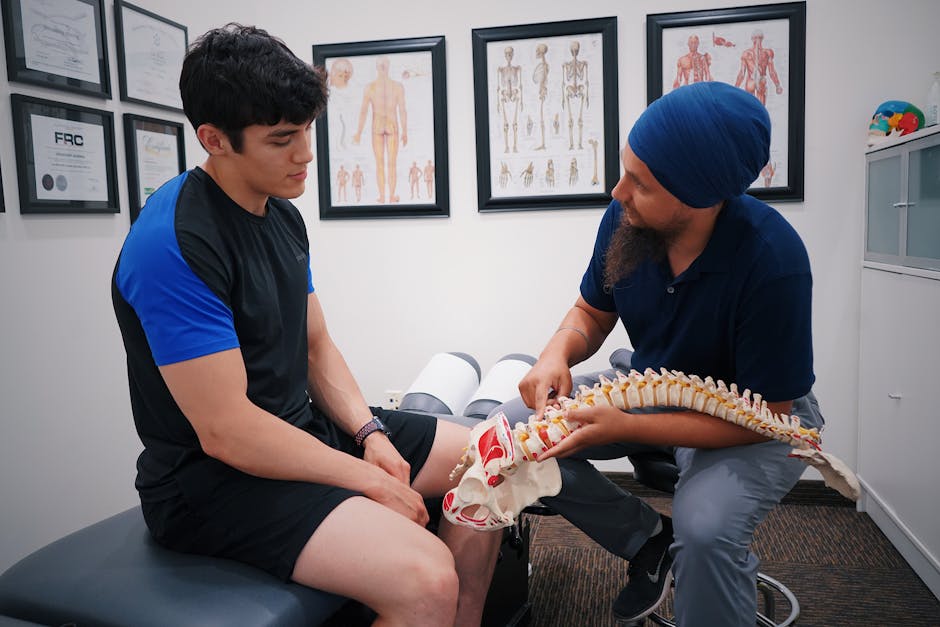
Physical therapy is almost always the first move—and honestly, it works for a lot of people. CRM Wellness Center typically recommends giving physical therapy 4-8 weeks of solid, consistent effort before considering anything more aggressive.
But sometimes your disc just won’t respond. Your PT got you some temporary relief, maybe, but you’re not making real progress. That’s when spinal decompression becomes worth exploring.
Related: Does Spinal Decompression Promote Nutrient Influx Into Degenerative Discs?
Related: Can Spinal Decompression Fix a Bulging Disc? What Works
Related: Best Affordable Spinal Decompression Packages 2026: Top 5 Ranked
Related: Is Non-Surgical Spinal Decompression Safe With Herniated Disc & Stenosis?
Here’s why it might work when PT didn’t:
- Physical therapy strengthens muscles but doesn’t actively reduce disc pressure
- Decompression uses mechanical traction to physically separate the vertebrae and take weight off the disc
- Your disc might need that mechanical unloading before it can actually heal
- Some nerve irritation is too severe for exercise alone to calm down
Think of it this way: PT is like gentle nudging. Decompression is like opening a door just enough to let the swelling down. Both have their place, but they work differently.
How Long Does Spinal Decompression Treatment Take?
Most people do 15-20 sessions over 4-6 weeks. Each session lasts 20-30 minutes, and you’re lying on a special table while the machine gently pulls your spine.
Related: Spinal Decompression Treatment Schedule: 4-6 Week Timeline
It’s not painful. Honestly, many people find it relaxing. You’re just lying there while the machine does the work.
The success rates we mentioned (70-80%) assume you finish the full course. Skipping sessions or stopping early drops your chances significantly.
What About Cost and Insurance?
Decompression therapy is non-invasive and non-surgical, which means it’s usually cheaper than spine surgery and often covered by insurance if your doctor recommends it for a documented disc bulge. Always check with your plan before starting.
Related: Spinal Decompression vs. Microdiscectomy: Which Surgery Is Right?
Many practitioners, including those at CRM Wellness Center, can help you navigate insurance questions or discuss self-pay options if that’s your situation.
Risk Factors That Lower Your Success Rate

Not everyone is a good fit for decompression. Your odds go down if you have:
- Major spine instability or severe arthritis
- Spondylolisthesis (vertebra slipping out of place)
- Metal implants in your spine
- Severe osteoporosis
- Multiple disc bulges at different levels
- Cauda equina syndrome (a surgical emergency)
This is why the “selected patient” language in the research matters so much. Your spine is unique, and what works for 70% of the right patients might not work for someone with different anatomy or history.
What About Long-Term Outcomes?
The research tracks patients out to 90 days reliably. Beyond that, the data gets thinner. But the 84% staying pain-free at the 90-day mark is a solid sign that improvement isn’t just temporary.
Many people report their pain stays gone for months or even years after treatment. Some need occasional touch-up sessions if they have a flare-up. A few unfortunately see pain return.
Again, this comes down to patient selection and compliance. People who follow post-treatment advice (staying active, maintaining good posture, doing maintenance exercises) tend to keep their results longer.
Your Next Steps
If physical therapy has genuinely plateaued and your L4-L5 disc bulge is still causing real problems, a proper evaluation by someone experienced in both manual therapy and decompression is worth your time.
That evaluation should include:
- A detailed history of your symptoms and what you’ve already tried
- Physical examination and neurological testing
- Review of your imaging (MRI, X-rays)
- Honest conversation about realistic expectations for your case
- Comparison of decompression vs. other options like epidural injections or continued therapy
The practitioners at CRM Wellness Center specialize in exactly this type of assessment, combining decompression therapy with other non-surgical approaches to give you the best shot at sustained relief.
Real Talk: Is 70-80% Good Enough for You?
Here’s what you need to decide: Would you take a 70-80% chance at getting your life back from chronic disc pain? Most people would.
Related: Is Soreness After Decompression Therapy Normal? Here’s What to Expect
But also know that success doesn’t always mean 100% pain-free. Sometimes it means going from 9/10 pain to 2/10. Sometimes it means you can finally do activities you’ve missed. Sometimes it means you avoid surgery.
The point is that spinal decompression therapy for a non-responsive L4-L5 disc bulge isn’t a Hail Mary. The evidence is solid. But it’s also not magic, and it’s not guaranteed.
If you’re wondering whether decompression is worth exploring after physical therapy has let you down, the numbers say it’s a reasonable next step—especially if you’ve been thorough with your PT and your symptoms are still significant.
Frequently Asked Questions
Can spinal decompression therapy replace surgery for L4-L5 disc bulges?
Sometimes. For the right patients with the right type of bulge, decompression can resolve symptoms without surgery. But it’s not a guaranteed surgery alternative. If your case is severe, if there’s nerve damage, or if decompression doesn’t work after a full course, surgery might still be necessary. Your spine specialist can tell you whether surgery is truly your only option or whether decompression is worth trying first.
How soon will I feel better after starting decompression?
Some people feel relief within the first few sessions. Others take a few weeks of consistent treatment. Most people start noticing meaningful improvement by week 3-4 if they’re going to respond well. Don’t expect miracles in one session, but pay attention to subtle changes like less radiating pain or better sleep.
What happens if decompression therapy doesn’t work for me?
If you complete a full course and see no improvement, your options include epidural steroid injections, continued manual therapy, or consulting a spine surgeon about whether surgery makes sense. The good news is that trying decompression doesn’t prevent you from trying other treatments later.
Is spinal decompression therapy covered by insurance?
Often yes, if your doctor documents a clear disc bulge and recommends decompression as a conservative treatment. Coverage varies by plan and insurance company. Always check with your provider before starting treatment, and have your practitioner submit documentation showing medical necessity.