

Your body is incredibly smart when it comes to healing. The moment you injure soft tissue—whether it’s a muscle, ligament, or tendon—your body kicks into gear with a predictable, four-stage healing process. Understanding the stages of soft tissue healing helps you know what to expect during recovery and why patience (and the right care) matters so much.
The Four Stages of Soft Tissue Healing
Table of Contents
Soft tissue healing isn’t random. It follows a specific sequence where each stage builds on the last. Your body moves through four distinct phases: bleeding, inflammation, proliferation, and remodeling. Let’s walk through each one.
Stage 1: The Bleeding Phase
When you first injure soft tissue, bleeding starts immediately. Blood vessels in the damaged area rupture, and your blood fills the wound space. This might sound messy, but it’s actually your body’s first smart move.
During this phase, a blood clot forms at the injury site. This clot acts like a temporary bandage, stopping further bleeding and creating a scaffold for healing cells to work with. The bleeding phase is short—it typically lasts only a few minutes to a few hours, depending on how severe the injury is.
Your job here? Rest the area and avoid making it bleed more. Ice and compression help slow bleeding and reduce swelling.
Stage 2: The Inflammation Phase
After bleeding stops, inflammation takes over. This is where a lot of people get confused—they think inflammation is bad and try to shut it down completely. But inflammation is actually a necessary part of healing.
During the inflammation phase, your body sends immune cells (including neutrophils) to the injury site to clean up debris and dead tissue. These cells clear away damaged material and release chemical signals that prepare the area for rebuilding. Swelling, redness, heat, and pain are all signs that this cleanup work is happening.
Related: Soft Tissue Injury Shockwave Therapy: How It Heals
This phase typically lasts several days to a week or two, depending on how bad the injury is. You’ll want to manage swelling—ice, elevation, and gentle movement help—but completely stopping inflammation can actually slow your healing.
Stage 3: The Proliferation Phase
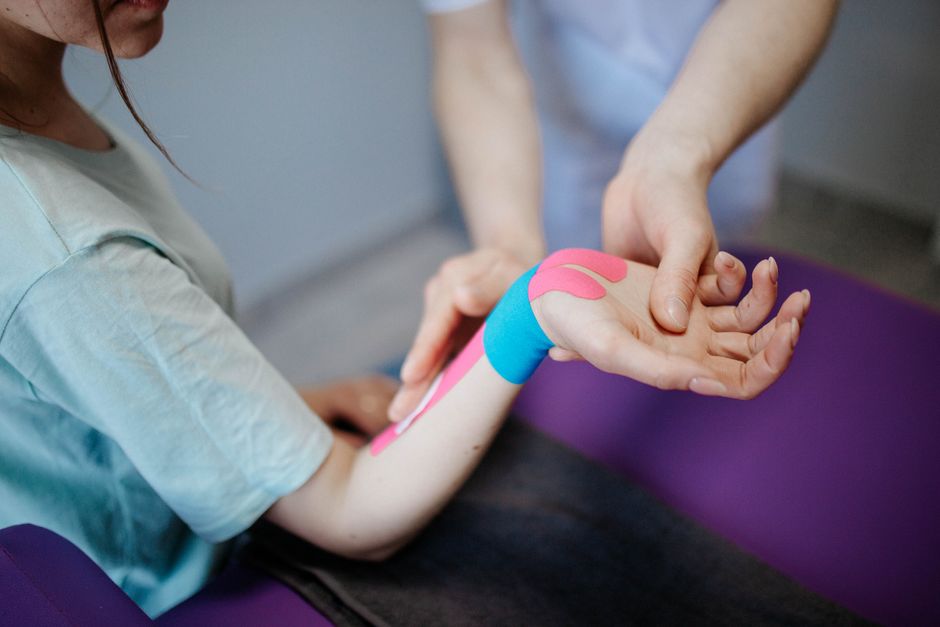
Once the cleanup crew finishes its work, your body gets down to rebuilding. This is the proliferation phase, and it’s where real tissue growth happens.
Fibroblasts (specialized cells) move into the injury site and start producing new tissue. Granulation tissue forms—this is the new, temporary tissue that fills the wound. New blood vessels also grow in, bringing fresh oxygen and nutrients to support the rebuilding process. Your scar tissue begins to form during this stage too.
The proliferation phase is longer than the first two stages. It can last from several weeks to a few months, depending on the size and severity of the injury. This is when you’re no longer in acute crisis mode, but you’re still very much in active recovery.
This is also where CRM Wellness LA can make a real difference. Treatments like physiotherapy, massage therapy, and acupuncture during this phase help support tissue formation and prevent scar tissue from becoming too restrictive.
Stage 4: The Remodeling and Maturation Phase
The final stage is remodeling, also called maturation. Your body doesn’t just build new tissue and call it done—it has to organize that tissue and make it strong enough to handle stress again.
During remodeling, fibroblasts continue working, but now they’re organizing collagen fibers in the new tissue. The tissue becomes denser and stronger. Unnecessary blood vessels are removed, and the tissue starts to take on its final form and function. Scar tissue gets refined so it’s less likely to cause movement problems.
This phase can last for months or even years, depending on how severe the original injury was. Even after you feel back to normal, your tissue is still getting stronger and more resilient. This is why gradual, progressive exercise matters—it helps train your newly healed tissue to handle real-world demands.
Related: Phases of Soft Tissue Healing: What Happens After Injury
How to Support Each Healing Stage
Knowing the stages is one thing. Supporting them is another.
In the bleeding and early inflammation phases: Rest, ice, compression, and elevation are your friends. Keep the area protected and let your body’s natural cleanup process do its job.
Related: Healing Process Soft Tissue: 4 Stages Explained
In the proliferation phase: Gentle, progressive movement helps guide tissue formation. This is when physical therapy really shines. Massage therapy can also help manage scar tissue development and improve circulation to the healing area.
Related: What Is Reconstructive Therapy? A Guide to Healing Damaged Tissue
In the remodeling phase: Gradually increasing activity and strengthening exercises help your new tissue adapt to real-world stress. This is where you move from recovery into maintenance and prevention.
The key is matching your treatment to where you are in the healing timeline. Pushing too hard too early can interrupt the process. Doing too little for too long can leave you with restricted movement or lingering weakness.
Why Timeline Matters

Everyone wants to heal fast. But healing isn’t just about time passing—it’s about your body completing each stage properly. Rushing through phases or skipping key recovery steps can leave you vulnerable to re-injury or chronic problems later.
Your injury’s location, severity, and your overall health all affect how quickly you move through these stages. A minor muscle strain might take weeks to fully remodel. A significant ligament injury might take months or longer.
This is why working with someone who understands the healing process is so valuable. If you’re recovering from an injury and want to make sure you’re supporting your body at each stage, CRM Wellness LA can create a personalized recovery plan that matches where you are in the healing timeline.
Common Mistakes During Soft Tissue Healing
Stopping movement too early: You need some gentle movement during proliferation to guide tissue formation properly. Complete immobilization can actually slow healing.
Related: The Correct Statement About Tissue Repair: A Complete Guide
Related: Tissue Repair and Wound Healing: A Complete Guide
Related: Repair Nerve Damage Naturally: A Complete Guide
Related: Nerve Root Irritation Treatment: Your Complete Guide
Related: Natural Nerve Healing: A Step-by-Step Guide
Pushing too hard too fast: Just because swelling goes down doesn’t mean tissue is fully healed. Jumping back to intense activity during proliferation or early remodeling can re-injure the area.
Ignoring scar tissue: Scar tissue isn’t bad, but if it becomes too restrictive, it can limit your range of motion. Massage therapy and targeted stretching help keep scar tissue flexible.
Neglecting the remodeling phase: Once pain disappears, people often think they’re done healing. But remodeling is still happening. Continuing gentle strengthening during this phase builds tissue resilience and prevents future injury.
When to Seek Professional Support
Mild soft tissue injuries often heal fine with basic home care. But if your injury is moderate to severe, or if you’re not seeing improvement after a few weeks, professional guidance makes a huge difference.
A trained practitioner can assess where you are in the healing timeline, design treatments to support each stage, and help you avoid common pitfalls. This might include physiotherapy to guide tissue formation, chiropractic care to address any alignment issues that could slow healing, massage therapy to manage scar tissue, or acupuncture to reduce inflammation and support circulation.
If you’re dealing with a soft tissue injury in Los Angeles and want expert guidance through recovery, reach out to CRM Wellness LA to discuss your specific situation and create a healing plan tailored to your injury and timeline.
Frequently Asked Questions
How long does soft tissue healing take?
It depends on the injury. Minor sprains or strains might heal in 2-6 weeks. Moderate injuries could take 2-3 months. Severe injuries might require 3-6 months or longer. The remodeling phase can continue for months even after you feel better. Every injury is different, so timeline varies.
Can you speed up soft tissue healing?
You can’t rush the biological process, but you can support it. Proper rest during early stages, appropriate movement during proliferation, targeted therapy, good nutrition, hydration, and managing inflammation all help your body heal efficiently. Pushing too hard or doing too little can slow things down, so working with the process (not against it) is key.
Is scar tissue permanent?
Scar tissue is permanent in the sense that it remains after healing, but it’s not unchangeable. With proper management during the proliferation and remodeling phases—including massage therapy and gradual strengthening—scar tissue can become flexible and strong rather than tight and restrictive.
What’s the difference between inflammation and healing?
They’re not separate things. Inflammation is how healing begins. The swelling, redness, and pain you feel are signs of your body’s immune system cleaning up damage and preparing tissue for repair. Too much inflammation can slow healing, but some inflammation is necessary. The goal is to support it, not eliminate it completely.