

Therapy after carpal tunnel release surgery is one of the most important parts of your recovery. Starting the right exercises at the right time can mean the difference between regaining full hand function or dealing with stiffness and weakness for months. Here’s what you need to know about getting back to normal after surgery.
When Should You Start Therapy After Carpal Tunnel Release?
Table of Contents
Your surgeon will give you specific guidelines, but here’s the general timeline. Physical therapy typically begins within the first week after surgery, though this depends on your individual healing and your surgeon’s protocol.
Related: Nerve Healing Frequency: How Sound Therapy Supports Recovery
Related: Is Soreness After Decompression Therapy Normal? Here’s What to Expect
Related: Sofwave Therapy Before and After Pictures: What to Expect
Once your stitches are removed (usually around 10-14 days post-op), you can often start more active movement. This is a key moment. Early mobilization prevents scar tissue from building up and stiffening your wrist and hand.
Waiting too long to move can actually work against you. Scar tissue loves stillness. The sooner you gently start moving your hand with guidance from a trained therapist, the better your long-term outcome tends to be. If you’re unsure about your specific timeline, ask your orthopedic surgeon before starting any exercises on your own.
Why Wrist Splinting Matters During Recovery
Your wrist splint is your friend during early healing. It protects the surgical site while you’re moving and sleeping, reducing stress on the fresh incision.
You’ll typically wear the splint for several weeks, especially at night. This keeps your wrist in a neutral position and prevents accidental movements that could aggravate the healing tissues. Your therapist will guide you on when and how long to wear it as you progress.
Key Exercises for Hand and Wrist Recovery
Once you get the green light from your surgeon, these movements form the foundation of your therapy program. Start gentle. Pain is a signal to back off.
- Wrist bends: Slowly bend your wrist up and down, just within a pain-free range. This restores basic mobility.
- Finger bends: Gently curl and straighten each finger. Work through all five fingers.
- Thumb bends: Move your thumb across your palm and back out. The thumb often feels stiff after carpal tunnel surgery.
- Tendon gliding: Make different hand shapes (hook fist, full fist, straight fingers) to help tendons move smoothly without adhesions forming.
- Wrist curls: Once you’re further along in recovery, light wrist curls with a small weight or even just your arm can rebuild strength.
- Pronation movements: Rotate your forearm so your palm faces up and down. This helps restore rotational strength.
Your physical therapist will modify these based on where you are in your recovery. Early on, you’re working on gentle mobility. Later, you’ll add resistance and challenge your strength.
What Physical Therapy Accomplishes
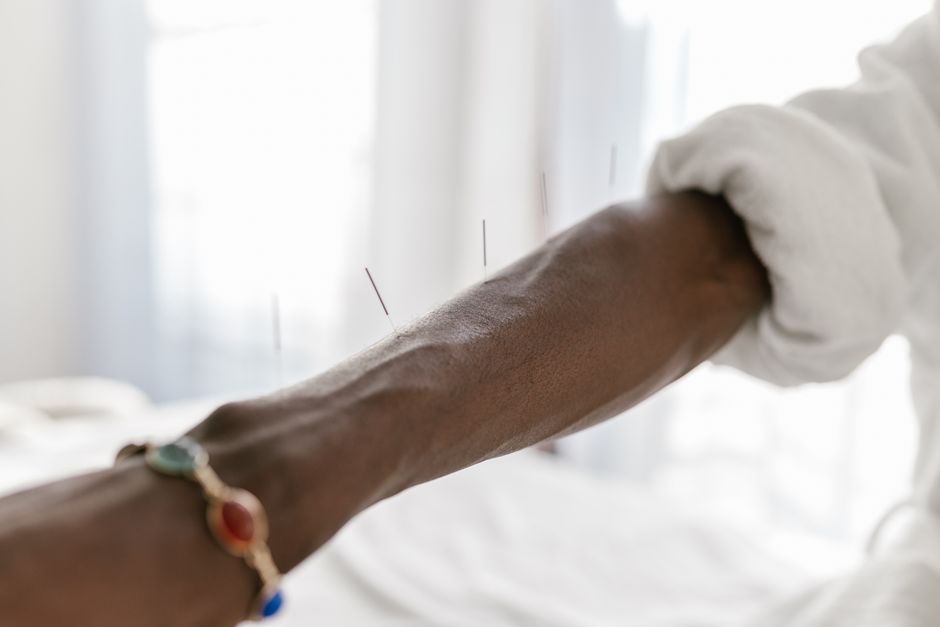
Think of physical therapy as your roadmap back to function. A skilled therapist does more than just show you exercises. They monitor your healing, adjust your program as you progress, and catch problems early.
The goals of post-surgical therapy are clear: restore your wrist and hand to full or near-full function, prevent stiffness and scar tissue buildup, rebuild strength gradually, and help you return to your normal activities without pain or limitations. If you want professional guidance tailored to your surgery and recovery, CRM Wellness LA offers physiotherapy designed for post-surgical rehabilitation.
How Long Does Recovery Typically Take?
Recovery is a gradual process. Many people see significant improvement in the first 4-6 weeks. However, full recovery often takes several months.
In the first 1-2 weeks, you’re focused on wound healing and gentle movement. Weeks 2-4 involve gradually increasing your range of motion. Weeks 4-8 bring more active exercises and light strengthening. Beyond 8 weeks, most people are working on full strength and functional activities.
Everyone heals differently. Age, overall health, how severe your carpal tunnel was, and how well you follow your therapy program all play a role. Patience matters here. Pushing too hard too fast can set you back.
Signs Your Recovery Is on Track
You should notice gradual improvements as weeks pass. Your hand swelling should decrease. Your pain should lessen. You should gain more range of motion week to week.
You should be able to pinch with less pain. Your grip strength should start coming back. Fine motor tasks like writing, typing, or buttoning clothes should feel easier. If you’re not seeing these improvements after several weeks of consistent therapy, talk to your surgeon or therapist. Sometimes recovery takes longer, and sometimes you might benefit from extra support.
Red Flags to Watch
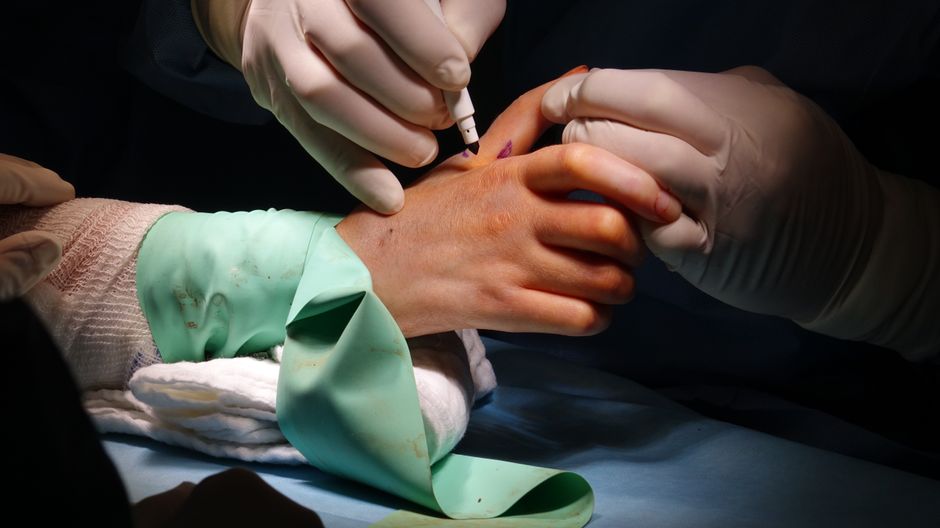
Most recoveries go smoothly, but certain signs mean you should contact your surgeon right away. Increasing pain, swelling that gets worse instead of better, redness or warmth around the incision, drainage from the wound, or loss of sensation that spreads rather than improves all warrant immediate attention.
If your pain gets worse during exercises or your hand feels numb in new areas, stop the exercise and call your care team. Recovery should generally feel like gentle progress, not setbacks.
Getting Professional Support for Your Recovery
Working with a therapist who understands post-surgical recovery makes a real difference. They can personalize your program, monitor your progress, and spot issues early. CRM Wellness LA offers physiotherapy services focused on injury recovery and rehabilitation, including support for people coming back from carpal tunnel surgery. A trained therapist can guide your exercises, adjust your program as you heal, and help you avoid common recovery pitfalls.
Related: Physiotherapy After Car Accident Near Me: Recovery Guide
Related: Sports Injury Physical Therapy in Mid-Wilshire: Your Recovery Guide
How often should I do therapy exercises at home?
Your therapist will give you a specific home program. Most people do gentle exercises several times a day, especially in the first few weeks. Start with just a few repetitions and gradually build up. Consistency matters more than intensity. Doing your exercises daily, even for just 10-15 minutes at a time, will give you better results than sporadic intense sessions.
Can I go back to work after carpal tunnel surgery?
This depends on your job. Light desk work often resumes within 1-2 weeks. Jobs involving heavy gripping, lifting, or repetitive hand use typically need 4-8 weeks or longer. Your surgeon can advise you on work restrictions based on your specific role and healing progress. Don’t rush back to full duties. A gradual return usually prevents re-injury.
What should I avoid during recovery?
Avoid heavy lifting, forceful gripping, and repetitive wrist movements until your therapist clears you. Don’t ignore pain as a signal. Avoid getting your incision wet until it’s fully healed. Skip activities that put stress on your wrist, like sports or heavy exercise, until you’re further along. Your surgeon’s specific restrictions matter most, so follow those closely.
Will I get full function back?
Most people recover very well after carpal tunnel release surgery. Many regain full or nearly full function of their hand and wrist with proper therapy. However, recovery is individual. Factors like age, severity of the original carpal tunnel, and how diligently you follow your therapy program all influence outcomes. Stay consistent with your exercises, listen to your body, and work closely with your therapist and surgeon for the best results.