

Neck nerve damage—also called cervical radiculopathy or a pinched nerve—happens when something compresses the nerves in your cervical spine. The good news? Most cases respond really well to non-surgical treatment if you catch them early and get the right care.
Here’s what you need to know about treating neck nerve damage, and why starting the right way makes all the difference.
Related: What Is Acupuncture? A Beginner’s Guide to Treatment
Related: Natural Nerve Healing: A Step-by-Step Guide
What Causes Neck Nerve Damage in the First Place
Table of Contents
Your neck holds seven vertebrae stacked on top of each other, with discs between them acting like shock absorbers. When a disc herniates, slips, or bulges—or when bone spurs develop from arthritis—they can press directly on the nerves branching out from your spine.
You might feel this as sharp pain down your arm, numbness in your fingers, weakness in your shoulder, or tingling that travels from your neck to your hand. Some people describe it as a burning sensation or a dull ache that just won’t quit.
The nerves getting squeezed can’t communicate properly with your muscles and skin, which is why symptoms show up far from where the actual problem is.
Early Treatment for Neck Nerve Damage: Rest and Activity Modification
The first step is almost always the simplest: stop doing the thing that’s making it worse.
If you sit at a desk all day hunched forward, your neck compression gets worse. If you sleep on a pillow that’s too thick or too thin, you’re putting strain on the nerves every single night. If you carry a heavy bag on one shoulder or sleep in a twisted position, that’s compressing things too.
Your doctor or a physical therapist will help you identify your personal triggers. Avoiding those activities for a few weeks—especially in the acute phase—gives the inflammation around the nerve time to calm down.
This doesn’t mean complete bed rest. Light movement, walking, and gentle stretching are all fine and often helpful. The goal is avoiding anything that pinches the nerve further.
Physical Therapy and Therapeutic Modalities
Once acute inflammation starts to settle, physical therapy becomes your best friend. A skilled therapist will teach you exercises that gently strengthen the muscles supporting your neck, improve your posture, and reduce the pressure on compressed nerves.
Common tools include:
- Heat therapy – relaxes muscles and improves blood flow to the area
- Ice therapy – reduces acute inflammation and swelling
- TENS units – Transcutaneous Electrical Nerve Stimulation sends gentle electrical pulses to interrupt pain signals
- Manual therapy – hands-on techniques to improve mobility and alignment
Physical therapy works because it addresses the root cause: weak muscles, poor posture, and stiffness that allow the nerve compression to happen in the first place. You’re not just treating the symptom; you’re preventing it from coming back.
Related: Nerve Regeneration Shockwave Therapy: How It Works
Related: Collagen Regeneration Therapy: How It Works & Your Options
Related: Collagen Regeneration Treatment: What Works & How It Works
Related: Collagen Stimulation Treatment: How It Works & What to Expect
Related: Deep Tissue Therapy: How It Works & When You Need It
Complementary and Manual Therapies
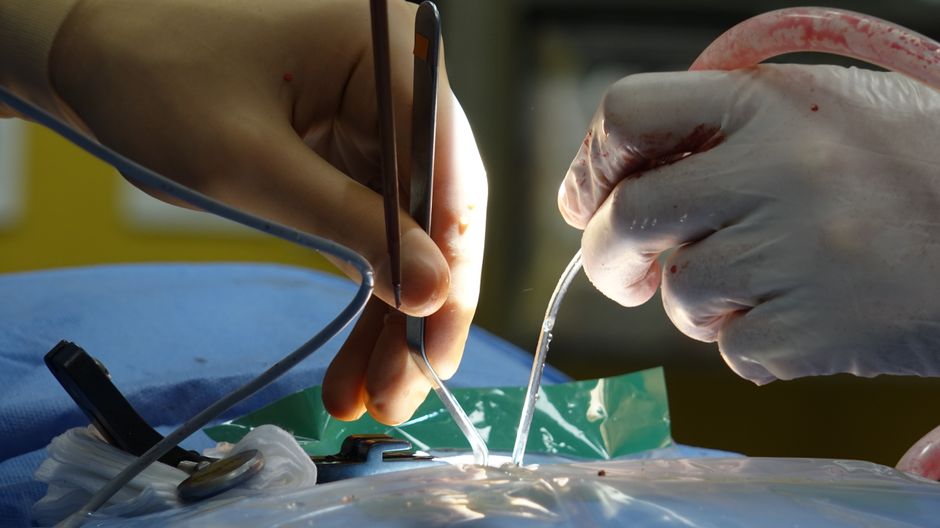
Many people find relief combining physical therapy with other hands-on approaches. CRM Wellness LA specializes in these multimodal treatments for neck nerve issues, recognizing that everyone’s body responds differently.
Chiropractic care focuses on spinal alignment and removing subluxations (misalignments) that can contribute to nerve compression. A skilled chiropractor uses adjustments and mobilizations to improve the position of your vertebrae and take pressure off the nerve.
Acupuncture works by stimulating specific points on your body to reduce inflammation, improve blood flow, and signal your nervous system to dial back pain perception.
Massage therapy releases tension in the muscles around your neck and shoulders. When these muscles relax, they stop pulling your vertebrae out of alignment, which reduces pressure on the nerve. It also improves circulation, helping the nerve heal faster.
The key is finding practitioners who understand nerve compression and don’t just treat the symptom—they address what’s causing the compression in the first place.
Anti-Inflammatory Medications
NSAIDs like ibuprofen and naproxen reduce pain and inflammation, and they’re often helpful in the first few weeks. Anticonvulsant medications can help reduce nerve pain by calming down how aggressively the nerve is firing pain signals.
These aren’t long-term solutions on their own, but they can make physical therapy and other treatments more tolerable by giving you enough pain relief to actually do the work.
Related: Herniated Disc Treatment Los Angeles: What Actually Works
Your doctor might also recommend corticosteroid injections, which deliver anti-inflammatory medication directly to the inflamed area around the nerve. This can provide temporary relief while you work on the underlying issue with therapy and alignment work.
When to Consider More Advanced Treatment
Most neck nerve damage responds to conservative (non-surgical) treatment within 6 to 12 weeks. If you’ve been doing physical therapy, making lifestyle changes, and your symptoms aren’t improving—or they’re getting worse—you might need imaging to see exactly what’s compressing the nerve.
In cases where a large disc herniation or bone spur is severely compressing the nerve, or if you’re losing strength and function, surgical options like disc fusion or disc replacement might be discussed. But this is rarely the first choice.
The fact that you’re reading this means you’re probably in the early or moderate stage, which is when non-surgical treatment works best.
Related: How to Repair Nerves: Treatment Options & Recovery
Building Your Treatment Plan

The most effective approach combines multiple modalities. You’re not choosing between chiropractic care OR physical therapy OR acupuncture—you’re using them together.
Here’s what a solid plan looks like:
- Start with rest and activity modification immediately
- Get evaluated by a physical therapist to understand your specific biomechanics
- Add chiropractic adjustments if alignment is a factor
- Include acupuncture or massage for pain relief and improved circulation
- Take medications as needed for inflammation and pain management
- Commit to home exercises and posture changes long-term
The practitioners you choose matter enormously. You want people who communicate with each other, who understand the full picture of what’s happening in your neck, and who are focused on getting you better—not just keeping you coming back.
If you’re in Los Angeles and dealing with neck nerve damage that’s not improving with rest alone, CRM Wellness LA offers coordinated care across chiropractic, physical therapy, acupuncture, and massage therapy in one location. Having all these specialists working together on your case—rather than seeing different providers who don’t know what the others are doing—often speeds up recovery significantly.
What to Expect From Treatment
Real talk: treating neck nerve damage isn’t a one-appointment fix. You’re looking at weeks of consistent care and home exercises to see significant improvement.
Most people start feeling better within 2 to 4 weeks if they’re doing the right combination of treatments. Noticeable improvement in strength and full pain resolution often takes 8 to 12 weeks or longer, depending on how severe the compression is and how long you’ve had it.
The reason the timeline matters is that it affects how you approach treatment. If you expect instant relief, you’ll get discouraged. If you understand this is a healing process that requires time and effort, you’ll stay committed and actually get results.
Your body is capable of remarkable healing—especially with the right support. Neck nerves can recover, inflammation can subside, and function can return. But it takes the right treatment plan, consistency, and patience.
Long-Term Prevention
Once you’ve recovered, the work isn’t done. Prevention is way easier than treatment.
Keep doing your neck exercises. Fix the postural habits that got you here. Get regular chiropractic maintenance or massage therapy to catch problems early. Pay attention to how you sleep, how you sit, and how you carry stress in your shoulders.
Many people who treat neck nerve damage successfully never have the problem again because they understand what caused it and they change their behavior.
Can neck nerve damage heal on its own?
Sometimes, yes—especially if the compression is mild and you stop doing whatever is making it worse. But “healing on its own” usually takes longer and leaves you at risk of re-injury. Active treatment with physical therapy and manual care speeds up healing significantly and reduces the chance of chronic pain or recurrence.
How long does it take to recover from neck nerve damage?
Most cases improve noticeably within 4 to 8 weeks with consistent treatment. Full recovery typically takes 8 to 12 weeks or longer. Severe cases with significant nerve compression may take several months. The timeline depends on how serious the compression is, how long you’ve had it, and how committed you are to treatment and prevention.
Is surgery necessary for neck nerve damage?
Surgery is rarely necessary if you treat it early and aggressively with non-surgical methods. Most people improve with physical therapy, manual care, and activity modification. Surgery is considered when conservative treatment fails over several months, when you’re losing strength in your arm or hand, or when imaging shows a large herniation causing severe compression.
What’s the difference between rest and inactivity?
Rest means avoiding activities that aggravate your symptoms—not lying in bed. Light movement, walking, and gentle stretching are all fine and often helpful. Complete inactivity can actually slow healing because your muscles weaken and stiffness increases. The goal is active recovery: moving in ways that don’t compress the nerve while gradually rebuilding strength and mobility.