

Neuropathy is nerve damage that happens outside your brain and spinal cord, and it’s way more common than you’d think. If you’re experiencing tingling, numbness, or burning sensations in your hands or feet, you might be dealing with it right now. The good news? It’s treatable, and there are solid non-surgical options that actually work.
What Is Neuropathy?
Table of Contents
Peripheral neuropathy is damage to the nerves that carry messages between your brain, spinal cord, and the rest of your body. When these nerves get damaged, they stop communicating properly, which is why you feel weird sensations or loss of feeling in your extremities.
Think of it like a faulty electrical wire in your house. The current (your nerve signals) can’t flow smoothly anymore, so everything downstream gets confused.
Common Symptoms of Neuropathy
Neuropathy symptoms usually start gradually, and they’re often easy to brush off at first. Here’s what to watch for:
Related: What Is Radiculopathy? Causes, Symptoms & Treatment
- Tingling or prickling sensations, especially in your feet or hands
- Numbness that makes it hard to feel temperature or touch
- Sharp, jabbing, throbbing, or burning pain
- Weakness in your muscles
- Loss of balance or coordination
- In some cases, digestive issues or problems with urination
If you’re noticing any combo of these, don’t ignore it. The earlier you address neuropathy, the better your outcomes tend to be.
What Causes Neuropathy?
Neuropathy has multiple triggers, which is why diagnosis matters. Here are the big ones:
Related: Sharp Heel Pain When Waking Up: Causes & Relief
- Diabetes: High blood sugar damages nerves over time. This is the most common cause.
- Infections: Shingles, HIV, and other infections can trigger nerve damage.
- Injuries: Trauma, repetitive stress, or accidents can damage nerves directly.
- Vitamin deficiencies: Low B12, B6, or folate starve your nerves.
- Autoimmune diseases: Your immune system attacking nerve tissue (like in Guillain-Barre syndrome).
- Medications: Some cancer drugs and antibiotics have neuropathy as a side effect.
- Obesity: Extra weight increases inflammation and puts pressure on nerves.
- Toxin exposure: Chemotherapy, heavy metals, or alcohol abuse.
The cause matters because it shapes your treatment plan. That’s why getting a proper evaluation is the first step.
Related: Treatment for Neck Nerve Damage: What Works
Related: What Is Shockwave Therapy? Complete Guide to Treatment
Non-Surgical Treatment Options That Work

Here’s the thing: you don’t need surgery to feel better. CRM Wellness LA and other integrative pain centers offer several effective therapies that address neuropathy from different angles.
Physical Therapy: Movement is medicine. A skilled physical therapist can help rebuild strength, improve balance, and reduce your pain without drugs. You’ll learn exercises tailored to your specific nerve damage pattern.
Acupuncture: Yes, it actually works for neuropathy. Acupuncture stimulates nerves and increases blood flow to damaged areas, which can reduce pain and restore sensation over time. Research shows acupuncture is especially effective when combined with other therapies.
Massage Therapy: Gentle soft tissue work improves circulation and helps your nerves heal faster. It also breaks the pain-tension cycle that makes neuropathy worse.
Chiropractic Care: If nerve compression is part of your problem, spinal alignment and adjustments can take pressure off affected nerves and improve function.
Regenerative Treatments: Newer options like platelet-rich plasma (PRP) therapy and other regenerative approaches can stimulate your body’s natural healing response at the nerve level.
Related: How to Repair Nerves: Treatment Options & Recovery
Related: Best Calcific Tendonitis Treatment in LA 2026: 5 Top Options Ranked
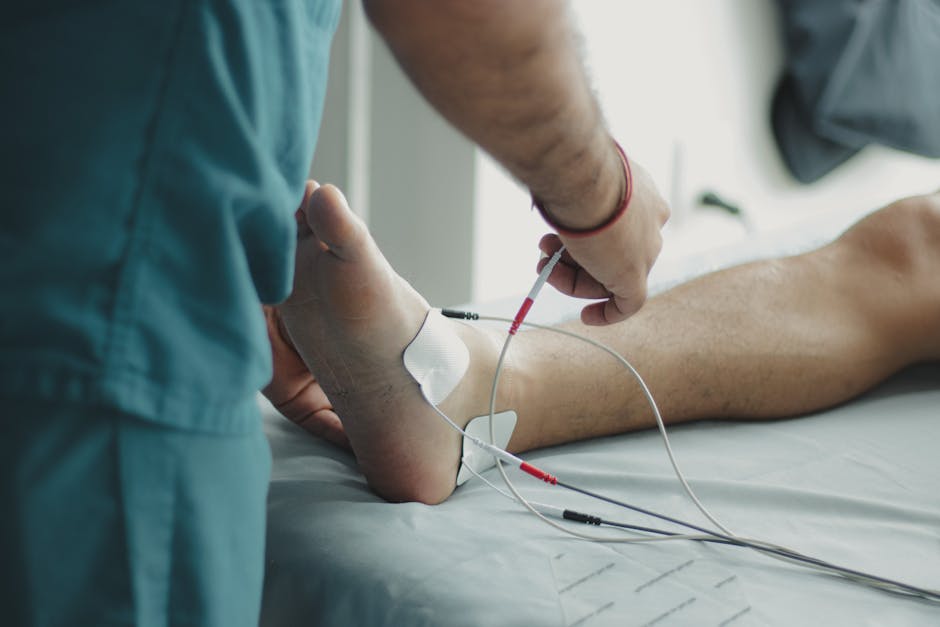
Scrambler Therapy: This is a game-changer for some people. It uses electrical impulses to basically reprogram how your brain receives pain signals, teaching it to ignore the “faulty” messages from damaged nerves.
Daily Management: What You Can Do Right Now
Treatment doesn’t stop when you leave the clinic. Your daily habits matter a lot.
- Inspect your feet daily: If you have diabetes or severe neuropathy, check for cuts, blisters, and sores every single day. Neuropathy numbs you to injury, so you might not notice damage until it’s serious.
- Wear proper footwear: Loose, cushioned shoes protect your feet and improve comfort.
- Manage your weight: Obesity is linked to nerve damage progression. Even modest weight loss can slow or stabilize your symptoms.
- Get good nutrition: B vitamins, antioxidants, and omega-3s support nerve health. Talk to your doctor about supplementing if you’re deficient.
- Move regularly: Gentle exercise improves circulation and nerve function. Walking, swimming, and yoga all help.
- Don’t smoke or drink heavily: Both damage nerves and slow healing.
- Manage stress: Chronic stress makes pain worse. Meditation, breathing exercises, and sleep matter.
When to See a Specialist
If you’re dealing with progressive numbness, pain that’s getting worse, or loss of balance, it’s time to get professional help. A neuropathy evaluation should include blood work, nerve testing, and possibly imaging to identify the underlying cause.
A multidisciplinary team approach gives you the best shot at relief. That’s why CRM Wellness LA combines chiropractic care, physical therapy, acupuncture, and other modalities instead of relying on a single treatment. Different nerve damage patterns respond to different therapies.
The Real Prognosis
Here’s what you need to know: peripheral neuropathy itself doesn’t shorten your lifespan. Most people with properly managed neuropathy live full, normal lives.
Your long-term outlook depends on managing it well and treating the underlying cause. Diabetics who control their blood sugar can slow nerve damage. People who address B vitamin deficiencies recover sensation. Those who move consistently and get the right therapies see real improvements.
The key is starting early and being consistent. Neuropathy gets harder to reverse the longer you wait, so don’t brush off those early tingling sensations.
Getting Started With Treatment
If neuropathy is affecting your quality of life, you have options. The first step is a thorough evaluation to understand what’s causing your nerve damage and how severe it is.
Related: Diabetic Neuropathy Treatment Alternatives: Non-Drug Options
From there, a customized treatment plan can include physical therapy, acupuncture, chiropractic adjustments, massage, and regenerative therapies. Many people see significant improvement within weeks of starting consistent treatment.
If you’re in the Los Angeles area and ready to address your neuropathy without surgery or long-term medication, CRM Wellness LA specializes in exactly this. The team there has years of experience helping people with neuropathic pain, and they’ll build a treatment plan that fits your specific situation.
People Also Ask
Can neuropathy go away on its own?
Sometimes, yes. If neuropathy is caused by a vitamin deficiency or temporary inflammation, correcting the underlying issue can allow nerves to heal. But most chronic neuropathy requires active treatment. The longer you wait, the harder it becomes to reverse. That’s why early intervention matters.
Related: Chronic Achilles Tendonitis Treatment for Triathletes in LA
Is neuropathy permanent?
Not necessarily. It depends on the cause and how quickly you treat it. Nerves can regenerate and heal with proper care, but severe, long-standing damage is trickier to reverse. The goal is to stop progression and reduce your pain, which is absolutely achievable.
What’s the difference between neuropathy and nerve damage?
Neuropathy specifically refers to disease or dysfunction of one or more peripheral nerves, usually causing weakness and numbness. Nerve damage is a broader term that includes injury from trauma, compression, or inflammation. Neuropathy is a type of nerve damage, but not all nerve damage is neuropathy.
Can you get neuropathy from stress?
Stress doesn’t directly cause neuropathy, but it can make symptoms much worse. Chronic stress increases inflammation throughout your body and makes your nervous system more sensitive to pain signals. Managing stress is an important part of controlling neuropathy symptoms.