

Radiculopathy sounds intimidating, but it’s actually pretty straightforward once you break it down. Basically, it’s when a nerve root gets pinched or compressed as it exits your spine. That pinching causes pain, numbness, or weakness that radiates outward along the path of that nerve. If you’ve felt sharp pain shooting down your arm or leg, or tingling in your fingers or toes, you might be dealing with radiculopathy right now.
The good news? It’s one of the most treatable pain conditions, and CRM Wellness LA specializes in helping LA residents get relief without surgery or heavy medication. Let’s walk through what’s actually happening in your body, how to tell if you have it, and what your real options are.
Where Does Radiculopathy Happen?
Table of Contents
Your spine has 33 vertebrae stacked like blocks. Between each block is a disc, and on each side of the spine are small openings called neural foramina. Nerve roots exit through these openings to send signals throughout your body.
When a disc bulges, bone spurs form, or surrounding tissues swell, they crowd that opening and squeeze the nerve root. This can happen in three main areas:
- Cervical radiculopathy (neck): Affects your neck, shoulders, arms, and hands. You might feel pain or numbness in your wrist or fingers.
- Thoracic radiculopathy (midback): Less common, but causes pain around your ribs and chest area.
- Lumbar radiculopathy (lower back): The most common type. Pain radiates into your buttocks, legs, and feet. This is what people often call “sciatica” when the sciatic nerve is involved.
The exact location determines which symptoms you experience and how they spread.
Related: Car Accident Injuries: Types, Symptoms & Recovery
Recognizing Radiculopathy Symptoms
Radiculopathy doesn’t feel like regular back or neck pain. The pain travels. It follows the path of the compressed nerve, which is actually helpful for diagnosis because it gives your doctor a clear map of what’s being pinched.
Common symptoms include:
- Sharp, burning, or electric pain radiating down an arm or leg
- Numbness or tingling (that “pins and needles” feeling)
- Weakness in the affected arm, hand, leg, or foot
- Difficulty gripping objects (with cervical radiculopathy)
- Trouble walking or standing without discomfort (with lumbar radiculopathy)
- Pain that gets worse with certain movements or positions
Your symptoms might come and go, or they could be constant. Some days feel better than others depending on how you move, sleep, or sit.
How Doctors Diagnose Radiculopathy
If you think you have radiculopathy, start with your primary care doctor or a neurologist. They’ll ask detailed questions about your pain and do a physical exam to test strength, sensation, and reflexes.
To confirm diagnosis, they typically order:
- MRI imaging: Shows the spine structure, disc position, and exactly where the nerve is being compressed.
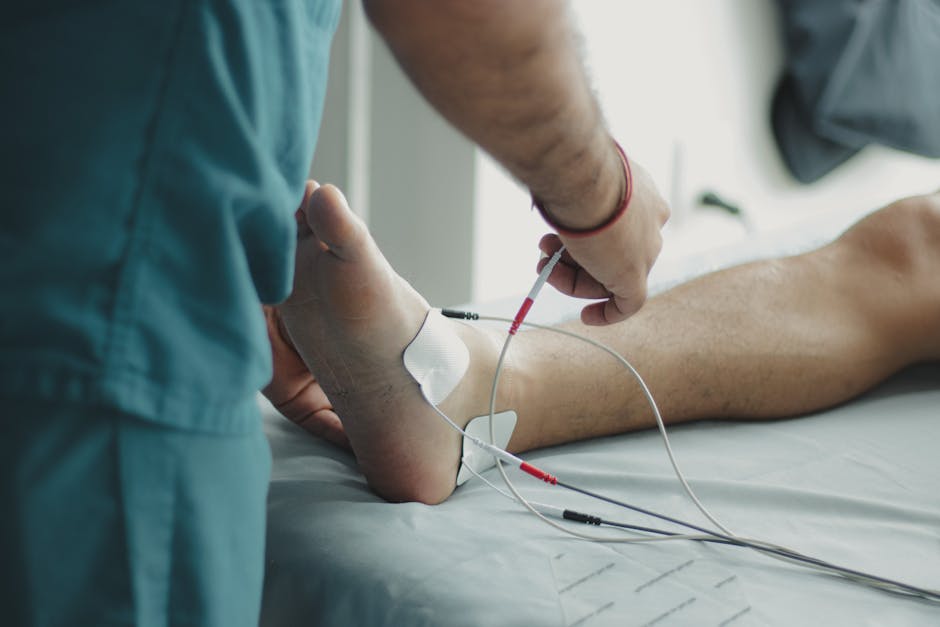
- EMG (Electromyography): Measures how well your nerves and muscles are communicating. This confirms nerve damage and rules out other issues.
These tests aren’t just guesswork. They give your care team concrete data about what’s happening and help create a treatment plan tailored to your specific situation.
Related: Treatment for Neck Nerve Damage: What Works
First-Line Treatment Options That Actually Work

Most cases of radiculopathy respond really well to conservative (non-surgical) treatment. This is where your body can actually heal itself with the right support.
Related: Facet Syndrome: Causes, Symptoms & Non-Surgical Treatment
Rest and activity modification: Sometimes the simplest step is backing off activities that make it worse. Your body needs time to calm down inflammation.
Anti-inflammatory medication: NSAIDs like ibuprofen or naproxen reduce swelling around the nerve. They’re not a permanent fix, but they buy time for physical therapy to work.
Muscle relaxants: These ease muscle spasms that often accompany radiculopathy. Less spasm means less pressure on the nerve.
Physical therapy: This is huge. A skilled therapist teaches you exercises that strengthen the muscles supporting your spine, improve posture, and take pressure off the nerve. Consistency with PT is the difference between full recovery and chronic problems.
Weight management: Extra weight puts constant pressure on your spine and discs. Shedding even 10-15 pounds can reduce compression significantly.
At CRM Wellness LA, we combine physiotherapy, chiropractic care, and targeted massage to address the root cause of your nerve compression, not just mask the symptoms.
When Conservative Treatment Isn’t Enough
If you’ve done physical therapy for 6-8 weeks and symptoms aren’t improving, or if pain is severe and limiting your life, your doctor might suggest additional interventions.
Epidural steroid injections: A steroid is injected into the space around the nerve root to reduce inflammation and pain. This often gives you significant relief for weeks or months, which allows physical therapy to be more effective.
Regenerative treatments: Platelet-rich plasma (PRP) and other regenerative therapies are increasingly used to promote healing in damaged discs and tissues. CRM Wellness LA offers these cutting-edge options for patients ready to move beyond basic conservative care.
Surgery: This is typically a last resort. It’s considered when other treatments fail over 6-12 months and your quality of life is severely impacted. Most people never need it.
Related: How to Repair Nerves: Treatment Options & Recovery
Related: What Is Neuropathy? Symptoms, Causes & Treatment Options
Red Flags That Need Immediate Attention
Most radiculopathy is manageable, but a few symptoms mean you should see a doctor right away:
- Sudden severe pain with fever (possible infection)
- Loss of bowel or bladder control
- Severe weakness that’s getting worse fast
- Progressive numbness spreading to both legs
- Pain following a major injury or trauma
These can indicate more serious spinal issues that need immediate evaluation.
Your Recovery Plan Starts Here
Radiculopathy is frustrating, but you don’t have to live with it. The path forward usually starts with diagnosis, moves into conservative treatment, and evolves based on your response.
According to the National Institute of Neurological Disorders and Stroke (NINDS), most people with radiculopathy improve with nonsurgical treatment within a few weeks to months. The key is staying consistent with physical therapy and being patient with the healing process.
If you’re in LA and dealing with radiculopathy, the team at CRM Wellness LA can work with your neurologist or primary care doctor to create a coordinated treatment plan. We handle the physical therapy, chiropractic adjustments, massage, and regenerative options that help your nerve decompress and your body heal naturally.
People Also Ask
Can radiculopathy go away on its own?
Yes, many cases improve on their own with rest and time, especially mild cases. However, you’ll heal faster and more completely with physical therapy and targeted care. Waiting around hoping it goes away often leads to chronic problems and muscle weakness. Getting treatment now prevents long-term issues.
Related: Chronic Achilles Tendonitis Treatment for Triathletes in LA
Is radiculopathy the same as a pinched nerve?
Basically yes. A pinched nerve is the common term, and radiculopathy is the medical term for it. Both describe nerve compression. The difference is that radiculopathy specifically refers to compression at the nerve root as it exits the spine, whereas a pinched nerve can happen anywhere along the nerve’s path.
How long does radiculopathy last?
With proper treatment, most people see improvement within 4-8 weeks. Full recovery often takes 8-12 weeks. Some cases resolve faster, others take longer depending on severity, your age, overall health, and how consistent you are with treatment. Patience is part of the healing process.
Can you work with radiculopathy?
It depends on the severity and your job. If you have a desk job, you might manage with modifications like better posture and frequent breaks. Physical labor, driving long distances, or jobs requiring lifting can be really difficult. Talk to your doctor about temporary restrictions while you heal. Many people work modified schedules during treatment.