

Shockwave therapy is a non-invasive treatment that uses acoustic waves to stimulate your body’s natural healing response. Instead of going under the knife or relying on injections, shockwave therapy kickstarts the healing process by targeting damaged tissue and encouraging blood flow to the injured area. If you’re dealing with chronic pain, tendon issues, or recovery from an injury, this might be a game-changer worth exploring.
How Shockwave Therapy Actually Works
Table of Contents
The science is pretty straightforward. During a shockwave therapy session, a specialized device delivers high-energy acoustic waves to the area of your body that needs healing. These waves create micro-trauma at the cellular level, which sounds scary but is actually therapeutic. Your body responds by increasing blood flow, reducing inflammation, and activating its own repair mechanisms.
Think of it like this: the shockwaves essentially “wake up” your healing system and tell it to get to work. It’s a non-invasive alternative to surgery or steroid injections, which is why so many people prefer it. CRM Wellness LA uses modern shockwave equipment with multiple treatment heads designed to address different body areas accurately and safely.
Related: Shockwave Treatment for Heel Spurs Near Los Angeles: Non-Surgical Relief
What Conditions Can Shockwave Therapy Treat?
Shockwave therapy has proven effective for a surprising range of injuries and chronic pain issues. It’s particularly good for:
Related: What to Expect During Shockwave Therapy in Los Angeles
Related: Shockwave Therapy for Tendonitis Relief in Los Angeles
Related: Cortisone Injection vs. Shockwave Therapy for Tendonitis
Related: Can Shockwave Therapy Break Up Scar Tissue? Yes—Here’s How
Related: Chronic Tendonitis Shockwave Treatment: Does It Work?
Related: Best Calcific Tendonitis Treatment in LA 2026: 5 Top Options Ranked
Related: Chronic Achilles Tendonitis Treatment for Triathletes in LA
- Plantar fasciitis and heel pain
- Tennis elbow and golfer’s elbow
- Shoulder pain and rotator cuff issues
- Achilles tendonitis
- Jumper’s knee and patellar tendonitis
- Chronic back and neck pain
- Wrist and hand injuries
- Wound healing and tissue regeneration
The versatility is one reason shockwave therapy has gained so much traction in sports medicine and pain management clinics. According to research published in peer-reviewed orthopedic journals, the treatment shows strong clinical evidence for pain reduction and tissue recovery across multiple body areas.
Is Shockwave Therapy Safe?
Yes, when delivered by trained clinicians, shockwave therapy is considered safe and well-tolerated. It’s non-invasive, which means there’s no surgery, no incisions, and no need for recovery time like you’d have after a procedure.
Related: Physiotherapy After Car Accident Near Me: Recovery Guide
You might experience some mild discomfort during the session or slight soreness afterward, but serious side effects are rare. Because it doesn’t involve needles, injections, or anesthesia, there’s significantly less risk compared to surgical options. That said, it’s important to work with qualified practitioners who understand the proper protocols and equipment settings for your specific condition.
What Happens During a Shockwave Therapy Session?

A typical session takes about 15-30 minutes, depending on the area being treated. Here’s what to expect:
- You’ll sit or lie down in a comfortable position with the injured area exposed.
- The clinician applies gel to the skin (similar to an ultrasound) to help transmit the acoustic waves.
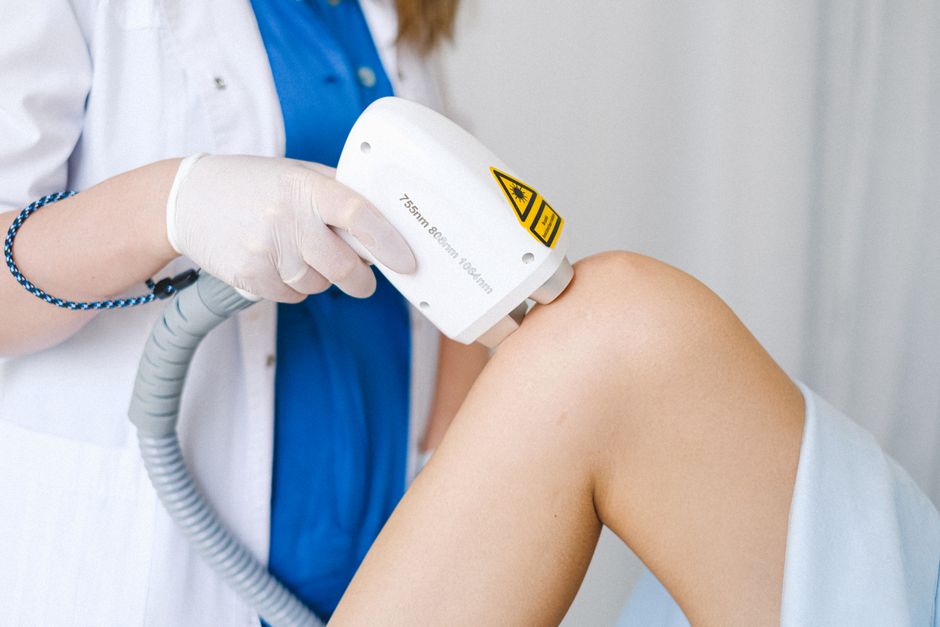
- The shockwave device is placed against your skin and delivers pulses of energy to the target area.
- You’ll feel tapping or pulsing sensations, which is completely normal.
- Once the session is done, you can usually walk out and resume normal activities.
Most people need multiple sessions to see the best results. Your treatment plan depends on your specific condition and how your body responds. If you’re considering shockwave therapy, CRM Wellness LA can help you figure out the right number of sessions and treatment schedule for your needs.
Related: How Many Shockwave Therapy Sessions Do I Need?
Shockwave Therapy vs. Other Treatment Options
So how does shockwave therapy stack up against other approaches? Here’s the honest comparison:
Related: What Is Neuropathy? Symptoms, Causes & Treatment Options
Related: What Is Radiculopathy? Causes, Symptoms & Treatment
Related: Diabetic Neuropathy Treatment Alternatives: Non-Drug Options
vs. Surgery: Shockwave therapy is non-invasive, has no recovery time, and costs far less. Surgery is more invasive and comes with real risks and downtime.
vs. Steroid Injections: Shockwave therapy stimulates your body’s own healing instead of just numbing pain temporarily. Injections can provide quick relief but don’t address the underlying problem long-term.
Related: Frozen Shoulder Healing with Shockwave Therapy in Los Angeles
Related: Shockwave Therapy for Tennis Elbow in Los Angeles
Related: Shockwave Therapy for Plantar Fasciitis Near Los Angeles
Related: Best Shockwave Therapy in Los Angeles 2026: Top Providers Ranked
vs. Physical Therapy Alone: Physical therapy is excellent and often works best when combined with shockwave therapy. The waves accelerate healing, which means PT becomes more effective.
Related: Nerve Regeneration Shockwave Therapy: How It Works
vs. Rest and Ice: Resting injured tissue can be necessary, but it doesn’t actively promote healing like shockwave therapy does.
The bottom line: shockwave therapy fills a gap between conservative care and surgery. It’s active healing, not passive waiting.
What Research Says About Shockwave Therapy Effectiveness
The clinical evidence supporting shockwave therapy is expanding. Research published through the National Institutes of Health shows consistent positive outcomes for pain reduction and tissue repair across multiple conditions.
Studies document that shockwave therapy works particularly well for chronic conditions that have resisted other treatments. The non-invasive nature combined with solid clinical results is why major hospitals and sports medicine centers now offer it as a standard treatment option.
One key finding: results tend to improve over time. You might notice some improvement after the first session, but the real benefits often show up a few weeks after treatment as your body completes the healing process.
Who Should Consider Shockwave Therapy?
You’re a good candidate for shockwave therapy if you:
- Have chronic pain that hasn’t improved with rest and stretching
- Want to avoid surgery or steroid injections
- Are recovering from an acute injury or sports injury
- Are dealing with tendon or ligament problems
- Want a treatment that works with your body’s natural healing ability
However, shockwave therapy isn’t right for everyone. Pregnant women, people with certain blood clotting disorders, or those with infected tissue shouldn’t have the treatment. A qualified clinician at CRM Wellness LA can evaluate your specific situation and let you know if shockwave therapy makes sense for you.
The Recovery and Results Timeline
One of the best parts about shockwave therapy? There’s minimal recovery. You can usually return to normal activities immediately after your session.
Related: When Do You Feel Relief After Shockwave Therapy?
Most people start noticing real improvements within 2-4 weeks as the healing process accelerates. Full results typically show up 6-12 weeks after your last session, as your tissue continues to repair and strengthen itself.
The timeline varies based on the severity of your condition and how many sessions you need. Your clinician will give you a personalized expectation based on your injury.
Related: Personal Injury Rehabilitation Services in LA: A Complete Guide
Related: Stages of Soft Tissue Healing: A Complete Guide
Related: Repair Nerve Damage Naturally: A Complete Guide
Getting Started With Shockwave Therapy in Los Angeles
If you’re interested in exploring shockwave therapy, the first step is a consultation with an experienced practitioner. They’ll evaluate your condition, discuss your goals, and determine if shockwave therapy is the right choice for you or if combining it with other treatments like physical therapy, chiropractic care, or massage therapy makes more sense.
The best approach to pain management is often multi-faceted. Many people see the best results when shockwave therapy is paired with rehabilitation exercises and other hands-on treatments that address the root cause of their pain.
Common Questions About Shockwave Therapy
Does shockwave therapy hurt?
You’ll feel tapping or pulsing sensations during treatment, but it shouldn’t be painful. Some people experience mild discomfort, but the clinician can adjust the intensity. Think of it as uncomfortable rather than painful, kind of like a deep massage in a concentrated area.
How many sessions do I need?
Most people benefit from 3-6 sessions, spaced a week or two apart. Your specific number depends on your condition and how your body responds. Your practitioner will discuss this with you upfront.
Can shockwave therapy be combined with other treatments?
Absolutely. In fact, combining shockwave therapy with physical therapy, chiropractic adjustments, or massage therapy often produces better results than any single treatment alone. Your body heals best with a comprehensive approach.
How long do results last?
Results from shockwave therapy can last months or even years because you’re stimulating real tissue healing, not just masking symptoms. However, if you return to the same activities that caused the injury without changing your habits or strengthening weak areas, problems can recur.